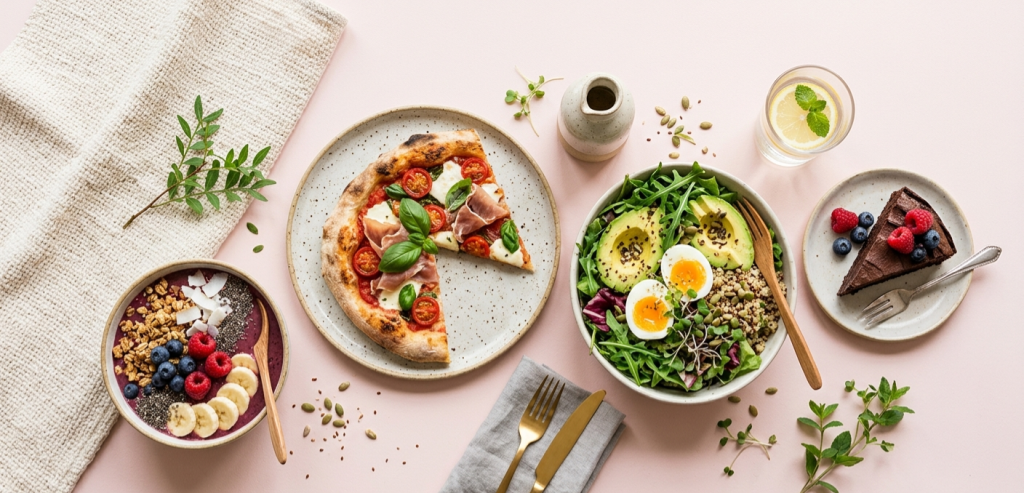
In a world full of strict diets, calorie-counting apps, and “forbidden foods,” it’s easy to feel like enjoying your favorite meals comes at a cost. Many people believe that losing weight or eating healthy means giving up everything they love—pizza, desserts, creamy curries, or even a simple cup of chai with sugar. But what if you didn’t have to choose between joy and health?
The truth is, sustainable wellness isn’t about restriction—it’s about smarter choices. You can absolutely eat what you love while still reducing calories. The key lies in balance, portion awareness, and small, strategic swaps that don’t compromise taste.
Let’s explore how you can cut calories without cutting joy.
1. Rethink, Don’t Remove
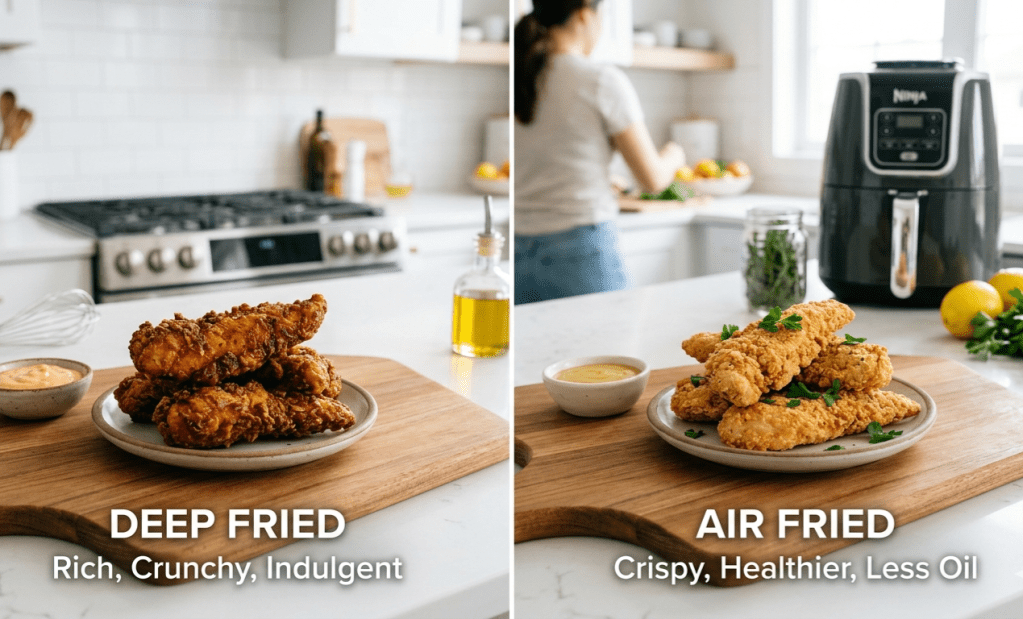
The biggest mistake people make is completely eliminating their favorite foods. This often leads to cravings, frustration, and eventually binge eating. Instead of saying “I can’t eat this,” shift your mindset to “How can I make this better?”
For example:
• Love fried food? Try air-frying instead of deep frying.
• Enjoy creamy pasta? Use a mix of milk and a little cream instead of full cream.
• Craving sweets? Reduce sugar slightly or use natural sweetness like fruits.
You’re not removing joy—you’re just modifying it.
2. Portion Control is Powerful
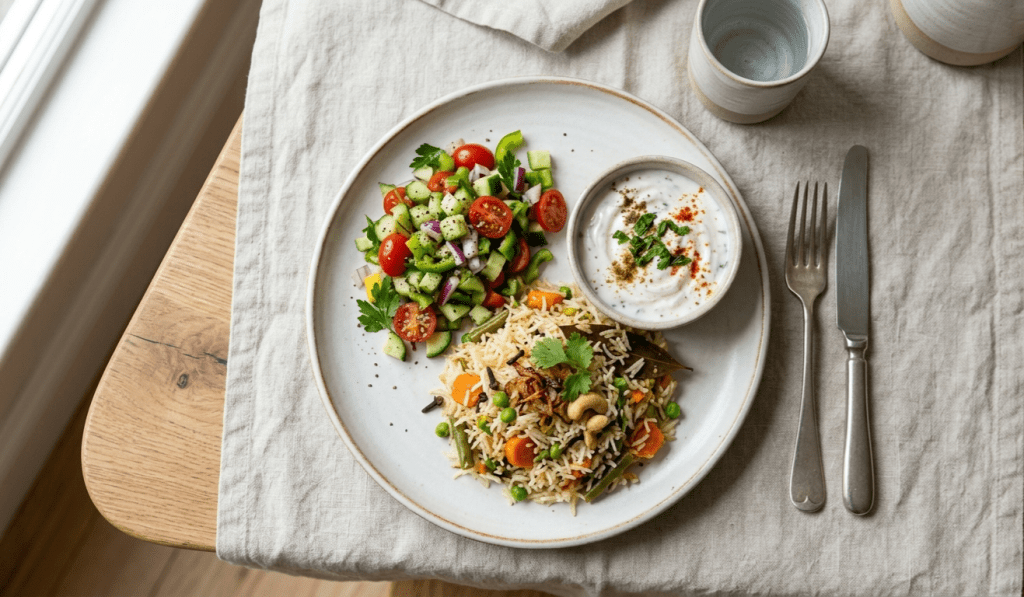
You don’t have to eat less of everything—just be mindful of how much you’re eating.
A simple trick:
• Eat your favorite food, but reduce the portion by 20–30%.
• Pair it with something healthy like salad, vegetables, or protein.
For instance, instead of a full plate of biryani, take a smaller portion and add a bowl of raita or salad. You’ll still feel satisfied but consume fewer calories.
3. Upgrade Your Ingredients
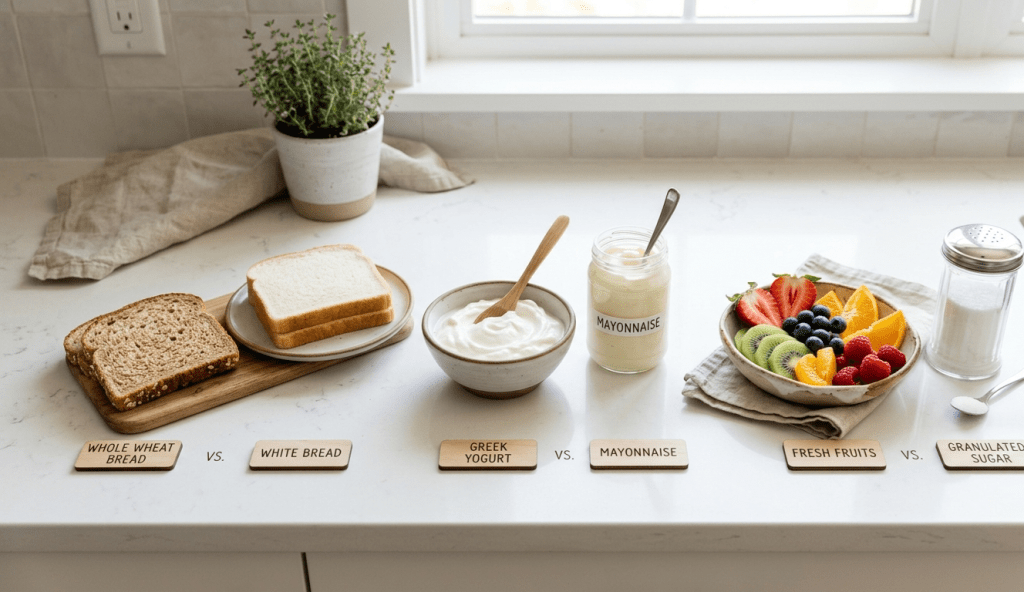
Sometimes, the calorie load comes from specific ingredients rather than the dish itself.
Smart swaps can make a big difference:
• Use whole wheat instead of refined flour
• Replace mayonnaise with hung curd or Greek yogurt
• Switch from sugary drinks to lemon water or infused water
• Use less oil by measuring instead of pouring directly
These changes are almost invisible in taste but impactful for your health.
4. Cook Smarter, Not Harder

The cooking method matters as much as the ingredients.
Try these techniques:
• Grill, bake, steam, or sauté instead of deep frying
• Use non-stick pans to reduce oil usage
• Add spices and herbs for flavor instead of excess butter or cream
Indian cooking, for example, is rich in spices that naturally enhance taste—use that to your advantage.
5. Don’t Drink Your Calories

Beverages are often hidden sources of calories.
Think about it:
• Sugary chai, coffee with cream, soft drinks, and packaged juices can add hundreds of calories daily.
Instead:
• Reduce sugar gradually in tea/coffee
• Choose black coffee or green tea occasionally
• Stay hydrated with water—it helps control appetite too
This single habit can make a noticeable difference.
6. Eat Mindfully
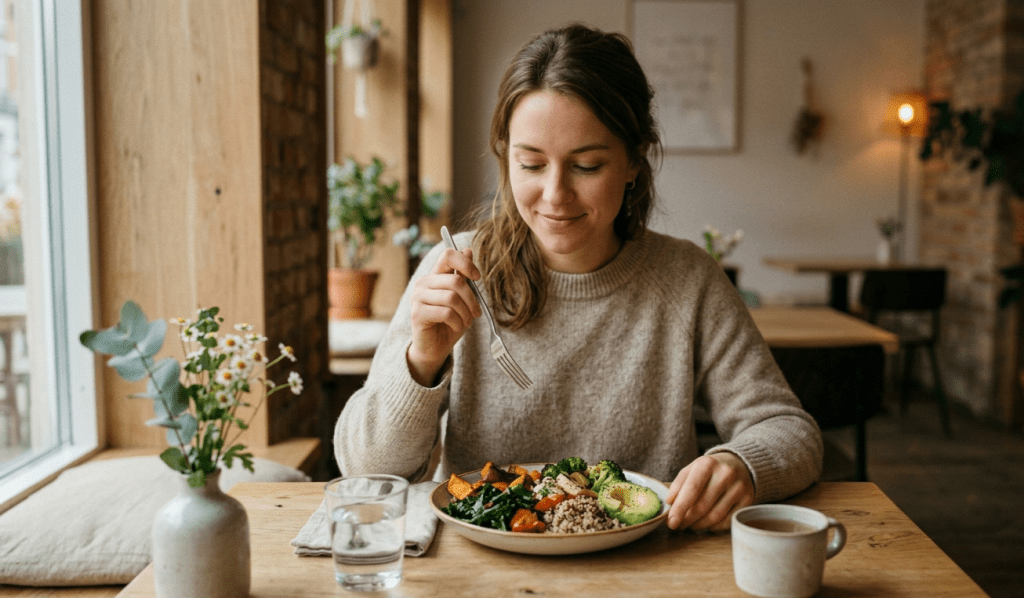
How you eat is just as important as what you eat.
When you eat mindlessly—while scrolling on your phone or watching TV—you tend to overeat without realizing it.
Practice mindful eating:
• Sit down and focus on your food
• Chew slowly
• Enjoy each bite
You’ll feel satisfied with less food, and the experience becomes more enjoyable.
7. Balance Your Plate
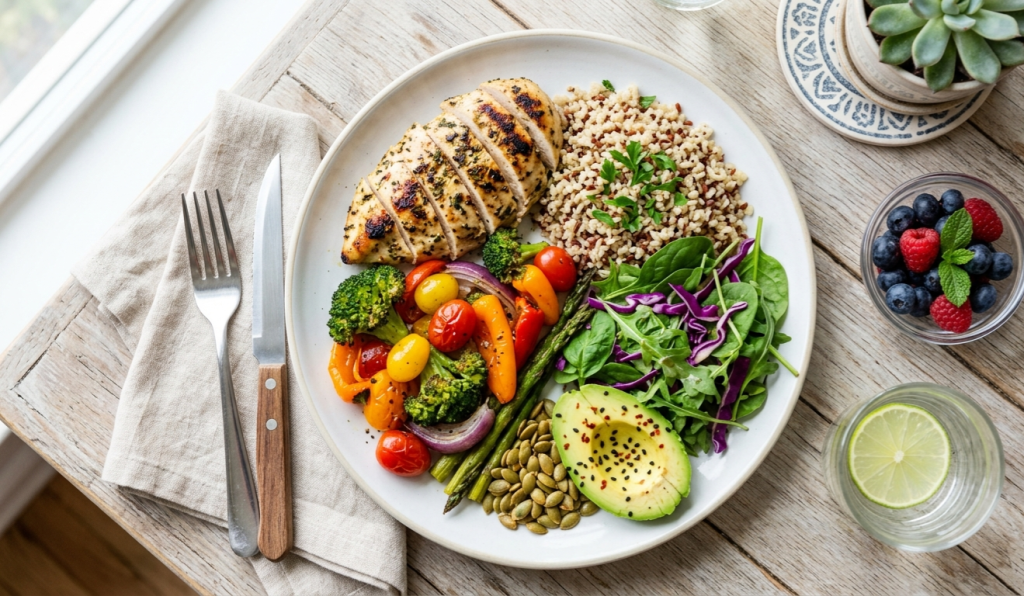
Instead of focusing only on calories, focus on balance.
A good plate includes:
• Protein (dal, paneer, eggs, chicken)
• Fiber (vegetables, fruits, whole grains)
• Healthy fats (nuts, seeds)
When your meals are balanced, you feel full longer, reducing unnecessary snacking.
8. Plan, Don’t Restrict
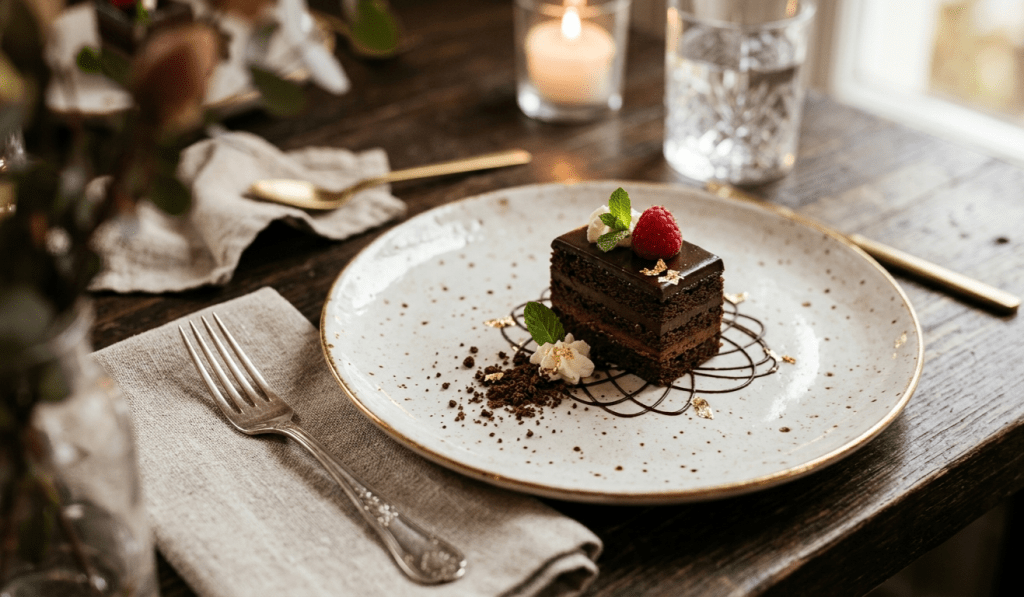
If you love desserts, include them in your plan instead of avoiding them completely.
For example:
• Have a small dessert after lunch instead of late-night cravings
• Choose quality over quantity—one good piece of chocolate instead of multiple low-quality sweets
Planning prevents guilt and helps you stay consistent.
9. Understand Emotional Eating
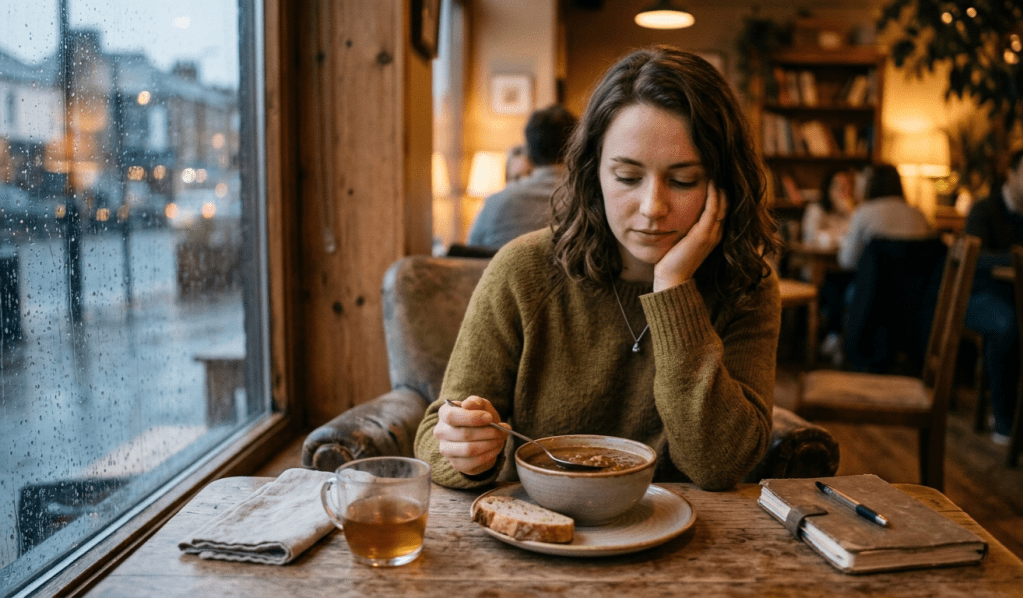
Sometimes, we eat not because we’re hungry, but because we’re stressed, bored, or emotional.
Before reaching for food, ask yourself: “Am I actually hungry, or just feeling something?”
If it’s emotional:
• Go for a walk
• Talk to someone
• Engage in a hobby
Food should bring joy, not act as an emotional escape.
10. Consistency Over Perfection
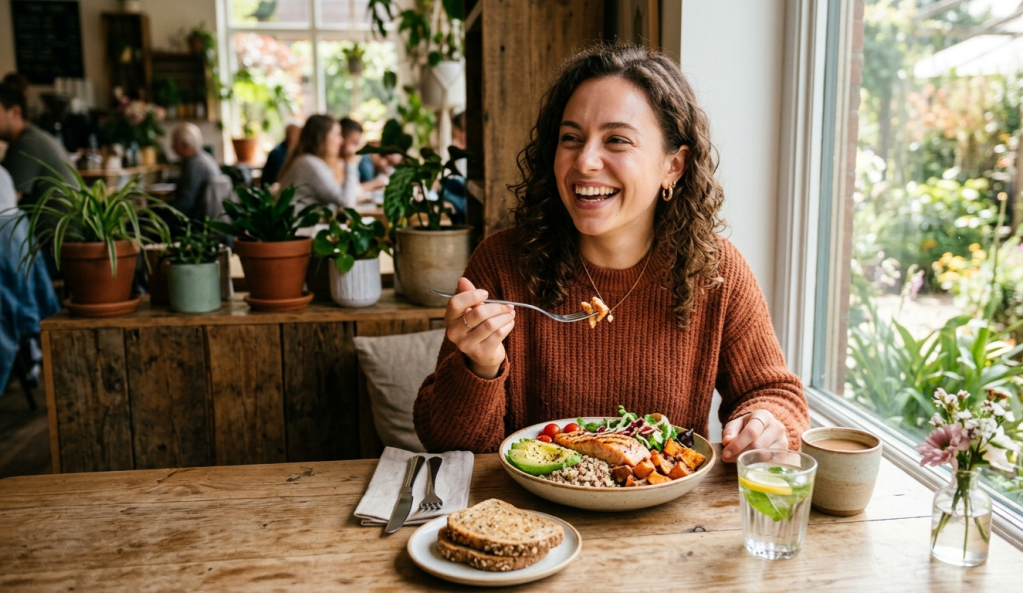
You don’t need to eat perfectly every day.
If you had a high-calorie meal, don’t punish yourself. Just get back to your routine in the next meal.
Health is built over time, not in one day.
Final Thoughts
Cutting calories doesn’t mean cutting happiness. Food is not just fuel—it’s culture, comfort, and connection. The goal isn’t to eliminate your favorite meals but to build a healthier relationship with them.
When you start making small, realistic changes, you’ll notice something powerful—you don’t feel deprived. Instead, you feel in control.
And that’s where true wellness begins.
So go ahead—eat what you love. Just do it smarter.
Let’s make this fun 💬
Drop your favorite “unhealthy” food in the comments—
and I’ll reply with a healthier, lower-calorie version of it 👀✨
(No more giving up your favorites!)
 Holistic Living with Dr.Deepti
Leave a comment