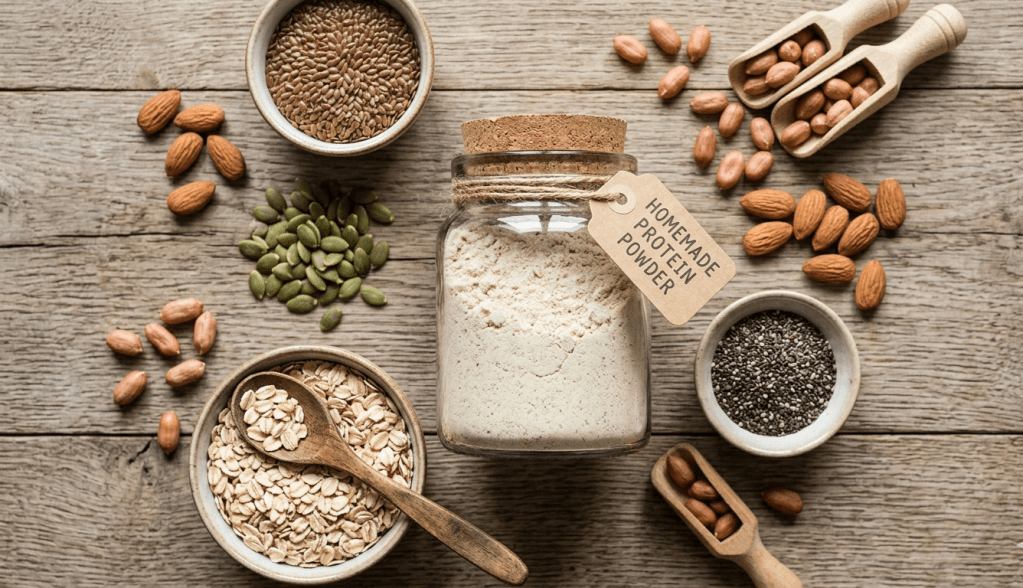
Why Choose Homemade Protein Powder?
https://thewellnessstudio.gumroad.com/l/etowkn

In today’s fitness-conscious world, protein powders have become a staple for many. However, most store-bought options are often expensive, highly processed, and may contain artificial flavors, preservatives, or added sugars. That’s where homemade protein powder becomes a game-changer.
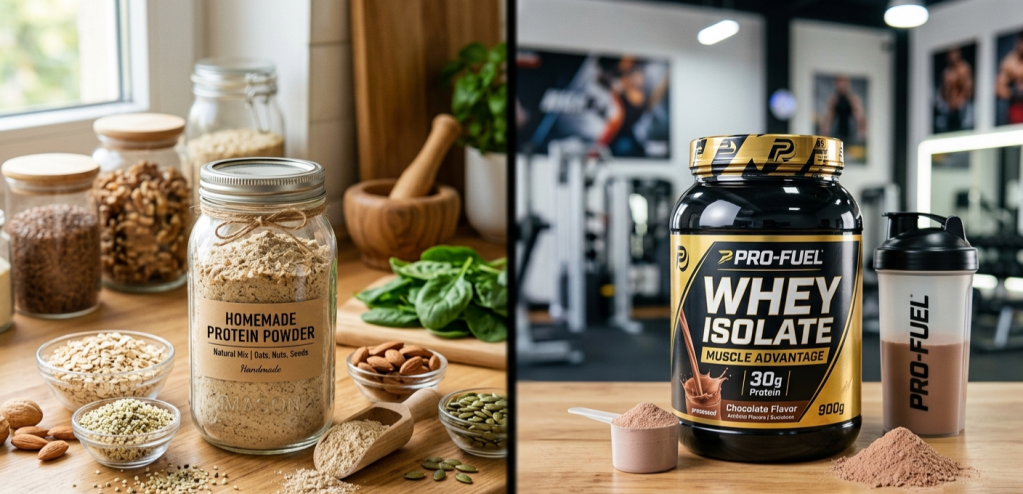
Making your own protein powder at home is not only cost-effective but also gives you complete control over the ingredients. You can tailor it according to your dietary preferences, whether you want it vegan, gluten-free, or rich in specific nutrients. Plus, it’s free from unwanted additives—making it a cleaner, healthier choice.
Benefits of Homemade Protein Powder
• Natural Ingredients: No chemicals, preservatives, or artificial sweeteners
• Customizable: Adjust ingredients based on your health goals
• Budget-Friendly: Much cheaper than branded protein powders
• Nutrient-Dense: Packed with fiber, healthy fats, and micronutrients
• Digestive-Friendly: Easier on the gut compared to synthetic powders
Key Ingredients and Their Benefits
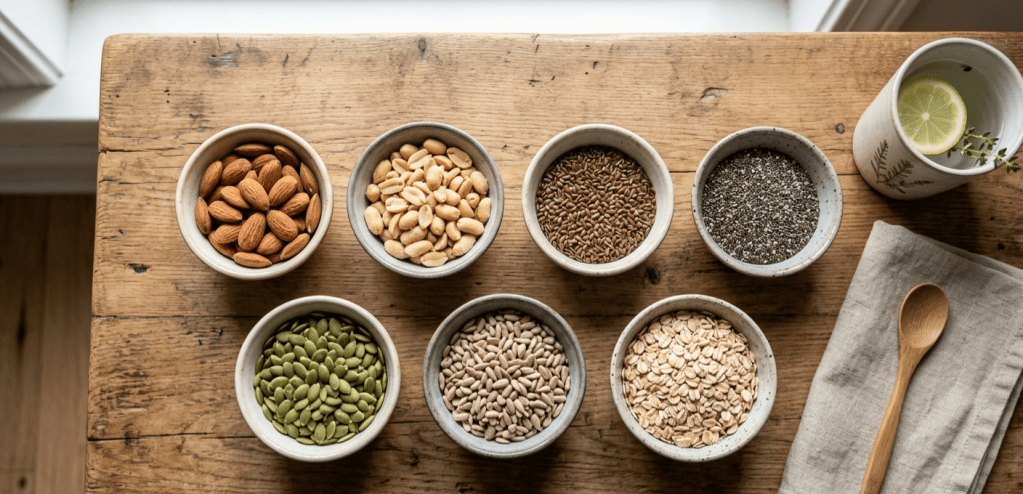
Here are some common ingredients used in homemade protein powder:
1. Nuts (Almonds, Peanuts, Cashews)
• Rich in protein and healthy fats
• Provide sustained energy
• Add a creamy texture
2. Seeds (Flaxseeds, Chia Seeds, Pumpkin Seeds, Sunflower Seeds)
• High in omega-3 fatty acids
• Excellent source of plant protein
• Boost digestion and metabolism
3. Roasted Chana (Bengal Gram)
• One of the best plant-based protein sources
• High in fiber and keeps you full longer
4. Oats
• Adds complex carbohydrates
• Helps in slow energy release
• Good for weight management
5. Milk Powder (Optional)
• Enhances protein content
• Adds taste and creaminess
Homemade Protein Powder Recipe
Ingredients:
• 1 cup almonds
• 1 cup peanuts (roasted)
• ½ cup roasted chana
• 2 tbsp flaxseeds
• 2 tbsp pumpkin seeds
• 2 tbsp sunflower seeds
• 2 tbsp chia seeds
• ½ cup oats
• 2 tbsp milk powder (optional)
Preparation Steps:
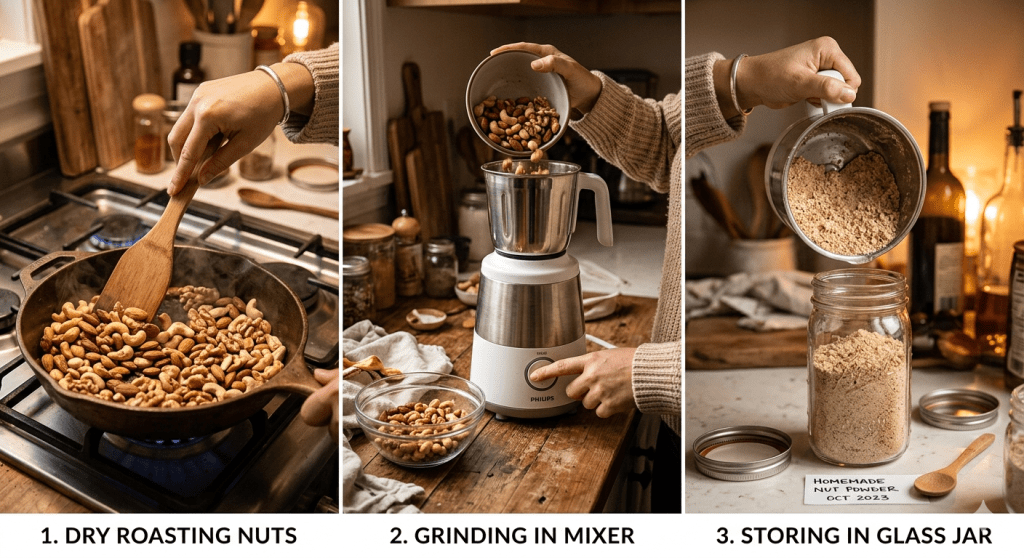
1. Dry Roast Ingredients:
Lightly roast almonds, peanuts, oats, and seeds separately on low flame. This enhances flavor and increases shelf life.
2. Cool Completely:
Allow all ingredients to cool before grinding to prevent moisture buildup.
3. Grind to Fine Powder:
Use a mixer grinder to blend everything into a smooth, fine powder.
4. Add Milk Powder (Optional):
Mix it well for added protein and taste.
5. Store Properly:
Store in an airtight container in a cool, dry place. It stays fresh for up to 1 month.
How to Use Homemade Protein Powder
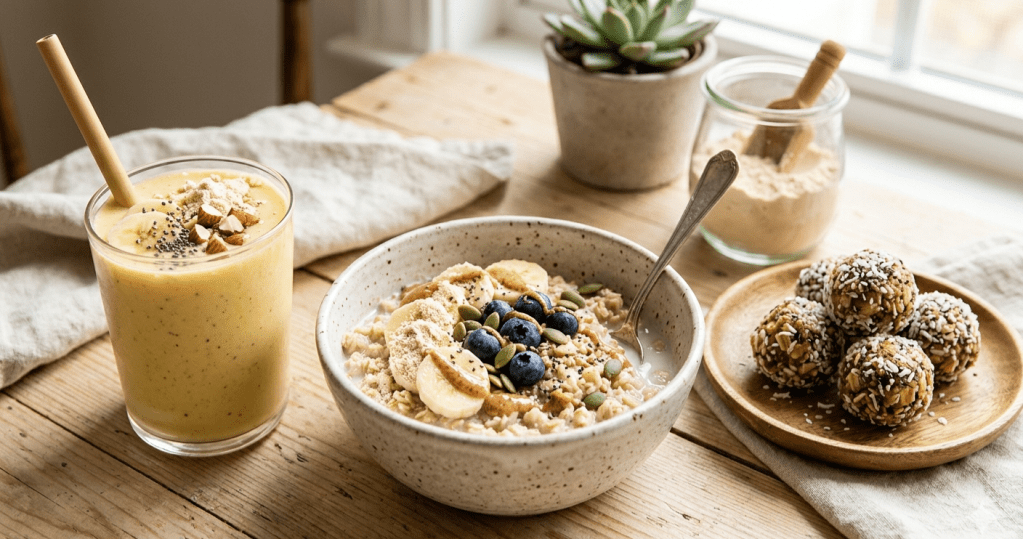
You can easily incorporate this powder into your daily routine:
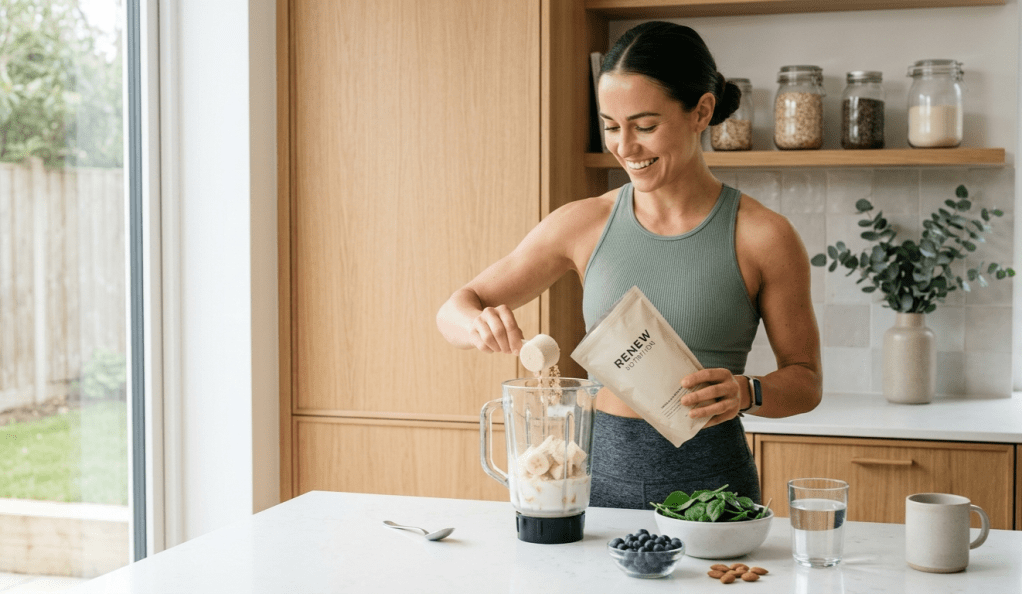
• Protein Shake: Mix 1–2 tablespoons with milk or water
• Smoothies: Blend with fruits like banana or berries
• Breakfast Boost: Add to oats, porridge, or yogurt
• Healthy Desserts: Use in laddoos, pancakes, or energy bars
Nutritional Value (Approximate)
Per 2 tablespoons:
• Protein: 8–10 grams
• Healthy fats: 5–7 grams
• Fiber: 3–4 grams
This makes it an excellent addition for weight management, muscle building, and overall health.
Who Should Use This?
• Fitness enthusiasts
• Students with busy schedules
• Working professionals
• Anyone looking for a natural protein source
• People aiming for weight loss or muscle gain
Tips for Best Results
• Use fresh, high-quality ingredients
• Avoid over-roasting to retain nutrients
• Store in small batches for freshness
• Customize with cocoa powder or cinnamon for flavor
Final Thoughts
Homemade protein powder is a simple yet powerful way to nourish your body without relying on processed supplements. It aligns perfectly with a healthy lifestyle—clean, natural, and effective.
If you’re someone who values both wellness and budget, this DIY protein powder is worth trying. Not only will you fuel your body better, but you’ll also develop a mindful approach toward nutrition.
 Holistic Living with Dr.Deepti
Leave a comment