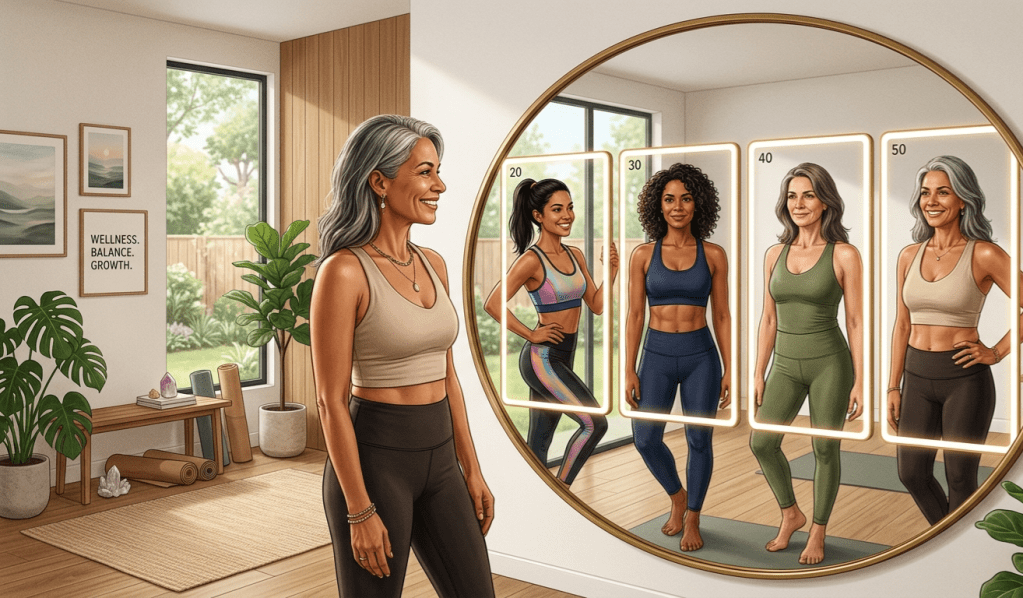
Weight management isn’t a one-size-fits-all journey. What works for you at 20 may stop working at 30, and feel completely ineffective at 40 or beyond. The reason? Your body is constantly changing—metabolism, hormones, muscle mass, lifestyle, and even stress patterns evolve with age.
Understanding this connection between age and weight management can help you design smarter, more sustainable strategies instead of chasing quick fixes that no longer suit your body.
In Your Teens & Early 20s: Fast Metabolism, Poor Habits

In your younger years, your metabolism is generally at its peak. Your body burns calories efficiently, and you can often “get away” with unhealthy eating habits like junk food, irregular meals, late-night snacking.
But here’s the catch:
This phase builds the foundation for your future health.
Many people develop habits like:
● Skipping meals
● Overeating processed food
● Lack of physical activity
Even if weight gain isn’t visible now, these patterns silently affect your metabolism, gut health, and fat distribution later in life.
What to focus on:
● Build consistent eating habits
● Start strength training early
● Prioritize sleep (this directly affects hormones and fat storage)
In Your Late 20s to 30s: Slowing Metabolism & Lifestyle Stress

This is where reality starts hitting.
Your metabolism begins to slow down gradually. You may notice:
● Weight gain despite “eating the same”
● Increased belly fat
● Reduced energy levels
Why does this happen?
● Muscle mass starts declining if not maintained
● Work stress increases cortisol (a hormone linked to fat storage)
● Sedentary lifestyle becomes more common
For many, this is also the phase of career growth, relationships, and possibly parenthood—leaving less time for self-care.
What to focus on:
● Strength training becomes non-negotiable
● Protein intake should increase
● Stress management (yoga, meditation, walking)
● Avoid extreme dieting—it backfires by slowing metabolism further
In Your 40s: Hormonal Shifts & Fat Redistribution

Your 40s bring noticeable hormonal changes. For women, this may include perimenopause; for men, gradual testosterone decline.
These shifts can lead to:
● Increased abdominal fat
● Difficulty losing weight
● Reduced muscle mass
● Slower recovery from workouts
At this stage, many people feel frustrated because their “old methods” stop working.
Important truth:
It’s not your lack of discipline—it’s your physiology changing.
What to focus on:
● Prioritize resistance training over only cardio
● Focus on nutrient-dense foods (not just calorie counting)
● Maintain gut health and hydration
● Regular health check-ups (thyroid, insulin, etc.)
In Your 50s & Beyond: Preservation Over Aggression

At this stage, the goal shifts from “losing weight fast” to maintaining health, mobility, and independence.
Your body becomes more sensitive to:
● Nutritional deficiencies
● Muscle loss (sarcopenia)
● Bone density reduction
Crash diets or extreme workouts can do more harm than good.
What to focus on:
● Gentle but consistent physical activity (walking, strength training, mobility work)
● Adequate protein and calcium intake
● Joint health and flexibility
● Sustainable routines not restrictive plans
The Biggest Mistake Across All Ages

Comparing your current body to your younger self.
This leads to:
● Unrealistic expectations
● Frustration
● Extreme dieting cycles
Your body is not “failing”—it is adapting. Your strategy simply needs to evolve with it.
Key Principles That Stay Constant
While strategies change, some fundamentals remain true at every age:
1. Consistency beats intensity
2. Muscle is your metabolic currency
3. Sleep and stress directly affect fat storage
4. Sustainable habits outperform quick
fixes
Final Thought

Your body at every age is different and that’s not a limitation, it’s guidance.
When you stop fighting your body and start understanding it, weight management becomes less of a struggle and more of a system.
So instead of asking:
“Why is this not working anymore?”
Start asking:
“What does my body need at this stage of life?”
That’s where real transformation begins.
 Holistic Living with Dr.Deepti
Leave a comment