
Understanding how to calculate calories is one of the most powerful skills you can develop for managing your weight, improving your health, and building a sustainable lifestyle. Whether your goal is weight loss, muscle gain, or simply maintaining your current body, knowing your calorie needs gives you clarity and control.
Let’s break it down step by step in a simple and practical way.
What Are Calories?
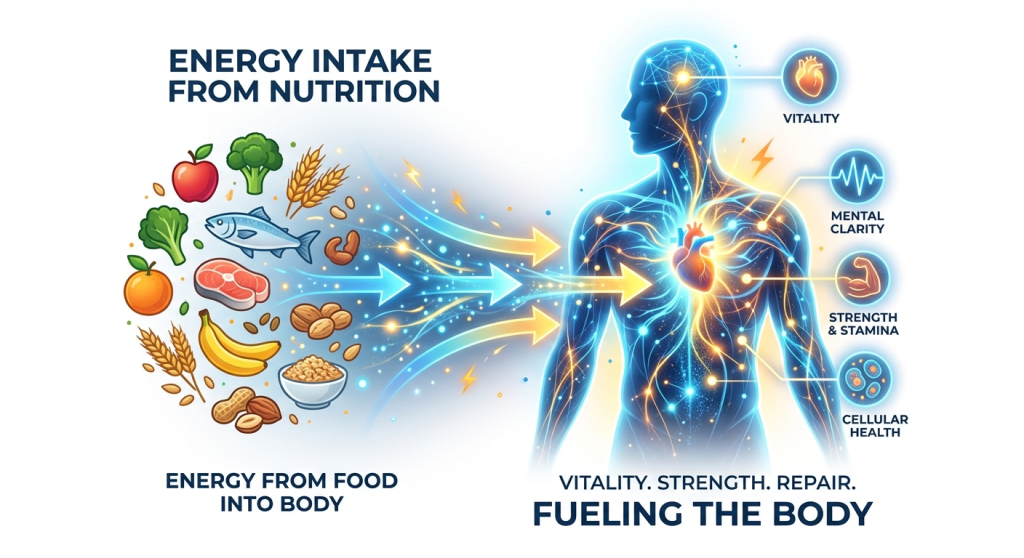
Calories are units of energy. Your body uses calories to perform every function—breathing, digestion, movement, and even thinking. The food you eat provides these calories, and your body either uses them or stores them (usually as fat) if there’s excess.
Step 1: Calculate Your Basal Metabolic Rate (BMR)
Your Basal Metabolic Rate (BMR) is the number of calories your body needs at rest to maintain basic functions like heartbeat, breathing, and organ function.
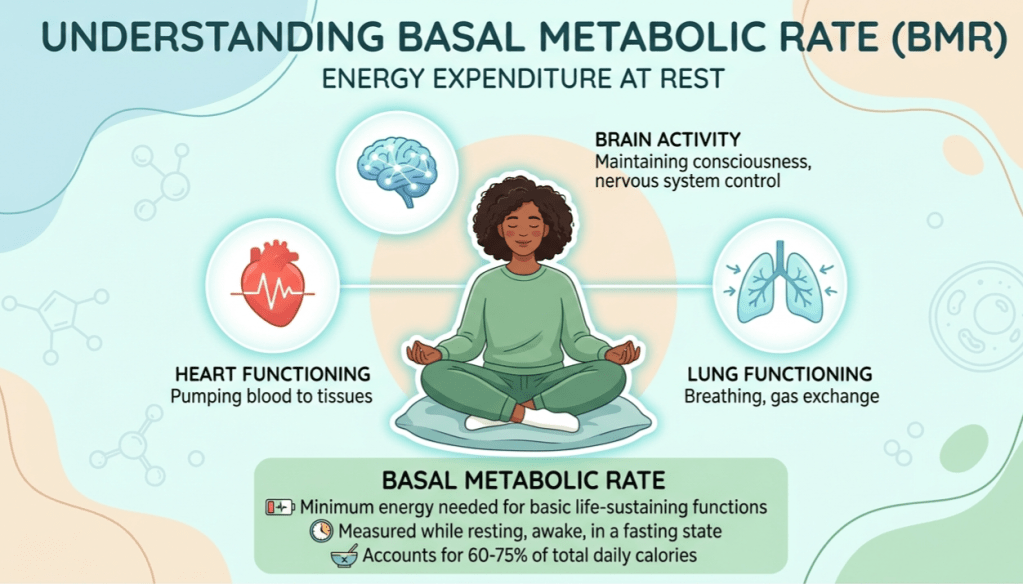
The most commonly used formula is the Mifflin-St Jeor Equation:
For women:
BMR = (10 × weight in kg) + (6.25 × height in cm) – (5 × age) – 161
For men:
BMR = (10 × weight in kg) + (6.25 × height in cm) – (5 × age) + 5
Example (for a woman):
• Weight = 60 kg
• Height = 160 cm
• Age = 25
BMR = (10×60) + (6.25×160) – (5×25) – 161
= 600 + 1000 – 125 – 161
= 1314 calories/day
This means your body needs 1314 calories just to survive at rest.
Step 2: Calculate Total Daily Energy Expenditure (TDEE)
Your TDEE is the total number of calories you burn in a day, including activity.
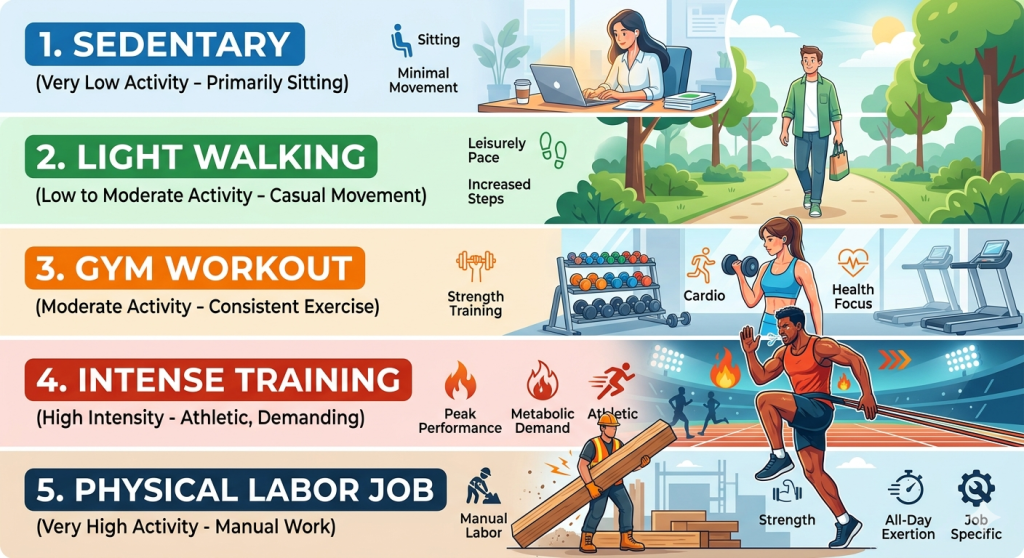
Multiply your BMR by your activity level:
• Sedentary (little/no exercise): BMR × 1.2
• Lightly active (1–3 days/week): BMR × 1.375
• Moderately active (3–5 days/week): BMR × 1.55
• Very active (6–7 days/week): BMR × 1.725
• Extremely active (physical job + workouts): BMR × 1.9
Example: If BMR = 1314 and you are lightly active:
TDEE = 1314 × 1.375 = ~1807 calories/day
This is the number of calories needed to maintain your current weight.
Step 3: Adjust Calories Based on Your Goal
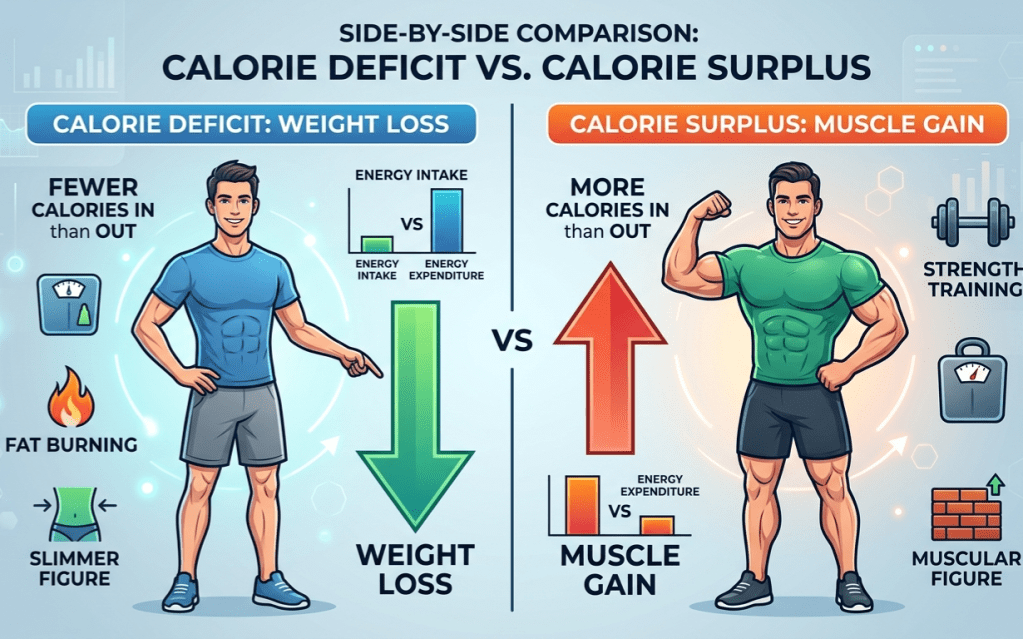
Now that you know your maintenance calories, you can adjust based on your goal:
1. Weight Loss
Create a calorie deficit:
• Moderate deficit: −300 to −500 calories/day
• Aggressive deficit: −500 to −700 calories/day
Example: 1807 − 400 = ~1400 calories/day
2. Weight Gain (Muscle Building)
Create a calorie surplus:
• Add +200 to +400 calories/day
Example: 1807 + 300 = ~2100 calories/day
3. Maintenance
Eat around your TDEE:
• ~1800 calories/day (in this example)
Step 4: Understand Macronutrients (Macros)
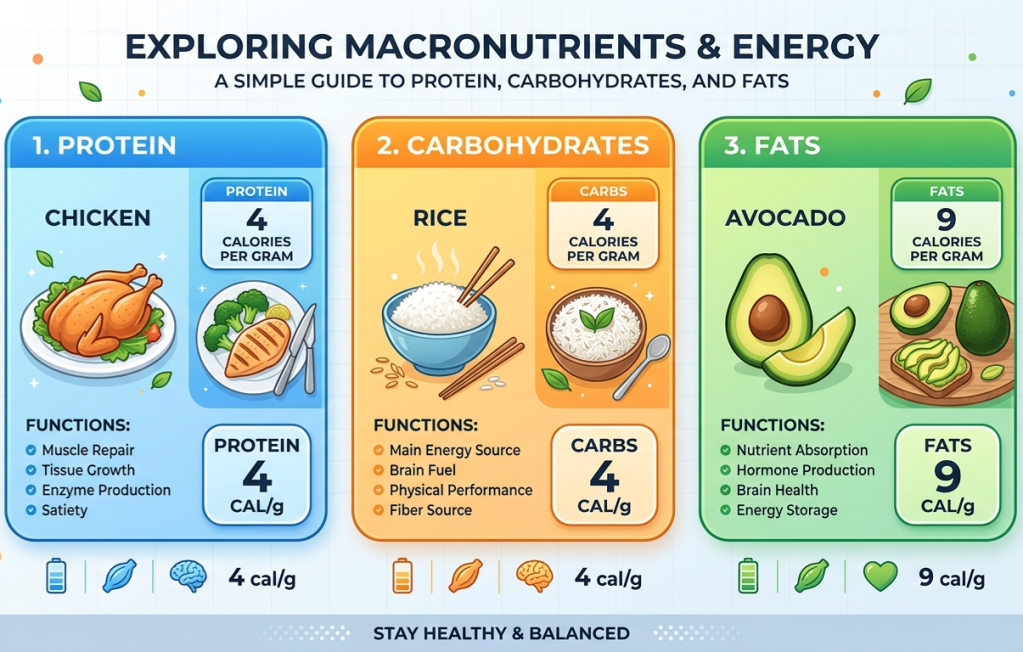
Calories come from three main nutrients:
• Protein: 4 calories per gram
• Carbohydrates: 4 calories per gram
• Fats: 9 calories per gram
Basic Macro Split (for beginners):
• Protein: 20–30%
• Carbs: 40–50%
• Fats: 20–30%
Example (1400 calorie diet for weight loss):
• Protein (30%) = 420 calories = 105g
• Carbs (40%) = 560 calories = 140g
• Fats (30%) = 420 calories = ~47g
Step 5: Track Your Food Intake

To calculate calories accurately, you need to track what you eat.
Tools you can use:
• Food tracking apps (like MyFitnessPal, HealthifyMe)
• Kitchen weighing scale
• Nutrition labels on packaged foods
Example:
1 roti ≈ 100 calories
1 bowl rice ≈ 200 calories
1 egg ≈ 70 calories
1 tsp oil ≈ 45 calories
Tracking helps you stay aware and consistent.
Step 6: Be Practical, Not Perfect
Many people quit calorie tracking because they try to be perfect. But consistency matters more than accuracy.
✔ It’s okay to estimate sometimes
✔ Focus on weekly trends, not daily perfection
✔ Learn portion sizes over time
Common Mistakes to Avoid

1. Ignoring hidden calories
Oil, sauces, and snacks can add up quickly.
2. Overestimating exercise calories
Burning 500 calories in a workout is harder than it sounds.
3. Eating too little
Extreme calorie cuts can slow metabolism and cause fatigue.
4. Not eating enough protein
Protein helps with fat loss and muscle maintenance.
A Simple Formula to Remember
• Weight loss = Calories in < Calories out
• Weight gain = Calories in > Calories out
• Maintenance = Calories in = Calories out
Final Thoughts
Calculating calories is not about restriction—it’s about awareness and control. Once you understand how much your body needs, you stop guessing and start making intentional choices.
As a wellness-focused individual, you can also use this knowledge not just for yourself, but to guide others toward healthier lifestyles. Combine calorie awareness with balanced nutrition, proper sleep, and stress management—and you create a sustainable transformation.
Start simple. Stay consistent. And remember—your goal is not just to count calories, but to build a lifestyle that works for you.
 Holistic Living with Dr.Deepti
Leave a comment