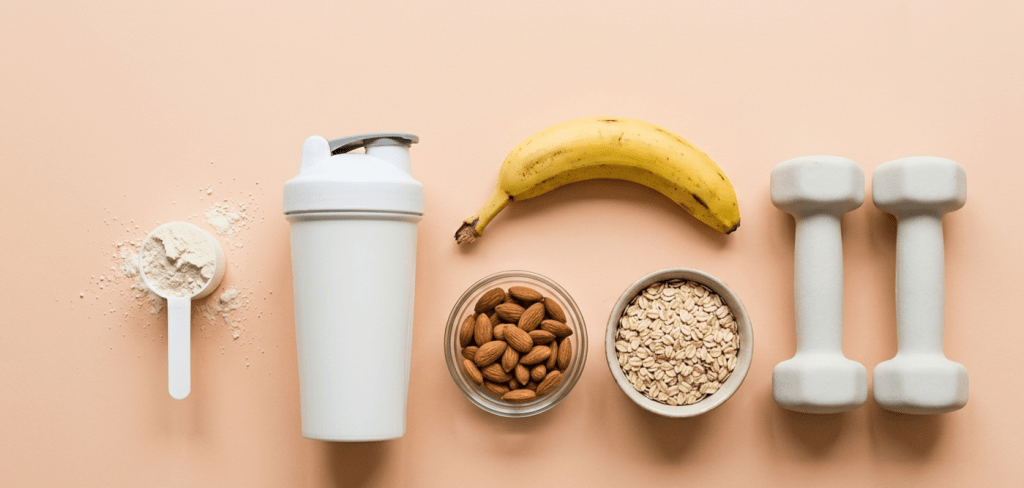
Protein supplements have become one of the most popular additions to modern diets—especially among fitness enthusiasts, busy professionals, and those trying to meet their daily nutritional needs. But with so many options available, choosing the right protein supplement can feel overwhelming.
If you’re a beginner, this guide will help you make an informed, smart decision.
Why Do You Need a Protein Supplement?
Before choosing a supplement, it’s important to understand whether you actually need one.
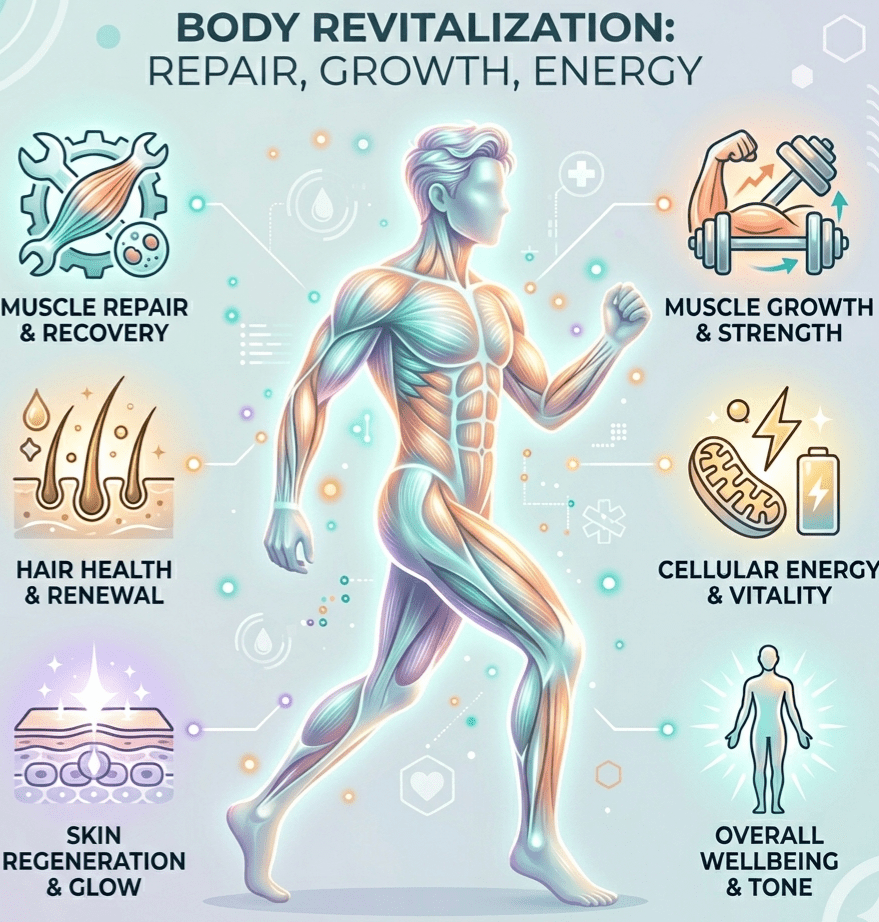
Protein is essential for:
• Muscle repair and growth
• Healthy skin, hair, and nails
• Hormone and enzyme production
• Overall body maintenance
Ideally, your protein intake should come from whole foods like dal, paneer, eggs, chicken, tofu, and legumes. However, supplements can help if:
• You have a busy lifestyle
• You struggle to meet daily protein needs
• You follow a vegetarian or vegan diet
• You’re into fitness or muscle building
A protein supplement is just that—a supplement, not a replacement for food.
Step 1: Know Your Daily Protein Requirement
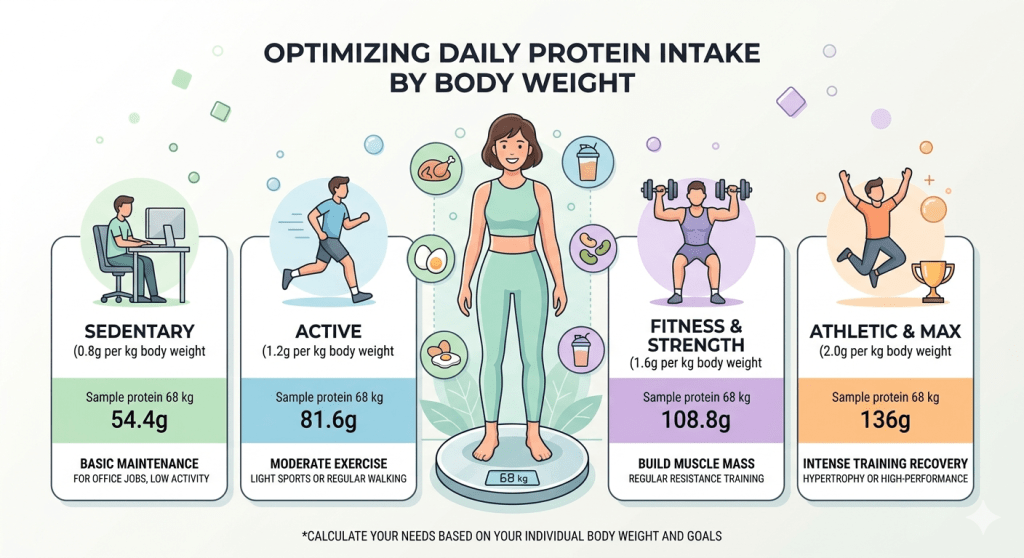
Your protein needs depend on your lifestyle and goals:
• Sedentary lifestyle: ~0.8 g per kg body weight
• Moderate activity: 1.0–1.2 g/kg
• Active/fitness goals: 1.2–2.0 g/kg
For example, if you weigh 60 kg and are moderately active, you need around 60–72 grams of protein daily.
If your diet already covers most of this, you may only need a small supplement—or none at all.
Step 2: Understand Different Types of Protein Supplements
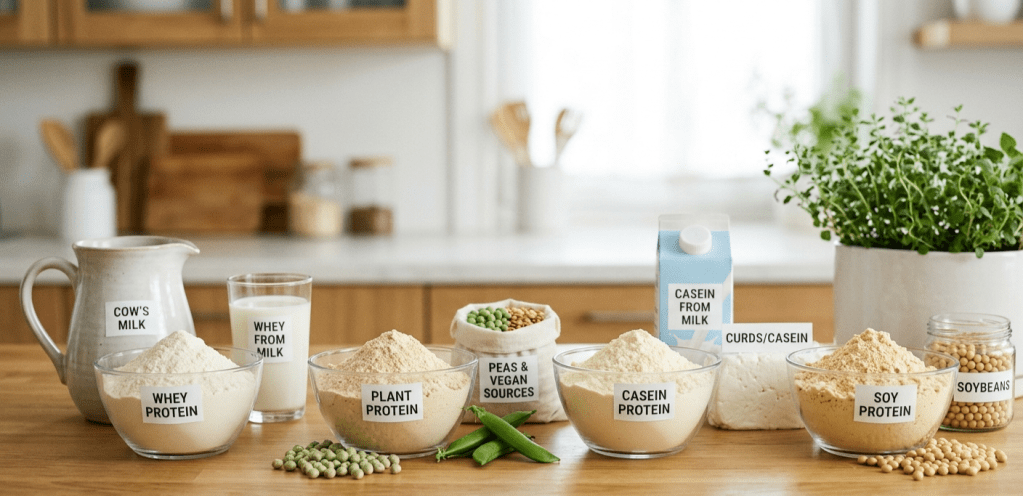
Not all protein powders are the same. Here are the most common types:
1. Whey Protein
• Fast-digesting and highly bioavailable
• Ideal for post-workout recovery
• Comes in:
○ Isolate (higher protein, low lactose)
○ Hydrolyzed (pre-digested, fastest absorption)
Best for: Gym-goers, muscle recovery, beginners
2. Plant-Based Protein
• Made from pea, rice, soy, or blends
• Good for vegans or lactose-intolerant individuals
Best for: Vegetarians, vegans, sensitive digestion
3. Casein Protein
• Slow-digesting protein
• Releases amino acids over time
Best for: Night-time use or long gaps between meals
4. Soy Protein
• Complete plant protein
• Contains all essential amino acids
Best for: Vegetarian muscle support
Step 3: Check the Ingredient Label Carefully
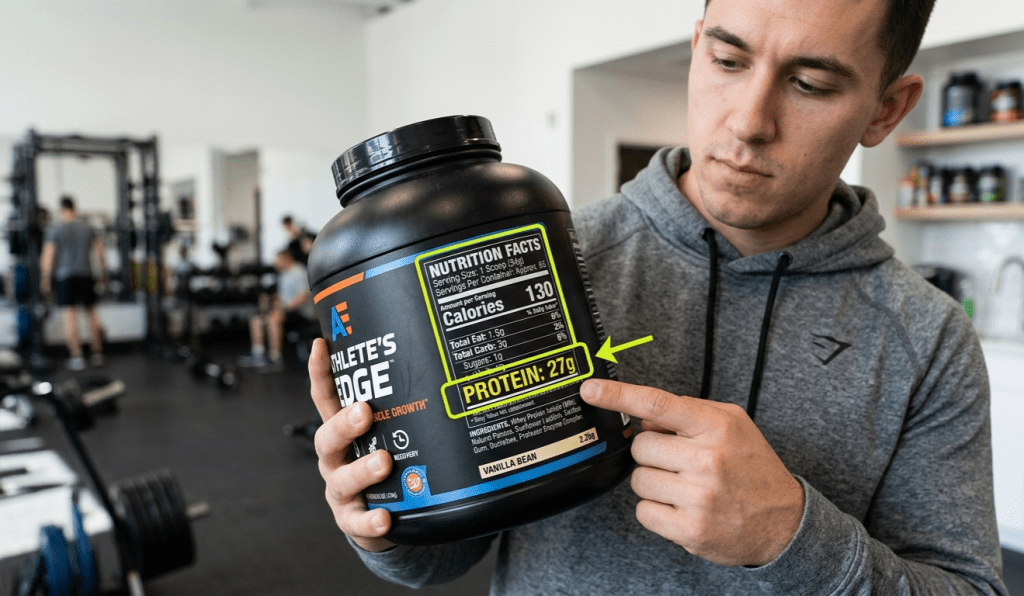
This is where most people go wrong.
When selecting a protein supplement:
✔ Look for:
• At least 20–25g protein per scoop
• Minimal added sugar
• Clear ingredient list
• Third-party testing or certifications
❌ Avoid:
• Excessive artificial sweeteners
• Hidden fillers
• “Proprietary blends” without transparency
A good supplement is clean, simple, and honest about what it contains.
Step 4: Match the Supplement to Your Goal
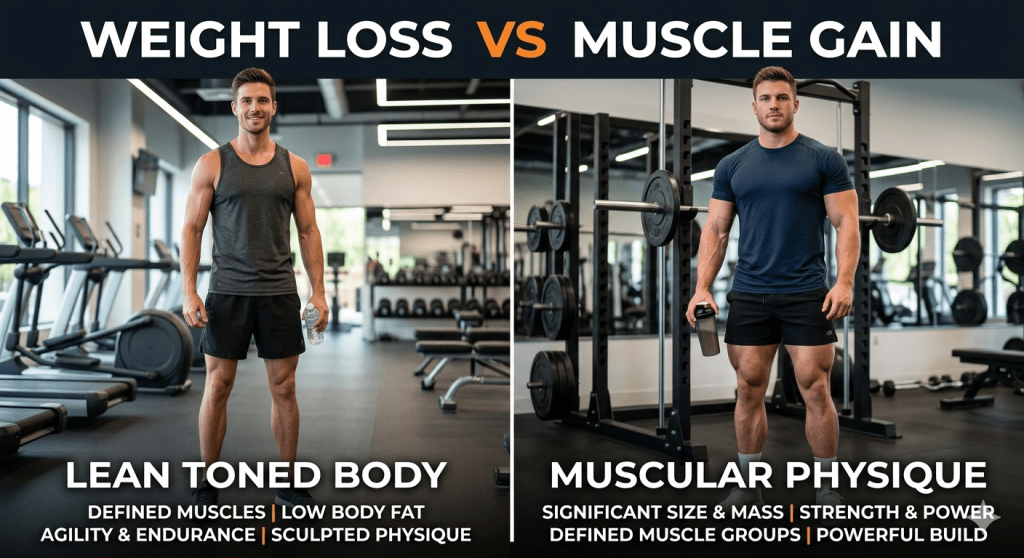
Choosing the right protein also depends on what you want to achieve:
• Weight Loss:
Go for whey isolate or plant protein (low carbs, low fat)
• Muscle Gain:
Whey concentrate or isolate works well
• General Health:
Any clean protein source that suits your diet
• Vegetarian Diet:
Plant-based blends or soy protein
Remember—protein alone won’t transform your body. Your overall diet, exercise, and consistency matter more.
Step 5: Consider Digestibility and Tolerance
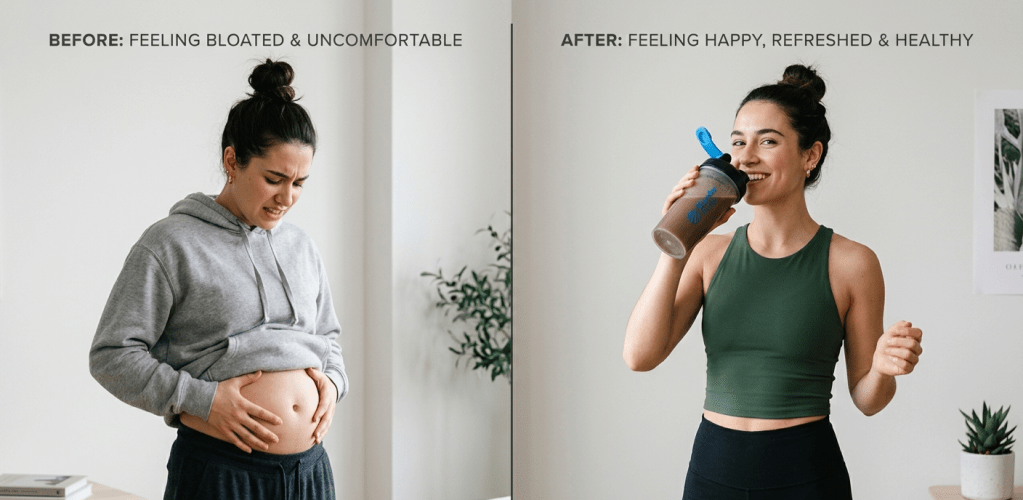
Not every protein suits every body.
• If you feel bloated after whey → try isolate or plant protein
• If lactose intolerant → avoid concentrate
• If you have allergies → check ingredients carefully
Start with a small quantity and observe how your body responds.
Step 6: Don’t Fall for Marketing Hype
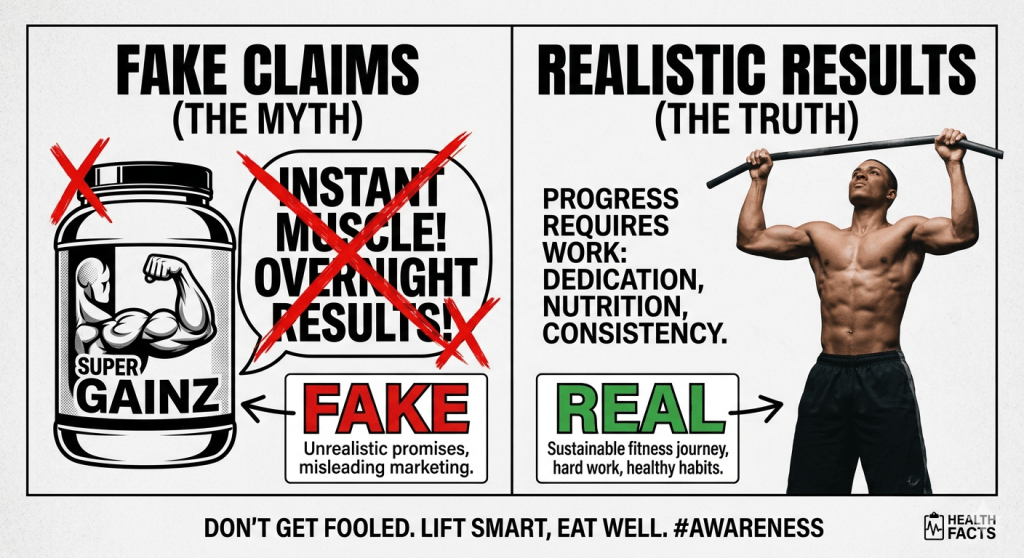
The supplement industry is full of bold claims:
• “Instant muscle gain”
• “Fat-burning protein”
• “100% results guaranteed”
The truth? No supplement works magically.
Focus on:
• Nutritional value
• Ingredient quality
• Your personal needs
Not flashy packaging or influencer promotions.
Step 7: Choose a Trusted Brand
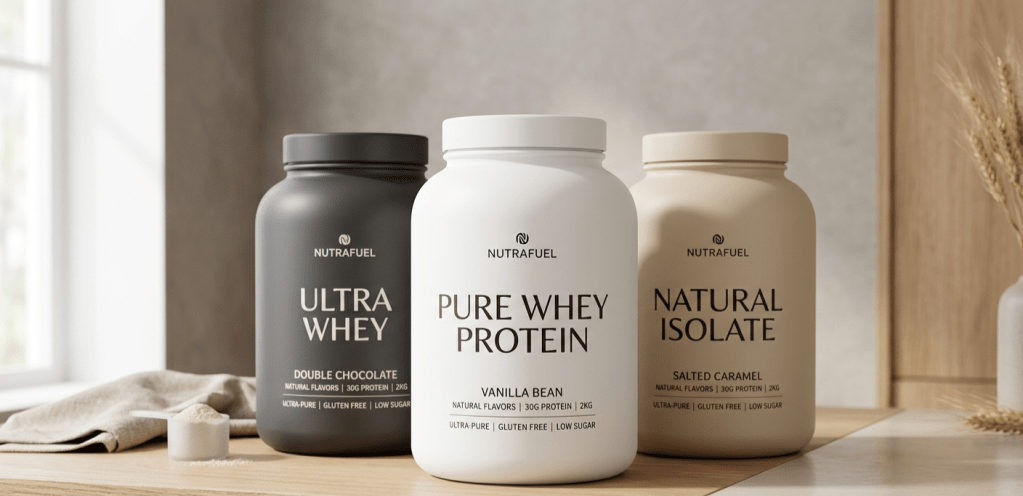
Always go for brands that:
• Provide lab-tested products
• Have transparent labeling
• Are widely reviewed and trusted
Avoid extremely cheap options—they often compromise quality.
Step 8: How to Use Protein Supplements Correctly
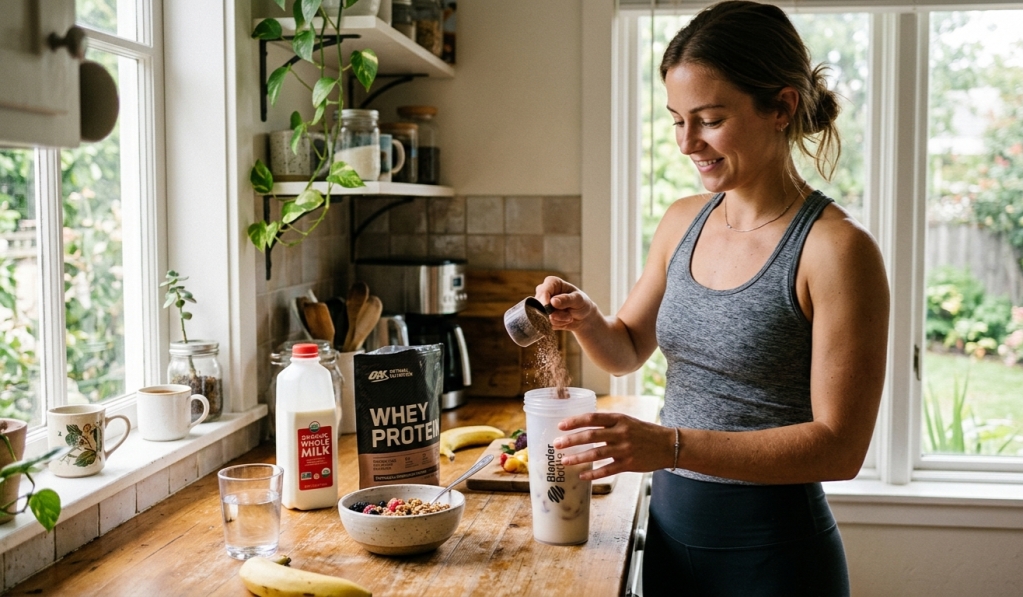
Even the best supplement won’t help if used incorrectly.
• Take it post-workout or between meals
• Mix with water or milk depending on your goal
• Don’t exceed your daily protein requirement
• Combine with a balanced diet
Final Thoughts
Choosing the right protein supplement doesn’t have to be complicated. Start by understanding your body’s needs, your diet, and your goals. Focus on quality over hype, and remember that supplements are just a support system—not the foundation of your nutrition.
Smart nutrition is about balance. When used correctly, a protein supplement can be a convenient and effective tool to help you stay consistent, meet your goals, and maintain a healthy lifestyle.
 Holistic Living with Dr.Deepti
Leave a comment