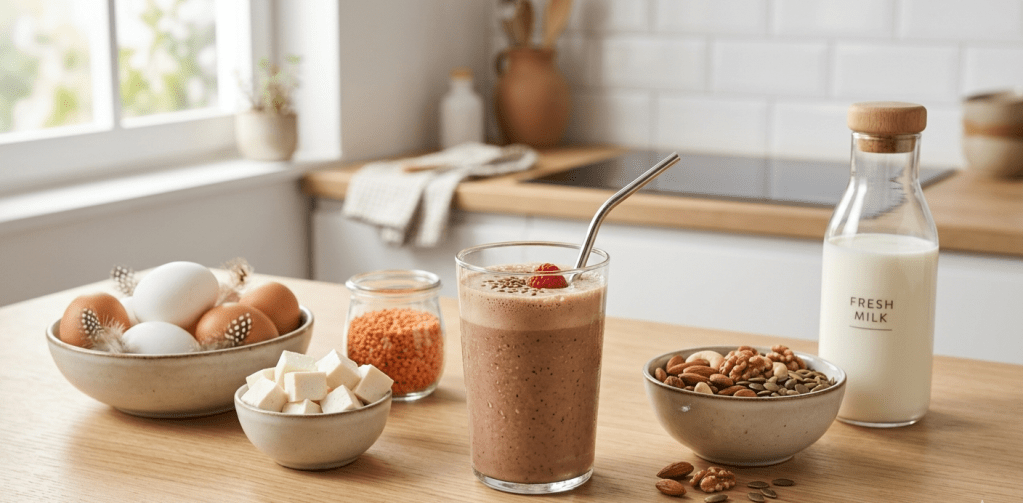
Walk into any fitness store or scroll through social media, and you’ll be surrounded by one common message: “You need more protein.” From whey protein shakes to plant-based powders, supplements are marketed as essential for fitness, muscle gain, and even weight loss.
But here’s the truth—protein supplements are not a necessity for everyone. In fact, many people consume them without truly understanding whether their body actually needs them.
Let’s break it down in a simple and practical way.
Do You Really Need Protein Supplements?
Protein is an essential macronutrient required for muscle repair, hormone production, and overall body function. However, the source of protein matters less than the total amount you consume daily.
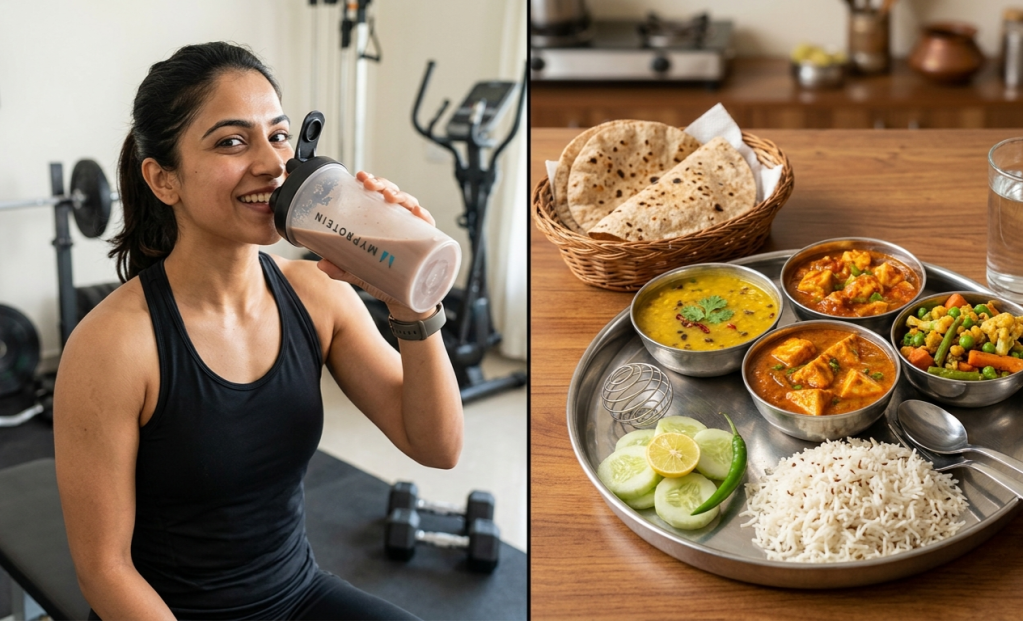
Most adults can meet their protein needs through a well-balanced diet. For an average person, the daily protein requirement is around 0.8–1 gram per kilogram of body weight. This can easily be achieved through common foods like:
• Milk, curd, and paneer
• Lentils (dal), chickpeas, and kidney beans
• Eggs, chicken, and fish
• Soy products like tofu and soya chunks
• Nuts and seeds
If your meals already include these foods regularly, you likely do not need protein supplements.
Supplements are simply a convenient option, not a superior one.
When Protein Supplements Can Be Helpful
While not essential for everyone, protein supplements can be useful in certain situations:
1. Busy Lifestyles
If you have a hectic schedule and often skip meals, a protein shake can help bridge the nutritional gap.
2. Fitness Enthusiasts & Athletes
People engaged in intense workouts or strength training require higher protein intake—typically 1.2 to 2 grams per kilogram of body weight. Meeting this through food alone can sometimes be challenging.
3. Low Appetite or Dietary Restrictions
Vegetarians or individuals with limited food variety may struggle to meet their daily protein needs.
4. Recovery & Medical Conditions
In cases of injury, surgery, or illness, doctors may recommend higher protein intake to support healing.
In these scenarios, supplements can act as a supporting tool—not a replacement for real food.
Who Should Avoid Protein Supplements?
Protein supplements are not harmless for everyone. Certain groups should be cautious or avoid them altogether:
1. People with Kidney Disease
High protein intake can increase the workload on the kidneys. For individuals with kidney issues, this can worsen their condition.

2. People with Liver Disorders
The liver plays a key role in protein metabolism. Excess protein may create complications if liver function is impaired.
3. Those Already Consuming Adequate Protein
If your diet already meets your protein needs, adding supplements will only increase your calorie intake, potentially leading to weight gain.
4. People with Lactose Intolerance or Sensitivities
Whey protein, a popular supplement, may cause bloating, gas, or discomfort in those who are lactose intolerant. Additionally, some protein powders contain artificial sweeteners and additives that may not suit everyone.
5. Teenagers Without Proper Guidance
Young individuals often start supplements due to peer pressure or fitness trends without understanding their nutritional needs. This can lead to long-term health issues.
The Biggest Myth: “More Protein Means Better Results”
One of the most common misconceptions is that consuming more protein automatically leads to more muscle gain.
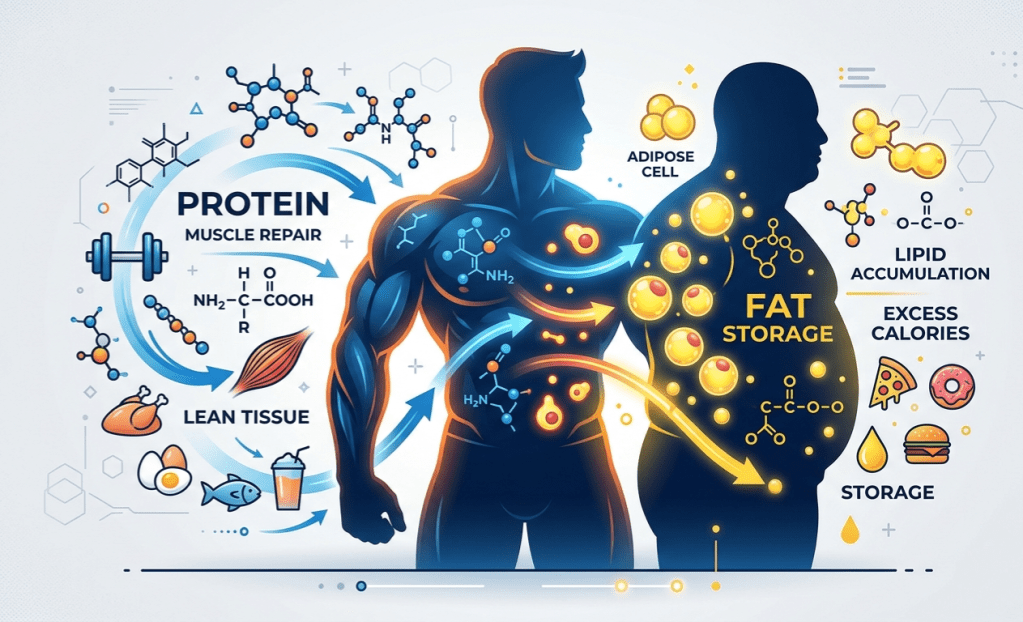
In reality, your body uses only the amount of protein it requires. Excess protein does not magically turn into muscle. Instead:
• It may be stored as fat
• It may be excreted, putting unnecessary strain on the body
Muscle building depends on consistent training, balanced nutrition, and recovery, not just protein intake.
Better Alternatives: Real Food First
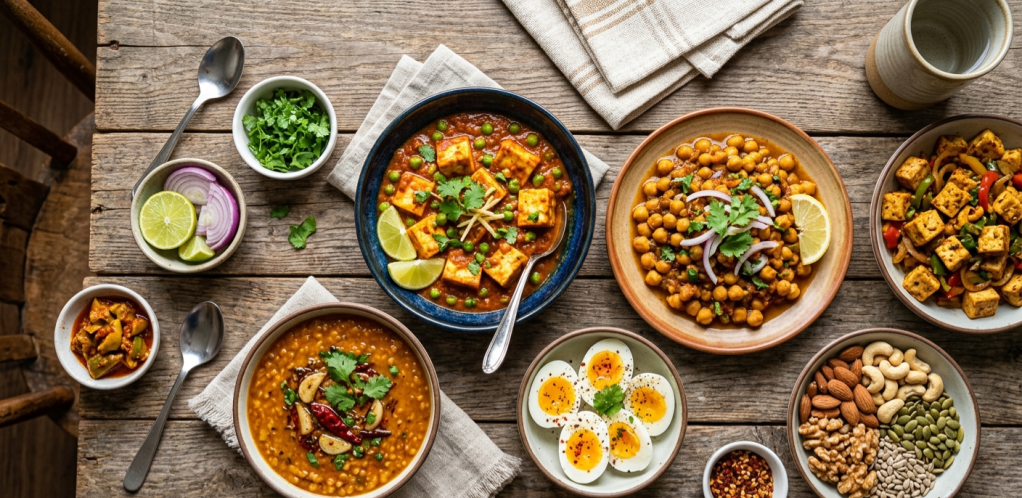
Before turning to supplements, focus on improving your daily diet. Whole foods not only provide protein but also essential vitamins, minerals, and fiber.
High-Protein Indian Food Options
• Paneer, curd, and milk
• Moong dal, masoor dal, chana, rajma
• Soya chunks and tofu
• Peanuts, almonds, and seeds
• Eggs, chicken, and fish (for non-vegetarians)
Simple High-Protein Meal Ideas
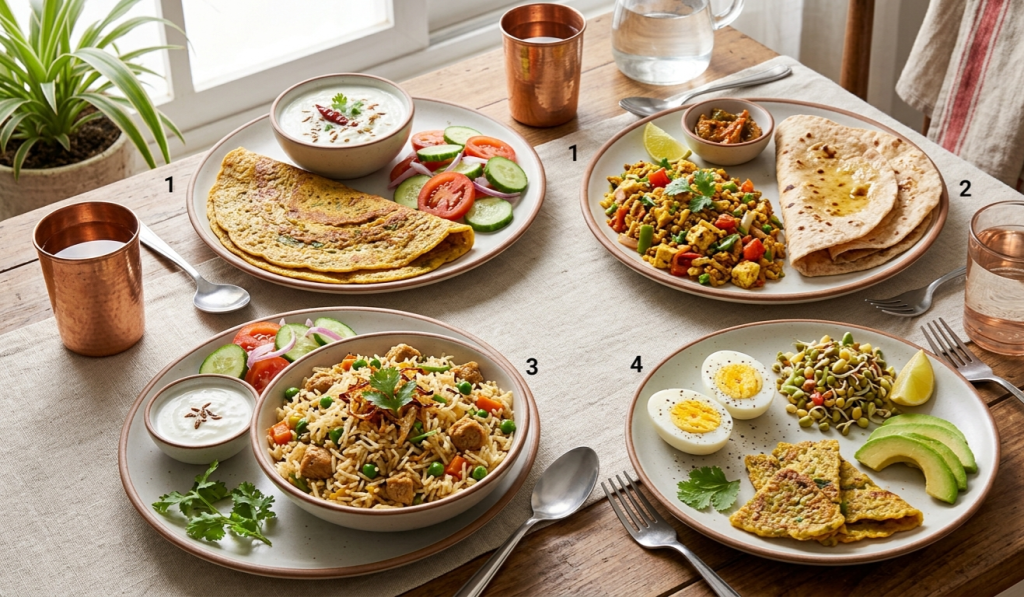
• Moong dal chilla with curd
• Paneer bhurji with roti
• Boiled eggs with fruit
• Soya pulao
• Peanut chaat or roasted chana snacks
These options are not only nutritious but also more affordable and sustainable than relying on supplements.
When Should You Choose a Protein Supplement?
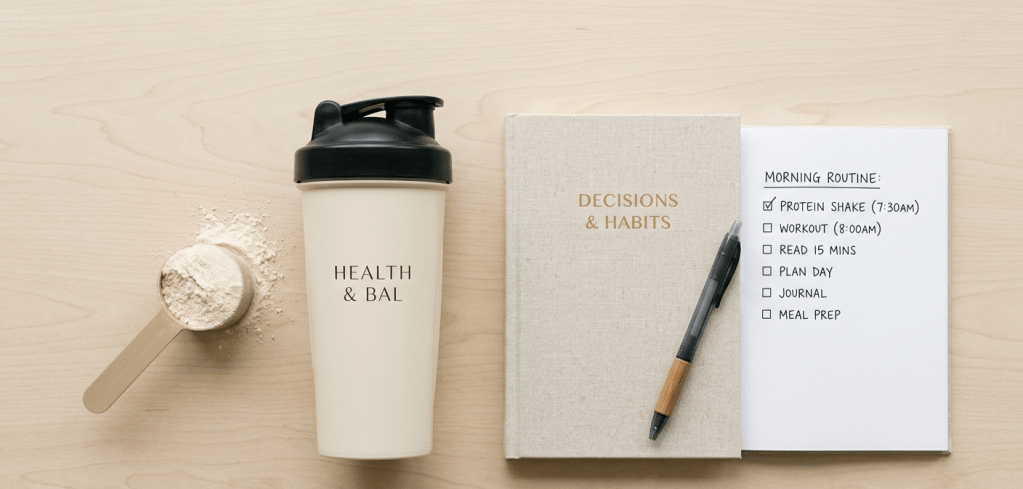
If you decide to use a protein supplement, make sure:
• Your diet is already balanced
• You genuinely need additional protein
• You choose a high-quality, tested product with minimal additives
• You use it as a supplement—not a meal replacement
Final Thoughts
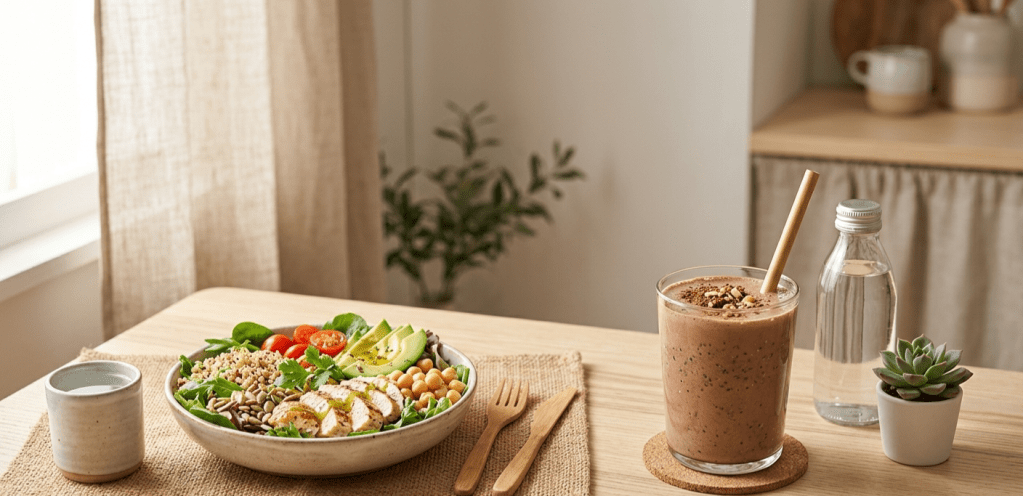
Protein supplements are often marketed as essential, but in reality, they are simply a matter of convenience.
For most people, a well-planned diet is more than enough to meet daily protein requirements. Supplements should only be considered when there is a clear gap that food alone cannot fill.
The key is to follow a simple rule:Food first. Supplements only if needed.
By focusing on balanced nutrition and mindful choices, you can support your health and fitness goals without unnecessary dependence on powders or trends.
 Holistic Living with Dr.Deepti
Leave a comment