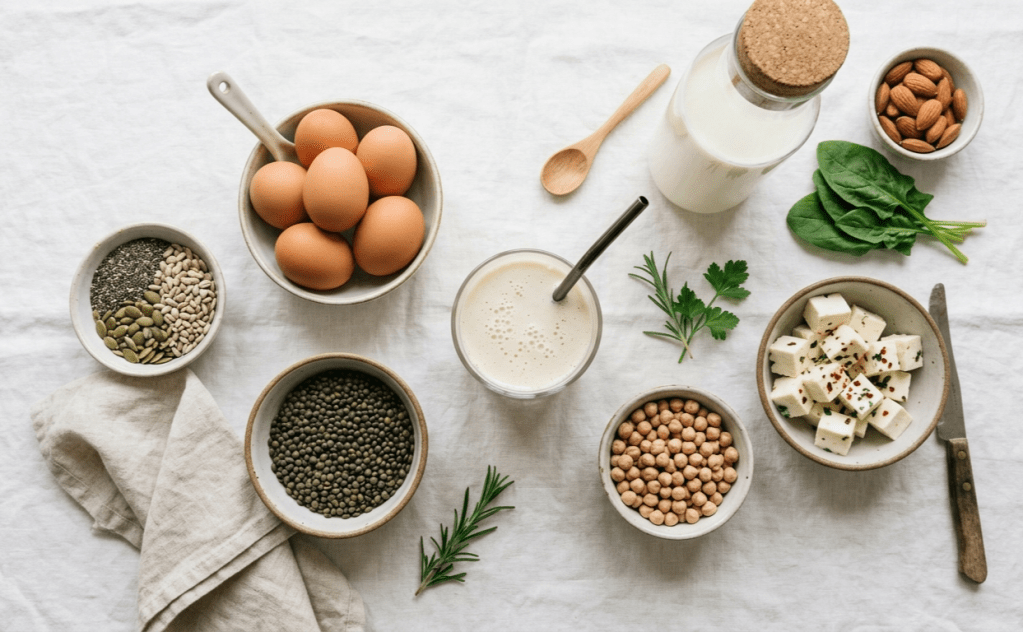
In today’s fitness-driven world, protein has become the star nutrient. From gym conversations to Instagram reels, everyone seems to be talking about protein powders, shakes, and high-protein diets. But the real question is—do you actually need protein supplements, or is this just another health trend? And more importantly, how much protein does your body truly need?
Let’s break it down in a simple, practical way.
Why Protein Matters
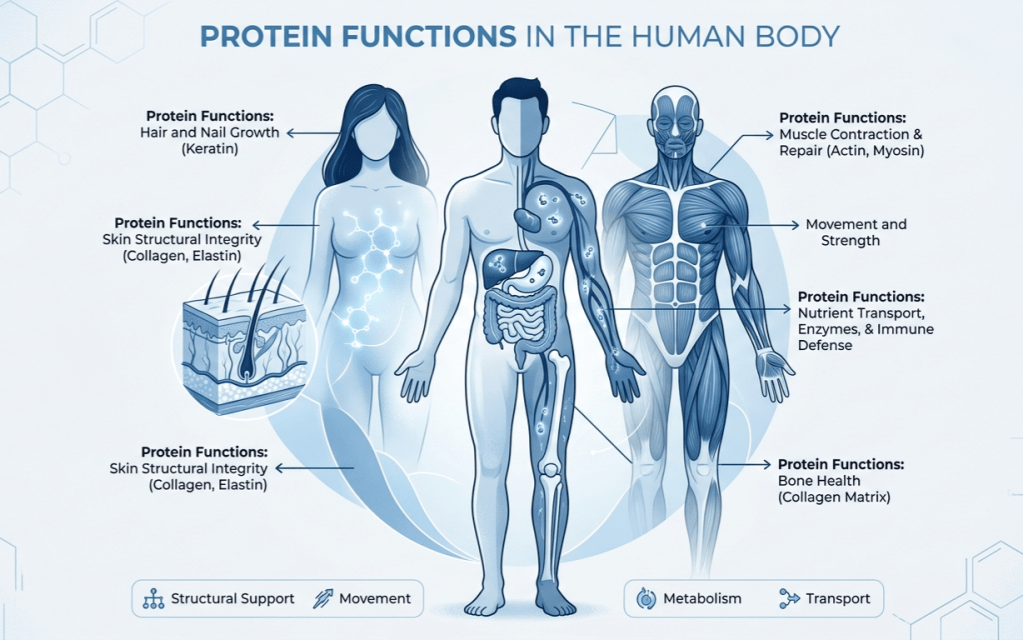
Protein is one of the essential macronutrients your body needs to function properly. It plays a key role in:
• Building and repairing tissues
• Supporting muscle growth
• Producing enzymes and hormones
• Maintaining healthy skin, hair, and nails
• Supporting immunity
Your body is constantly breaking down and rebuilding proteins, so a regular intake is necessary to keep everything running smoothly.
How Much Protein Do You Actually Need?
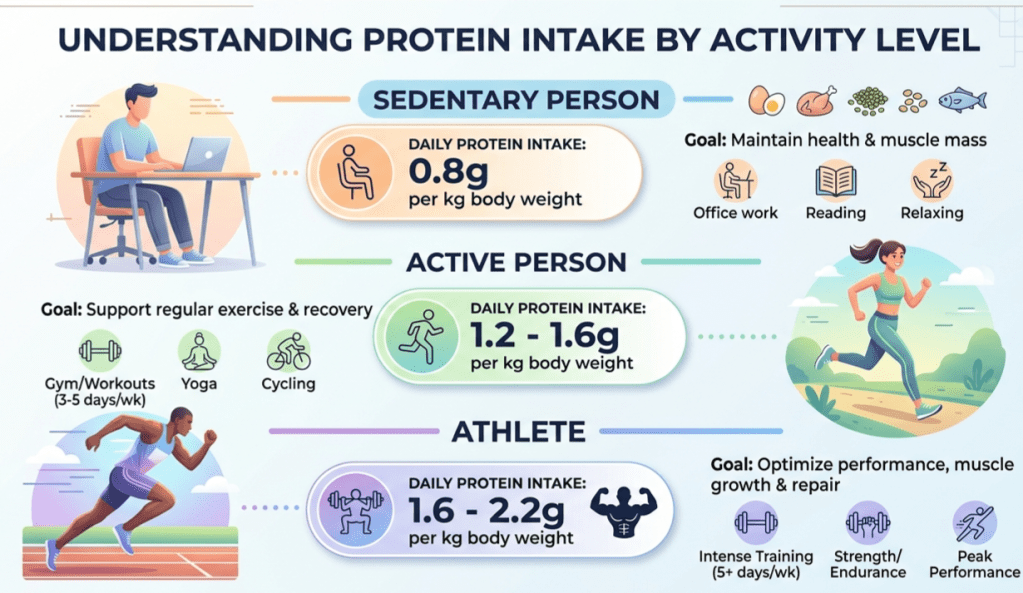
The amount of protein you need depends on your lifestyle, activity level, and health goals.
Here’s a simple breakdown:
• Sedentary adults: Around 0.8 grams per kg of body weight
• Moderately active individuals: 1.0–1.2 grams per kg
• People who exercise regularly: 1.2–1.6 grams per kg
• Muscle gain or intense training: 1.6–2.2 grams per kg
For example, if you weigh 60 kg:
• Basic requirement: ~48 g/day
• Active lifestyle: ~72–96 g/day
This means your needs can often be met through a well-balanced diet without relying on supplements.
Can You Get Enough Protein from Food?

Absolutely—especially if your diet is planned well.
Vegetarian sources:
• Lentils (dal), chickpeas, rajma
• Paneer, curd, milk
• Soy products like tofu and soya chunks
• Nuts and seeds
Non-vegetarian sources:
• Eggs
• Chicken
• Fish
For many people, the problem isn’t lack of protein availability—it’s poor dietary planning. Skipping meals, eating mostly carbs, or relying on processed foods can lead to low protein intake.
So, Do You Really Need Protein Supplements?
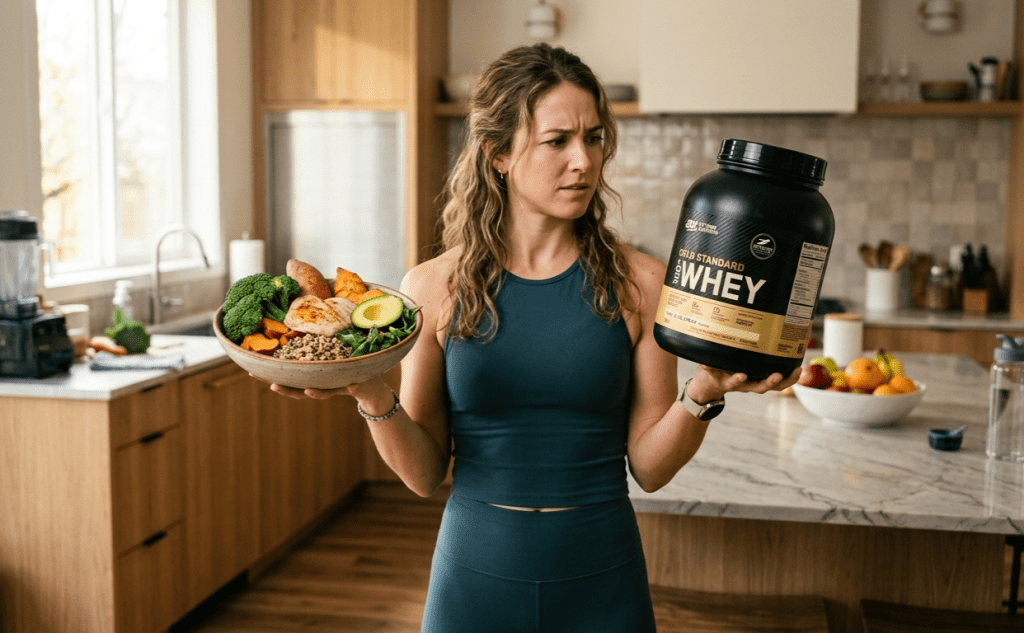
The honest answer is: not always.
Protein supplements like whey protein are just a convenient source of protein—not a magic solution.
You may benefit from supplements if:
• You struggle to meet your daily protein needs through food
• You have a busy schedule and need quick nutrition
• You are into intense training or bodybuilding
• You are recovering from illness or muscle loss
However, if you are able to meet your protein needs through regular meals, supplements are not necessary.
Protein Supplements: Pros and Cons
Pros:
• Convenient and quick
• Easy to measure protein intake
• Useful post-workout
• Helpful for people with high protein needs
Cons:
• Can be expensive
• Overconsumption can add unnecessary calories
• Not a replacement for whole foods
• Some products may contain added sugars or low-quality ingredients
Are More Protein Supplements Better?
This is one of the biggest myths.
More protein does not automatically mean more muscle. Your body can only use a certain amount efficiently. Excess protein may either be stored as fat or excreted.
Also, relying too much on supplements can make you ignore other essential nutrients like fiber, vitamins, and healthy fats that whole foods provide.
Timing vs Total Intake
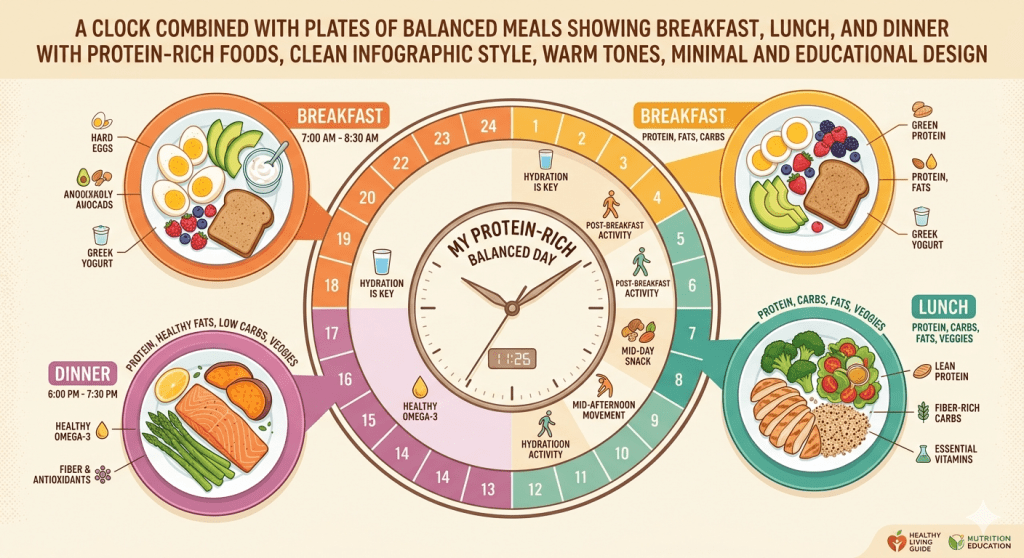
Many people worry about when to consume protein—before workout, after workout, or at night.
While timing can help (especially post-workout), what matters more is your total daily protein intake.
Spreading protein evenly across meals is more beneficial than consuming a large amount at once.
Protein and Weight Goals
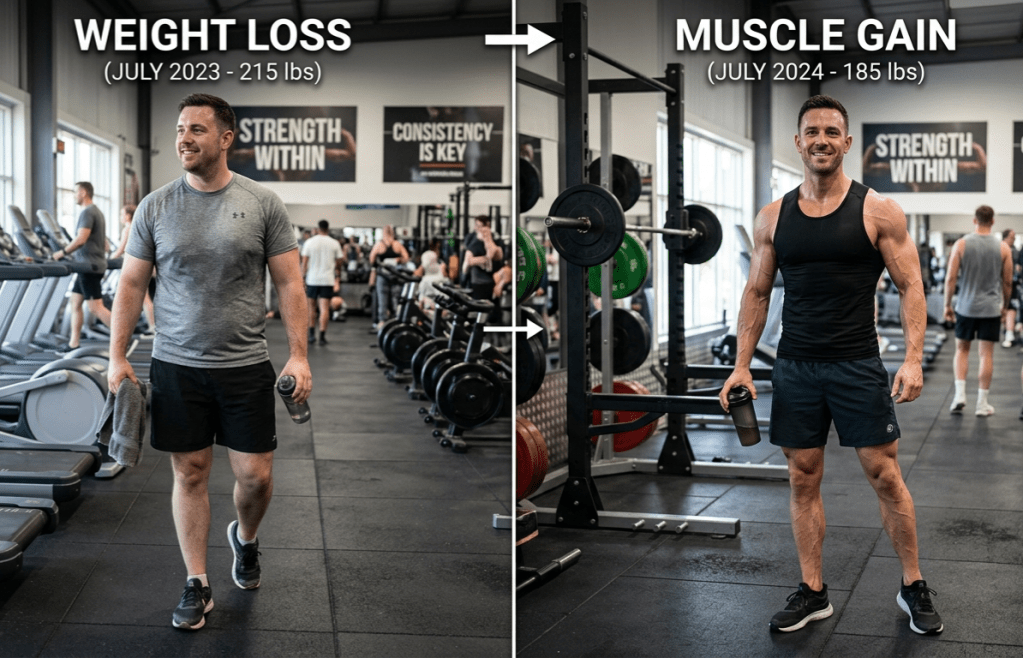
• For weight loss: Protein helps keep you full, reduces cravings, and preserves muscle mass
• For muscle gain: It supports muscle repair and growth when combined with strength training
But again, protein alone won’t give results—your overall diet and lifestyle matter.
Common Mistakes People Make

• Depending only on protein shakes
• Ignoring balanced meals
• Consuming excess protein without exercise
• Falling for marketing claims instead of reading labels
Final Thoughts
Protein is essential, but supplements are optional.
Think of protein supplements as a tool, not a necessity. If your daily diet already includes enough protein-rich foods, you don’t need to rely on powders or shakes. But if your lifestyle or goals demand extra intake, supplements can be a convenient addition.
The key is balance—focus on whole foods first, understand your body’s needs, and then decide if supplementation is required.
 Holistic Living with Dr.Deepti
Leave a comment