Protein has become the star nutrient of the decade. From protein shakes and bars to high-protein ice creams and even protein water — everywhere you look, protein is being marketed as the ultimate health solution.
But with this rise in popularity comes a wave of confusion, misinformation, and exaggerated claims.
Is more protein always better?
Do you really need supplements?
Can high-protein diets harm your body?
Let’s break down the biggest myths and answer the most Googled questions about protein — backed by science, not trends.
Myth 1: “More Protein = More Muscle”
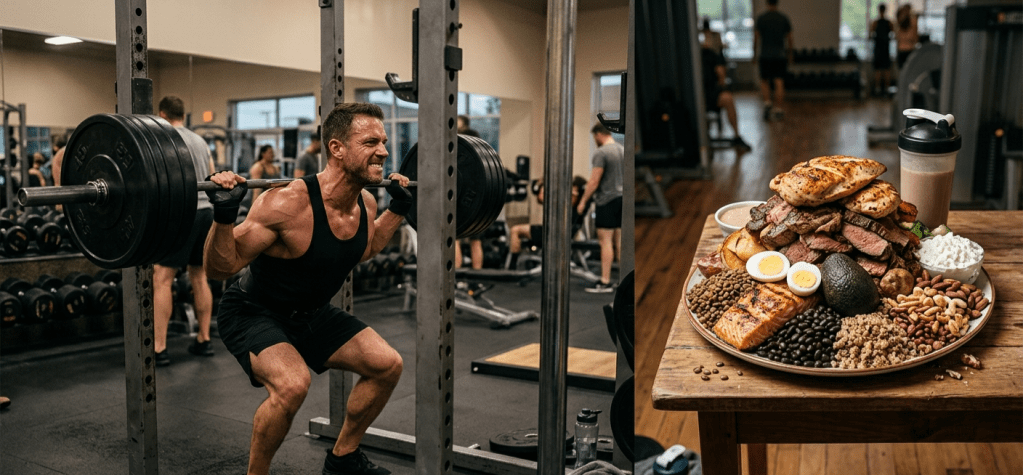
This is one of the most common misconceptions.
Yes, protein is essential for muscle growth — but simply eating more protein won’t automatically build muscle. Muscle gain depends on:
• Strength training
• Overall calorie intake
• Recovery and sleep
Once your body gets enough protein for repair and growth, extra protein doesn’t magically turn into muscle — it may just be used for energy or stored as fat.
Reality: Balance matters more than excess.
Myth 2: “High-Protein Diets Damage Your Kidneys”
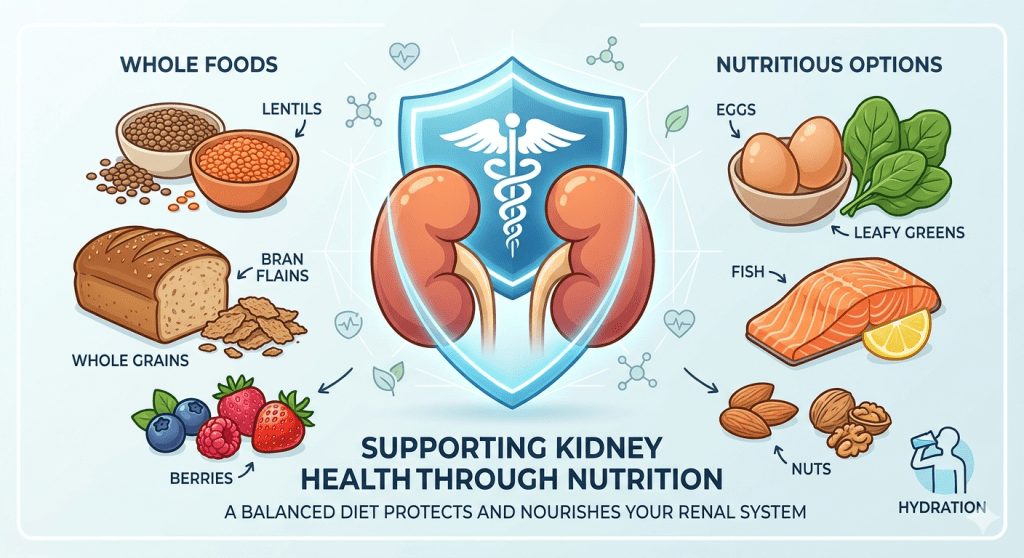
This myth has been around for years.
For healthy individuals, high-protein diets are generally safe. There is no strong evidence that protein harms kidney function in people without pre-existing kidney disease.
However, if someone already has kidney issues, then protein intake needs to be monitored carefully.
Reality: Protein isn’t harmful — but context matters.
Myth 3: “You Need Protein Supplements to Stay Healthy”
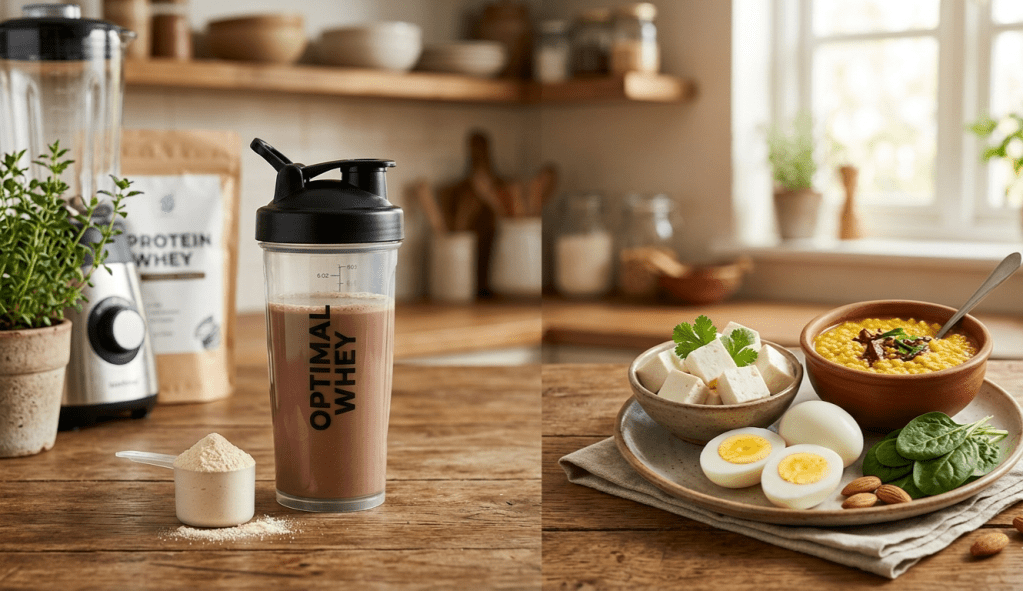
Protein powders are convenient, but they are not necessary.
You can easily meet your protein needs through whole foods like:
• Lentils
• Paneer
• Eggs
• Chicken
• Nuts and seeds
Supplements are just that — supplements, not replacements.
Reality: Food first, supplements second.
Myth 4: “Plant Protein Is Inferior to Animal Protein”
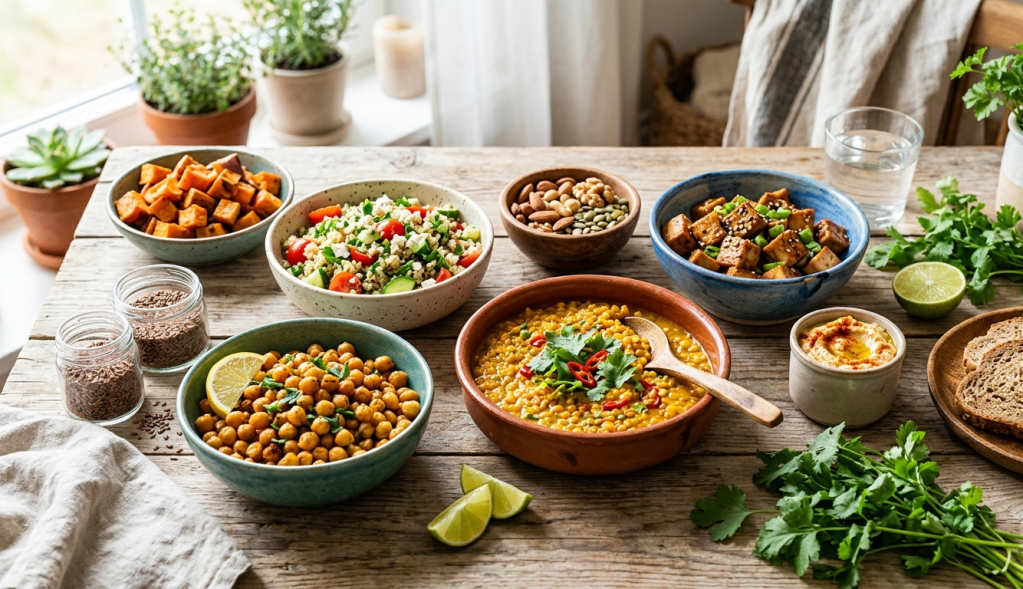
Many people believe plant protein is “incomplete.”
While some plant proteins lack certain amino acids, combining foods like:
• Rice + dal
• Hummus + roti
can provide a complete amino acid profile.
Reality: A well-planned vegetarian diet can meet all protein needs.
Myth 5: “High-Protein Diets Help You Lose Weight Faster”
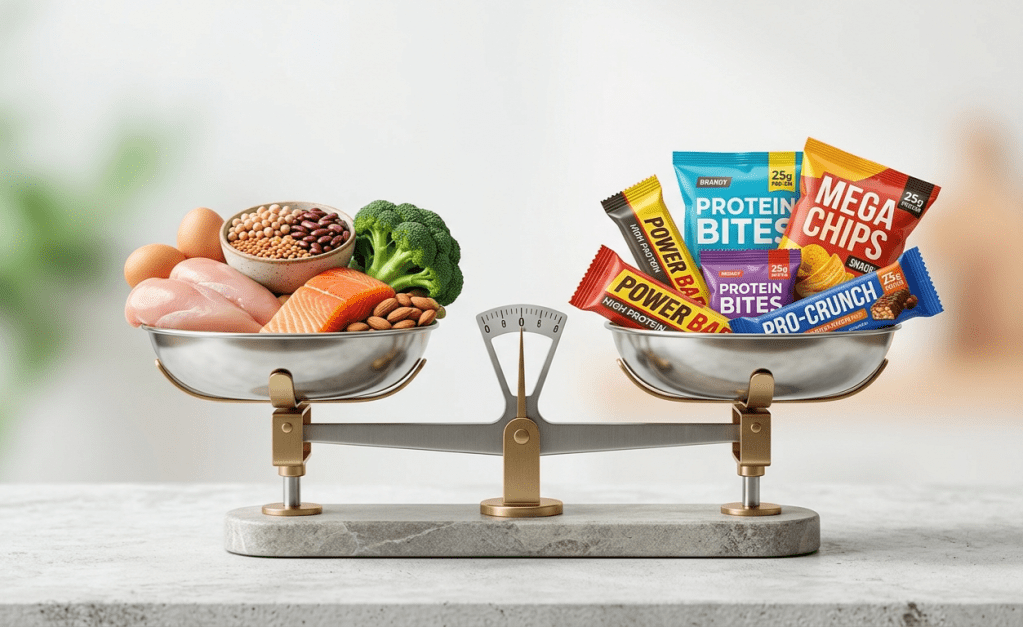
Protein does help with:
• Satiety (feeling full)
• Reducing cravings
But weight loss still depends on a calorie deficit.
Overeating protein-rich foods can still lead to weight gain.
Reality: Protein helps — but it’s not magic.
Most Googled Questions About Protein (Answered)
1. How much protein do I actually need?

This depends on your lifestyle:
• Sedentary: ~0.8 g per kg body weight
• Active: 1.2–1.6 g per kg
• Muscle building: up to 2.2 g per kg
Example: If you weigh 60 kg, you need roughly 48–96 g per day depending on activity.
2. Can I eat all my protein in one meal?
Technically yes — but it’s not optimal.
Your body absorbs protein better when distributed throughout the day.
Best approach: Divide protein across meals for better muscle synthesis.
3. Is too much protein bad for digestion?
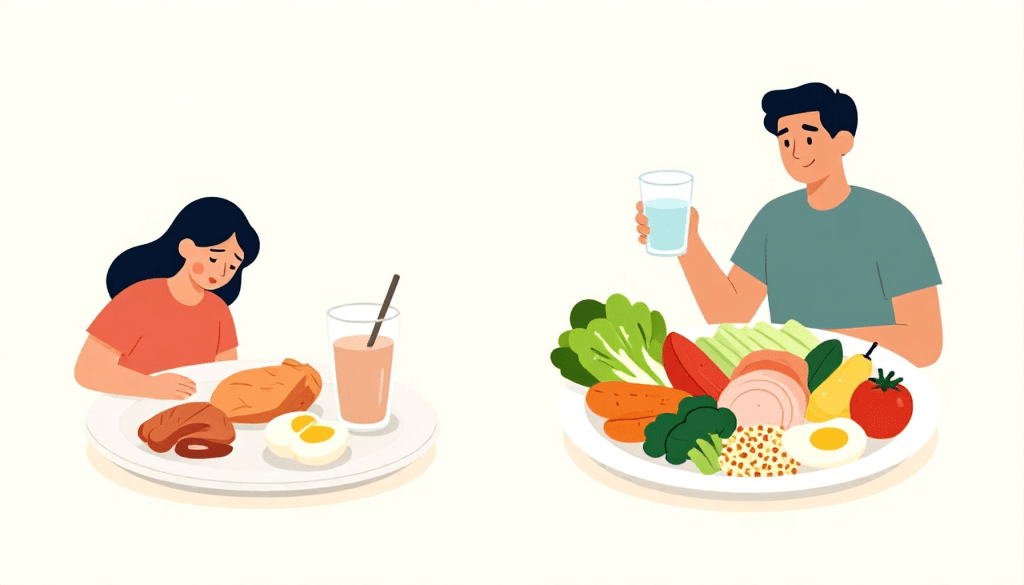
It can be — if:
• Fiber intake is low
• Water intake is insufficient
High-protein diets without balance can cause:
• Constipation
• Bloating
Tip: Always pair protein with fiber and hydration.
4. Do I need protein after a workout?

Yes — but the “30-minute anabolic window” is overhyped.
Your body can benefit from protein intake within a few hours post-workout.
Focus on consistency, not urgency.
5. Are protein bars and packaged foods healthy?
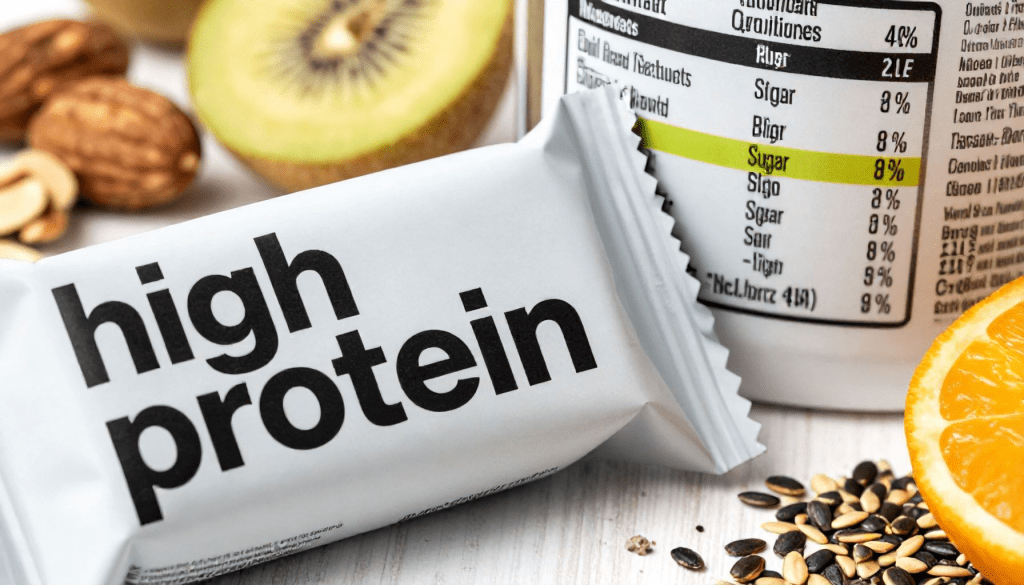
Not always.
Many “high-protein” products:
• Contain added sugars
• Are highly processed
• Use marketing gimmicks
Rule: Always check the ingredient list, not just the protein label.
6. Can vegetarians get enough protein?
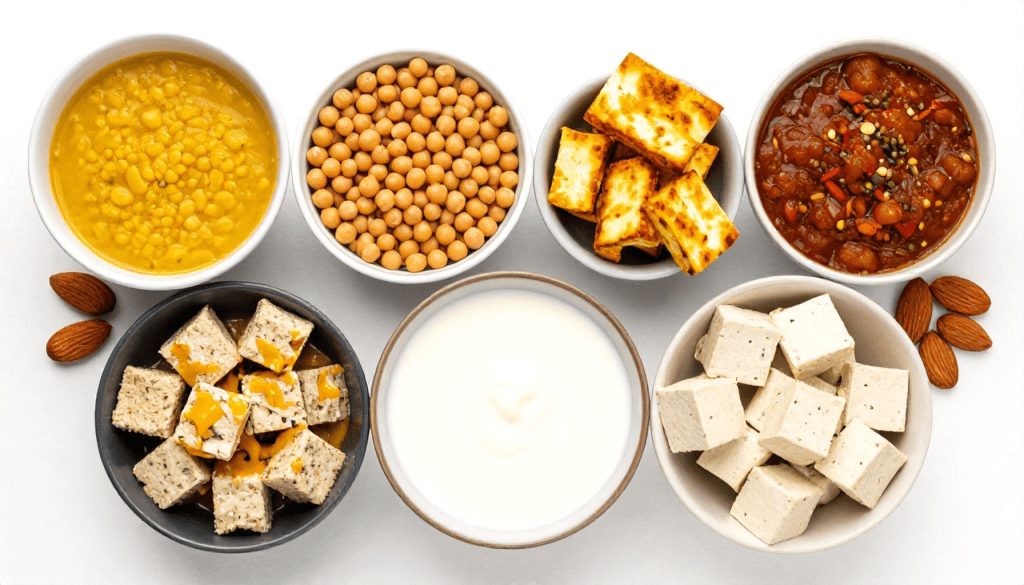
Absolutely.
Some great vegetarian protein sources:
• Dal, chickpeas, rajma
• Paneer, curd
• Soy products
• Nuts and seeds
Diversity is key.
7. Does protein help in hair and skin health?

Yes — protein supports:
• Hair structure (keratin)
• Skin repair
But it’s not the only factor. Vitamins, minerals, and hydration also play a major role.
Protein is one piece of the puzzle, not the whole picture.
The Real Truth About Protein
Protein is essential — but the obsession around it has created unnecessary fear and confusion.
Here’s what actually matters:
• Meeting your daily requirement (not exceeding blindly)
• Choosing whole food sources
• Maintaining a balanced diet
• Not falling for marketing hype
Final Thoughts
Protein is powerful — but it’s not magic.
In today’s world of “high-protein everything,” it’s easy to get carried away. But real health doesn’t come from trends — it comes from balance, awareness, and consistency.
Instead of asking: “How can I eat more protein?”
Start asking: “Am I eating the right amount for my body?”
 Holistic Living with Dr.Deepti
Leave a comment