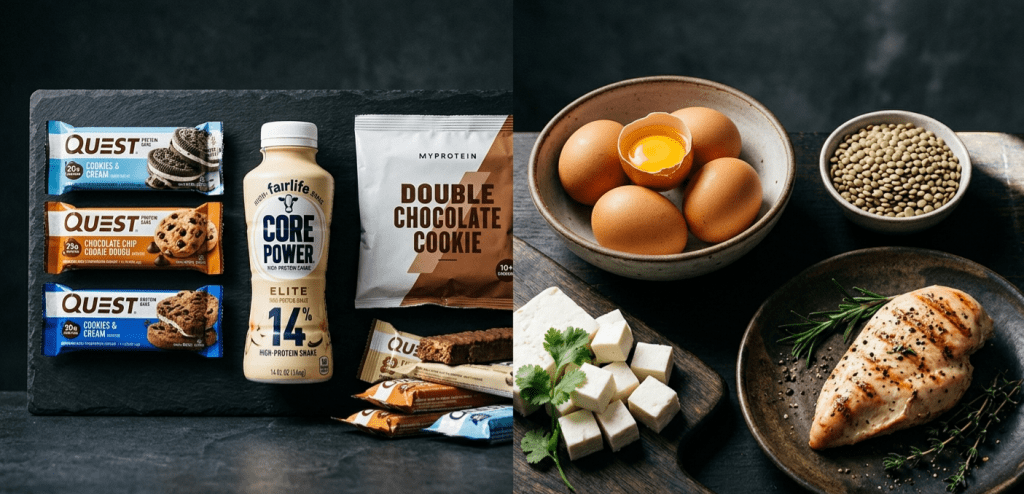
Walk into any supermarket today and you’ll notice a clear pattern—everything is “high-protein.” From protein water and protein cookies to protein chips and even protein ice cream, the nutrient has moved far beyond gym culture into mainstream lifestyle branding.
Social media influencers, fitness coaches, and even doctors emphasize protein as the cornerstone of a healthy diet. But this raises an important question: is this protein obsession truly a health revolution, or is it largely a marketing gimmick?
Let’s break it down.
The Rise of Protein Culture
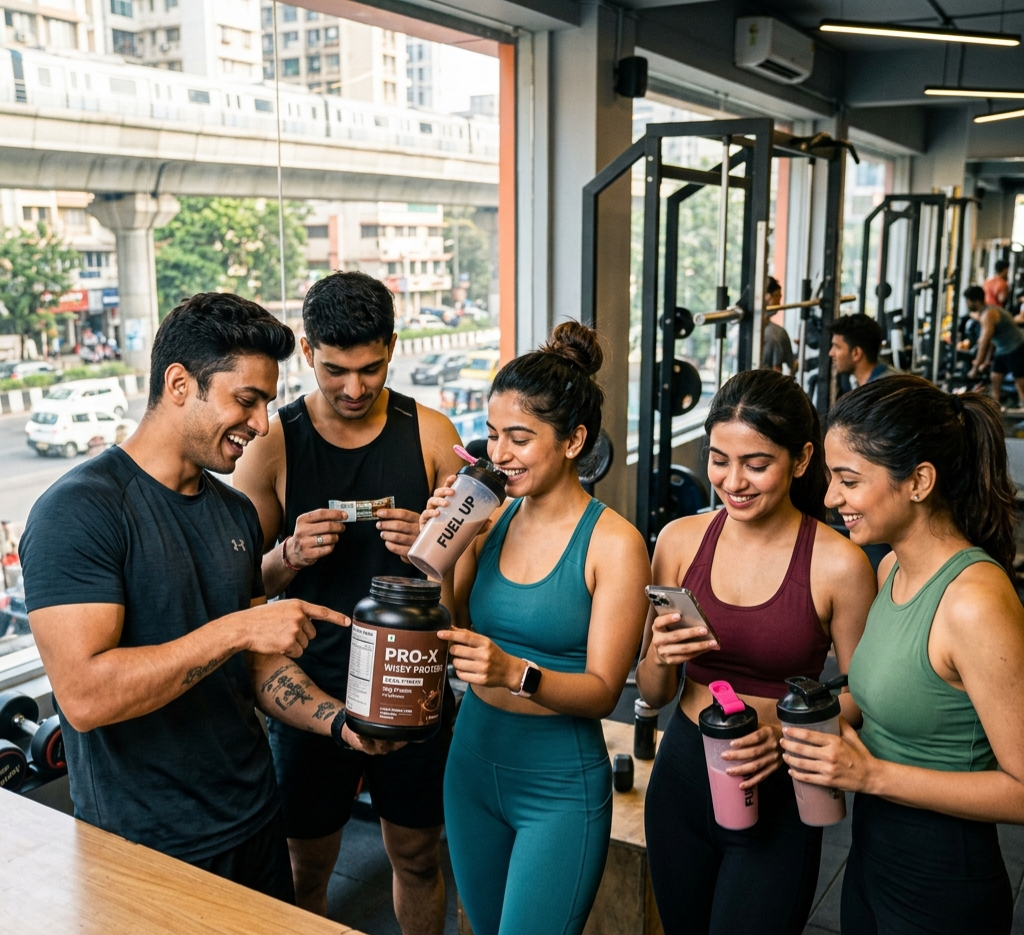
Protein has always been an essential macronutrient, responsible for muscle repair, enzyme production, hormone balance, and overall body function. However, in recent years, it has gained celebrity status in the nutrition world.
There are a few reasons behind this surge:
• Fitness Awareness Boom: More people are hitting gyms, following fitness influencers, and focusing on body composition rather than just weight loss.
• Weight Loss Trends: High-protein diets are known to increase satiety, helping people feel full longer and reduce overall calorie intake.
• Convenience Culture: Busy lifestyles have created demand for quick, easy nutrition—protein bars and shakes fit perfectly into this gap.
While these factors are valid, they’ve also opened the door for aggressive marketing.
The Science: Why Protein Matters
Before labeling it as hype, it’s important to understand that protein is crucial.
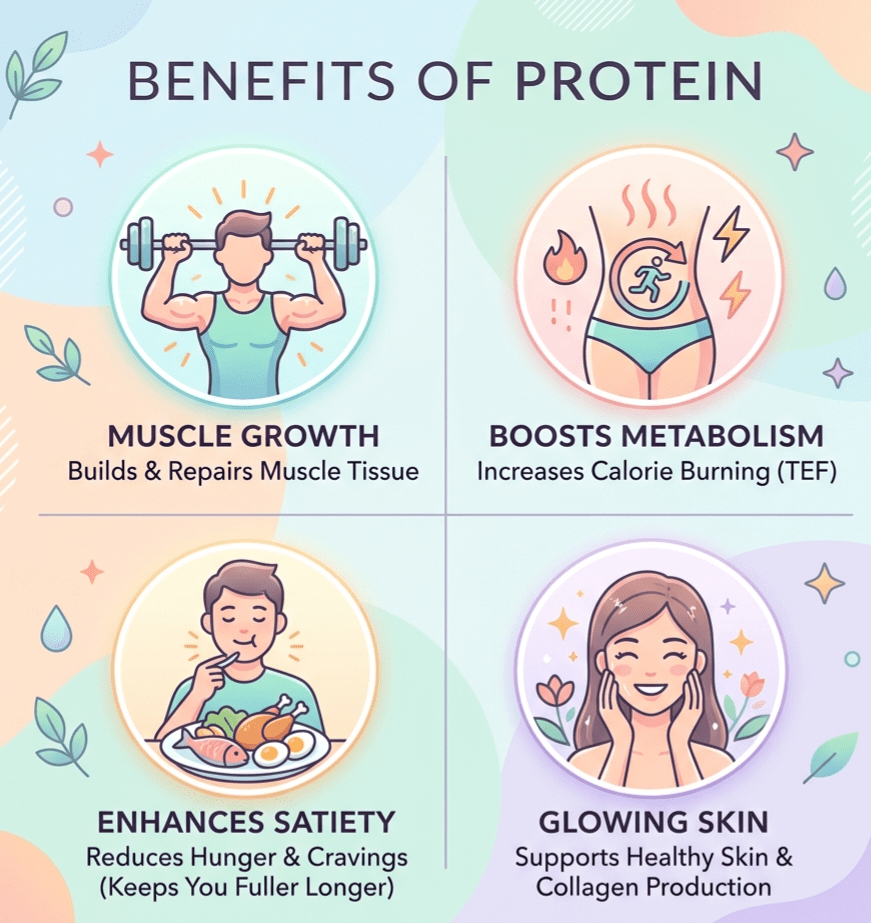
Some key benefits include:
• Muscle Maintenance & Growth: Essential for repairing tissues, especially after workouts.
• Satiety & Weight Management: Helps control hunger hormones.
• Metabolism Boost: Protein has a higher thermic effect compared to fats and carbohydrates.
• Overall Health: Plays a role in immunity, skin, hair, and hormone health.
For the average adult, the recommended intake is roughly 0.8–1 gram per kg of body weight, but this can increase depending on activity level, age, and health goals.
So yes, protein deserves attention—but not obsession.
Where the Problem Begins
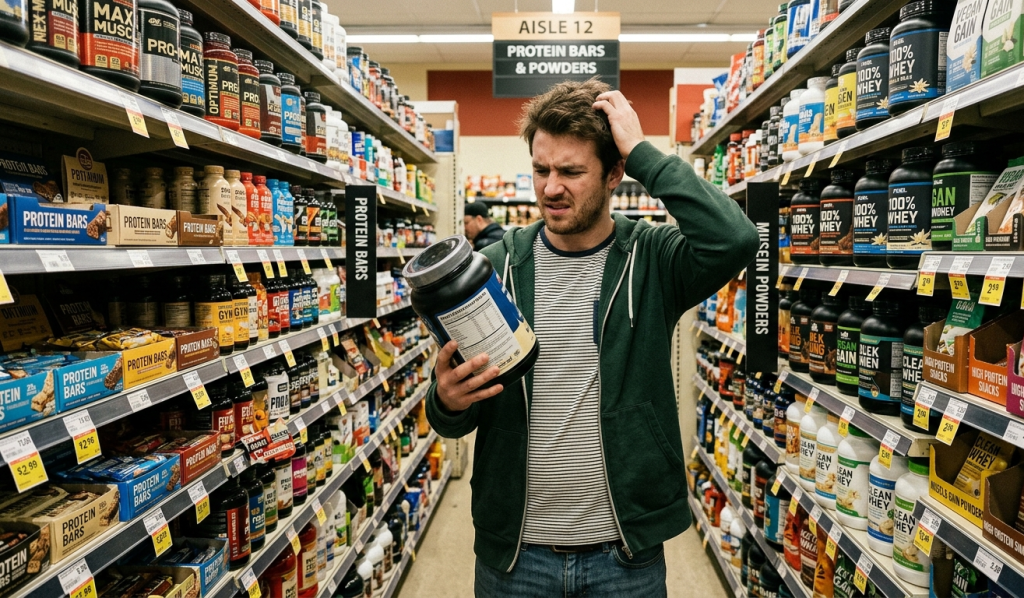
The issue isn’t protein itself—it’s how it’s being marketed and consumed.
1. “More is Always Better” Myth
Many brands and influencers push the idea that higher protein intake equals better health or faster results. This is misleading.
Excess protein:
• Doesn’t automatically convert to muscle
• Can lead to unnecessary calorie intake
• May strain kidneys in people with pre-existing conditions
2. Ultra-Processed Protein Foods
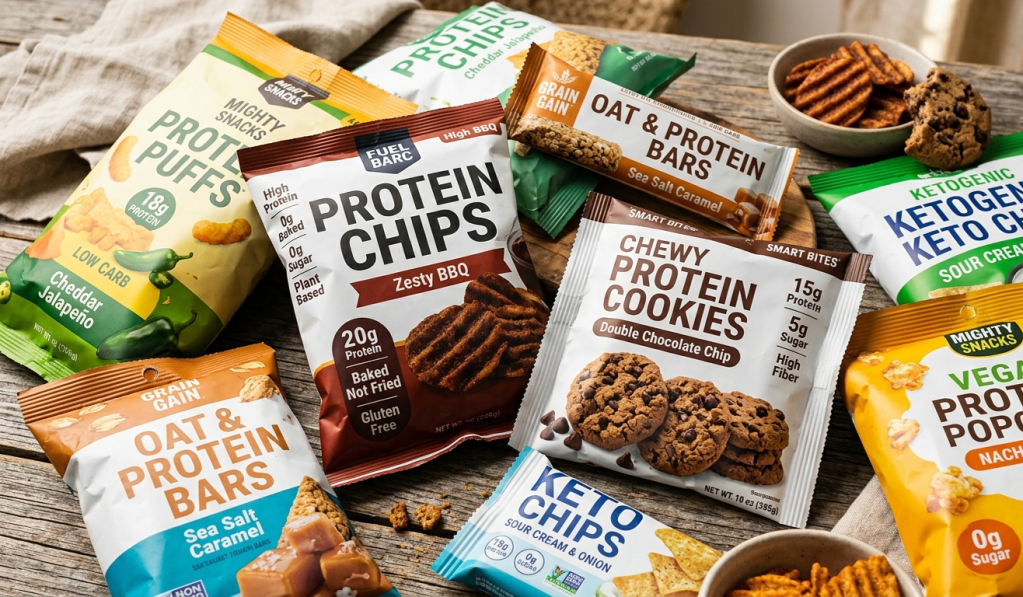
Protein chips, cookies, and desserts are often marketed as “healthy alternatives.” But in reality:
• They may contain artificial additives, preservatives, and sweeteners
• Protein content is sometimes marginal compared to whole foods
• They can create a false sense of healthy eating
A protein cookie is still a cookie.
3. Fear-Based Marketing
Many campaigns subtly suggest:
• “You’re not getting enough protein”
• “Your diet is incomplete without supplements”
This creates anxiety and pushes unnecessary purchases, especially among beginners.
Whole Foods vs Packaged Protein
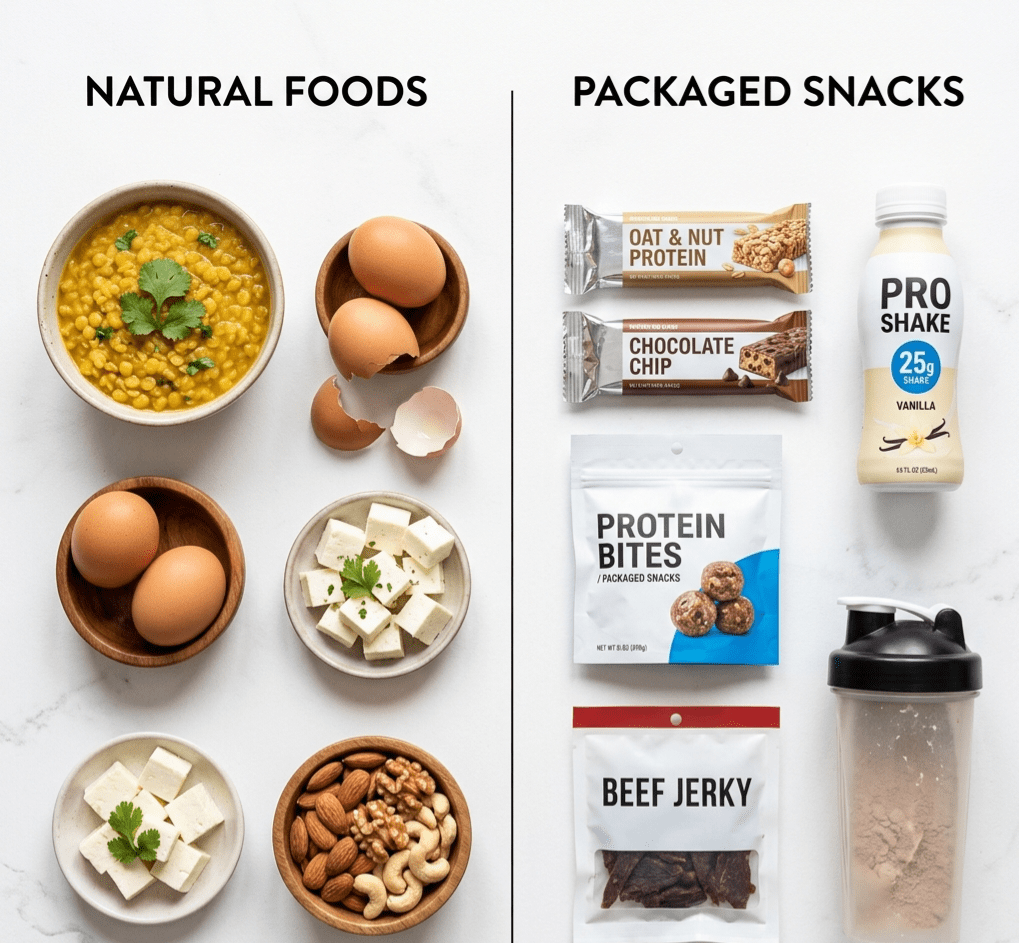
One major shift we’re seeing is people moving away from natural protein sources toward packaged ones.
Whole food sources:
• Eggs
• Lentils (dal)
• Paneer
• Chicken & fish
• Nuts & seeds
These provide not just protein, but also vitamins, minerals, and fiber.
Packaged protein products:
• Often isolate protein and remove other nutrients
• May include hidden sugars or unhealthy fats
• Are more about convenience than complete nutrition
The reality is simple: if your diet includes balanced meals, you may not need fancy protein products at all.
The Role of Protein Powders
Protein powders are not inherently bad. In fact, they can be useful:
• For people with high protein requirements (athletes, gym-goers)
• For those struggling to meet daily intake through food
• For convenience in busy schedules
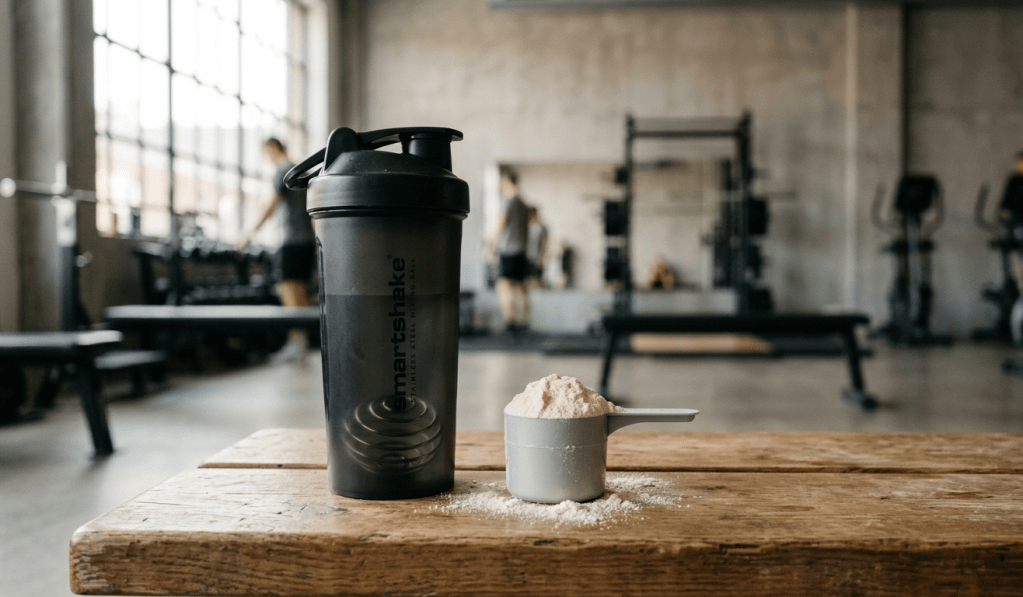
However, they are supplements, not replacements.
The problem arises when:
• People rely entirely on shakes instead of meals
• Beginners consume them without understanding their actual needs
• Marketing makes them seem essential for everyone
Is India Facing a Protein Deficiency?
Interestingly, in countries like India, there is some truth behind the protein push.
Studies suggest that a significant portion of the population does not meet daily protein requirements due to:
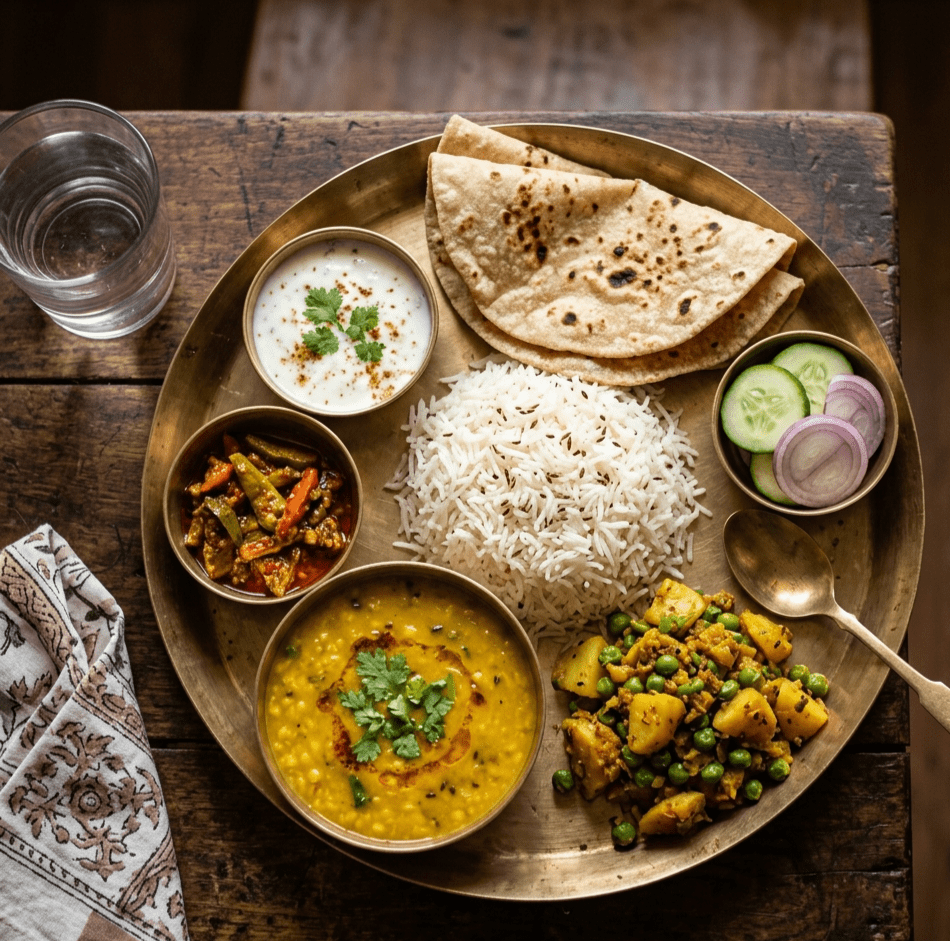
• Carb-heavy diets (rice, roti dominant)
• Limited awareness
• Vegetarian dietary patterns lacking diversity
So yes, increasing protein awareness is important—but it should be done through education, not exaggeration.
Finding the Balance
So, is protein a revolution or a gimmick?
It’s both.
• Revolution: Because people are finally understanding the importance of macronutrients and moving towards better nutrition.
• Gimmick: Because companies are capitalizing on this awareness to sell overpriced, unnecessary products.
The key lies in balance.
What You Should Actually Do
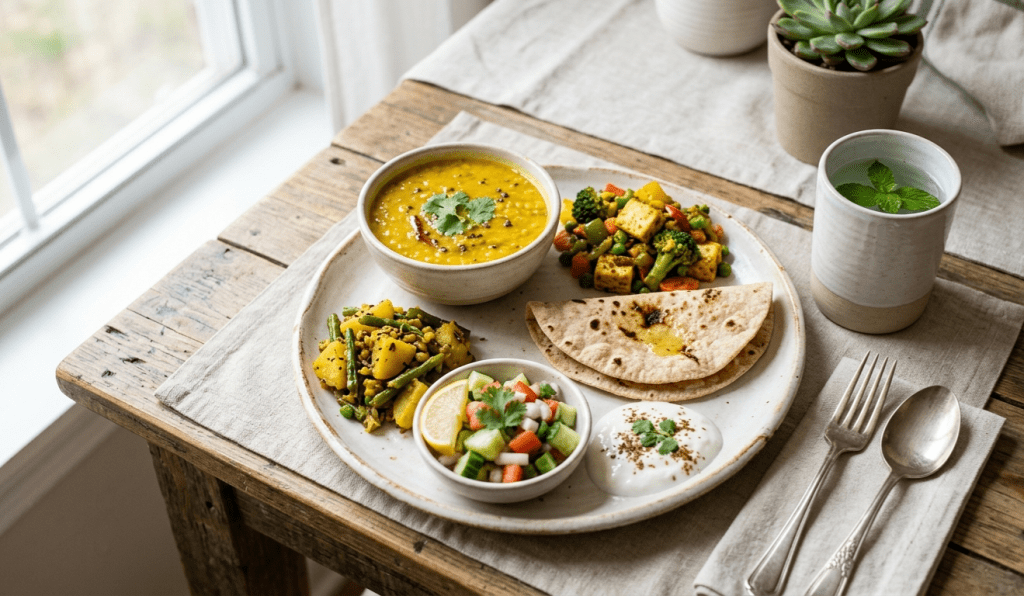
Instead of getting caught in the protein hype, focus on these practical steps:
1. Assess Your Needs
○ Not everyone needs high protein intake.
○ Consider your lifestyle, activity level, and goals.
2. Prioritize Whole Foods
○ Build meals around natural protein sources.
○ Think: dal + rice, roti + paneer, eggs, curd, sprouts.
3. Use Supplements Wisely
○ Only if needed, not because it’s trending.
4. Read Labels Carefully
○ Don’t fall for “high-protein” claims without checking ingredients.
5. Focus on Overall Diet
○ Protein alone won’t fix poor eating habits.
Final Thoughts
Protein is essential, powerful, and beneficial—but it’s not magic.
The current obsession reflects a positive shift towards health awareness, but also highlights how easily nutrition can be commercialized. Instead of blindly following trends, the smarter approach is to stay informed, eat balanced meals, and understand your body’s actual needs.
Because at the end of the day, health isn’t built on a single nutrient—it’s built on consistency, balance, and mindful choices.
 Holistic Living with Dr.Deepti
Leave a comment