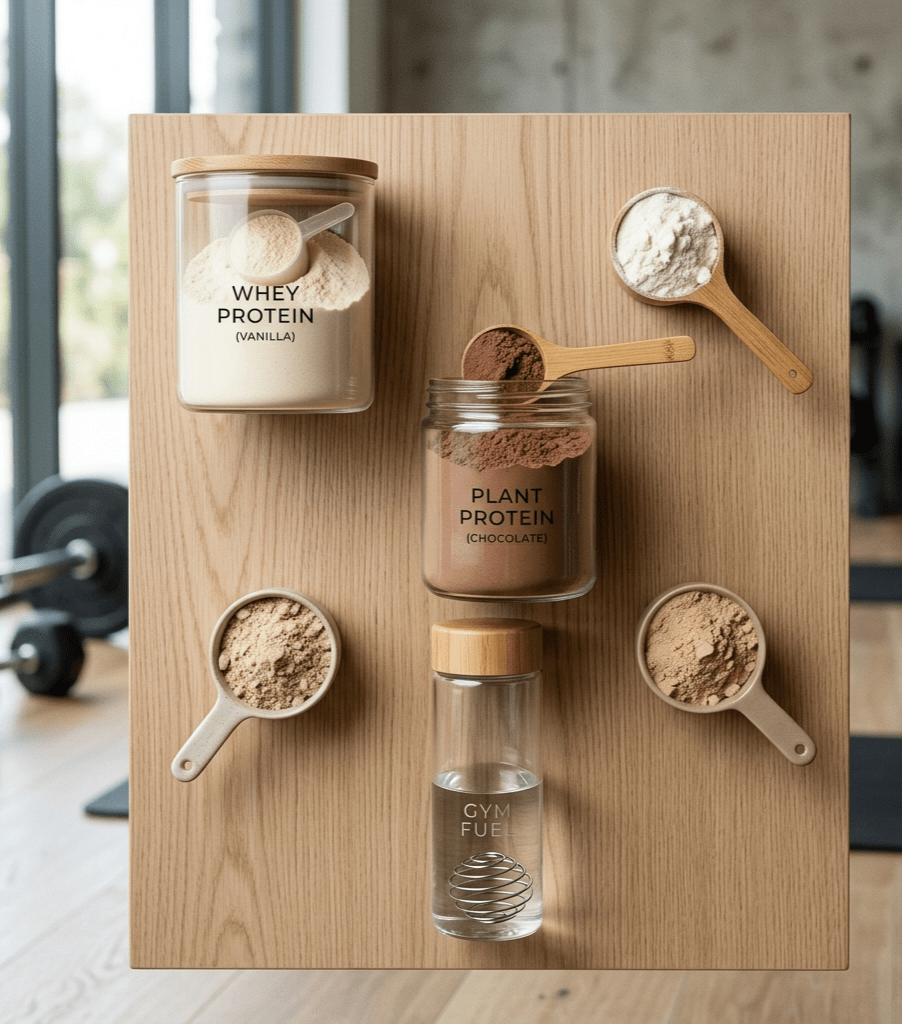
Walk into any health store or scroll through Instagram, and you’ll find endless options of protein powders—whey, plant-based, isolate, concentrate, flavored, unflavored… the list goes on.
But here’s the truth: not everyone needs protein powder, and not all protein powders are created equal.
If you’re confused about what to choose, how much to take, and whether you even need it—this guide is for you.
What is Protein Powder?
Protein powder is simply a concentrated source of protein derived from animal or plant sources. It’s designed to help you meet your daily protein requirements conveniently.
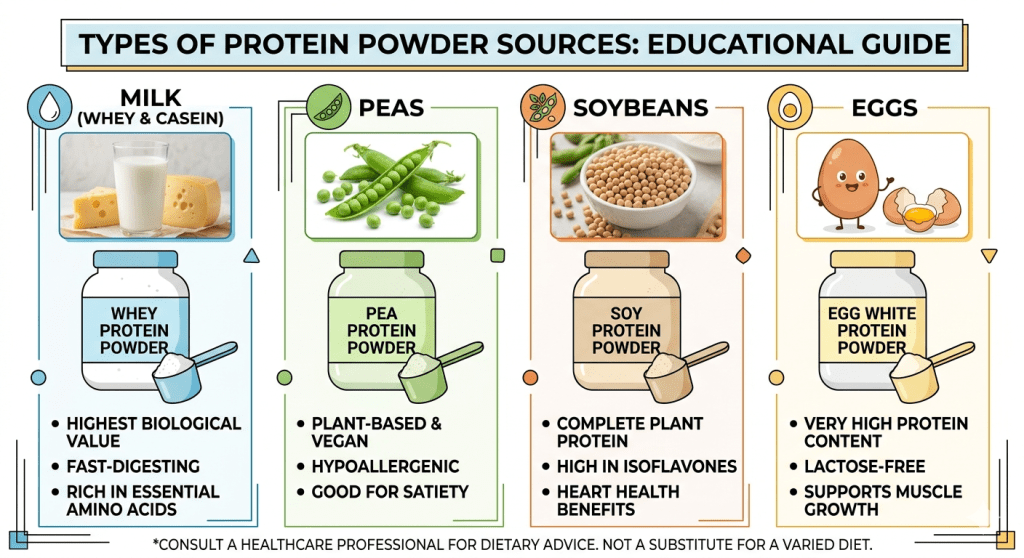
Common types include:
• Whey Protein (from milk)
• Casein Protein (slow-digesting milk protein)
• Plant-Based Protein (pea, soy, brown rice, hemp)
• Egg Protein
It’s not a “magic supplement”—it’s just food in powdered form.
Do You Actually Need Protein Powder?
Before buying any supplement, ask yourself this:
Am I already meeting my protein needs through food?
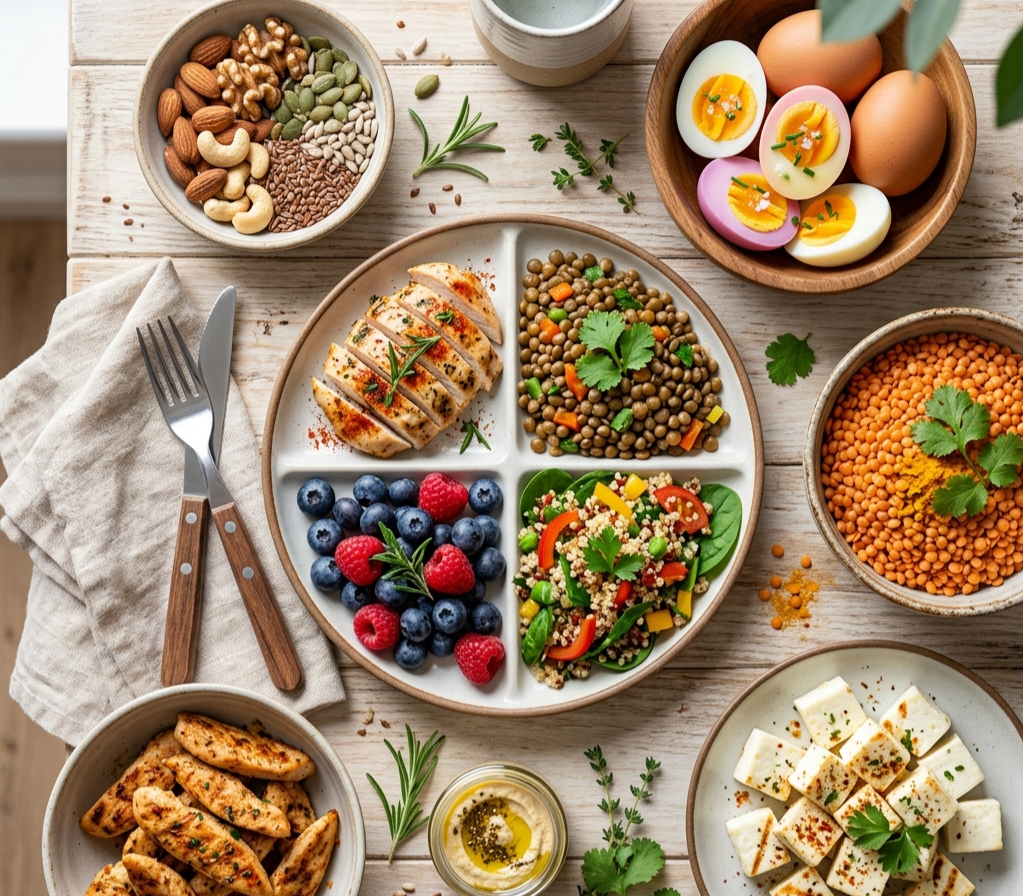
Most people can get enough protein from:
• Eggs
• Dairy (milk, curd, paneer)
• Lentils & legumes
• Chicken, fish
• Nuts & seeds
However, protein powder can be helpful if:
• You have a busy lifestyle
• You struggle to meet protein intake
• You’re into fitness or strength training
• You’re in a calorie deficit (fat loss phase)
• You’re vegetarian/vegan with limited protein sources
Bottom line: It’s a supplement, not a necessity.
How Much Protein Do You Need?
Your protein requirement depends on your lifestyle:
• Sedentary: 0.8–1 g per kg body weight
• Moderately active: 1–1.2 g/kg
• Active / gym-goers: 1.2–2 g/kg

Example:
If you weigh 60 kg and work out regularly → you need around 72–120 grams of protein daily
Protein powder can help you fill the gap, not replace meals.
Types of Protein Powders Explained
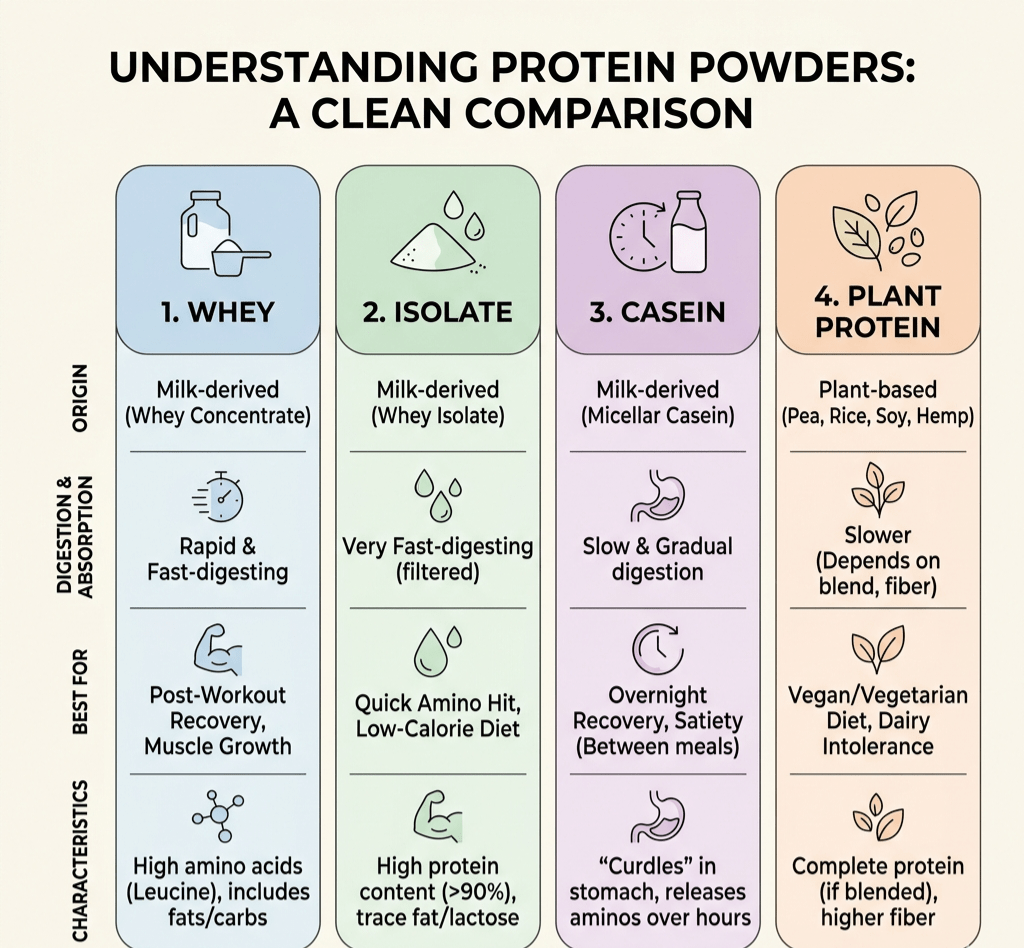
1. Whey Protein
• Fast-digesting
• Ideal post-workout
• High in essential amino acids
Best for: Gym-goers and beginners
2. Whey Isolate
• More refined than whey concentrate
• Lower in fat & lactose
• Higher protein percentage
Best for:
• Lactose-sensitive individuals
• Fat loss phases
3. Casein Protein
• Slow digestion
• Provides sustained protein release
Best for: Night-time consumption
4. Plant-Based Protein
• Dairy-free
• Made from peas, rice, soy, etc.
Best for:
• Vegans
• People with lactose intolerance
How to Choose the Right Protein Powder
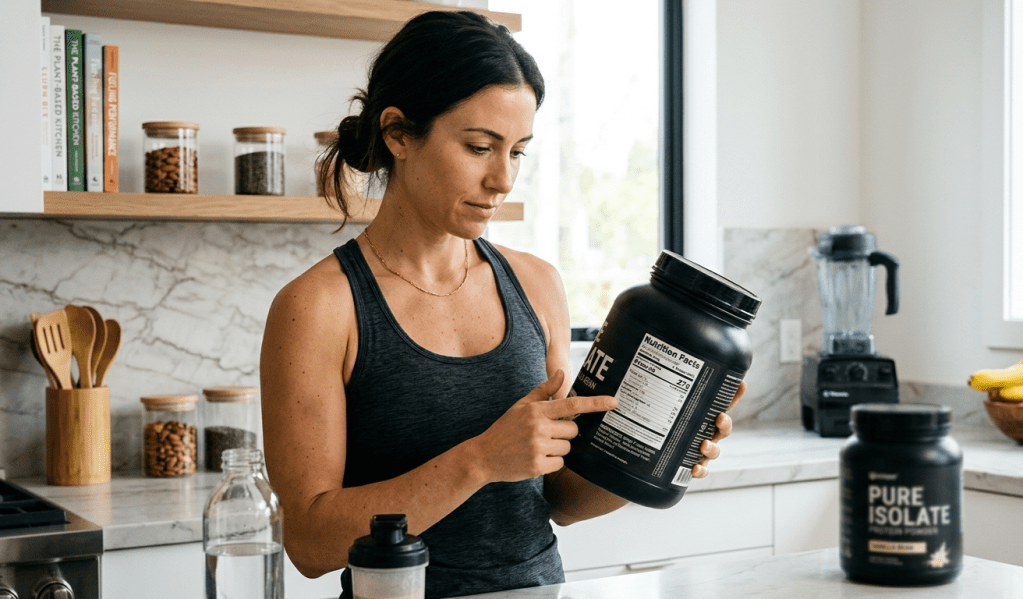
This is where most people go wrong
1. Check the Ingredient List
• Fewer ingredients = better
• Avoid too many artificial additives
2. Protein Content per Scoop
Look for:
• At least 20–25g protein per serving
3. Avoid Excess Sugar
Some powders are loaded with sugar and fillers.
Always check:
• Added sugars
• Artificial sweeteners
4. Third-Party Testing
Choose brands that are:
• Lab-tested
• Certified for quality and safety
5. Digestibility Matters
If you experience:
• Bloating
• Acne
• Discomfort
Switch to isolate or plant protein
Common Myths About Protein Powder
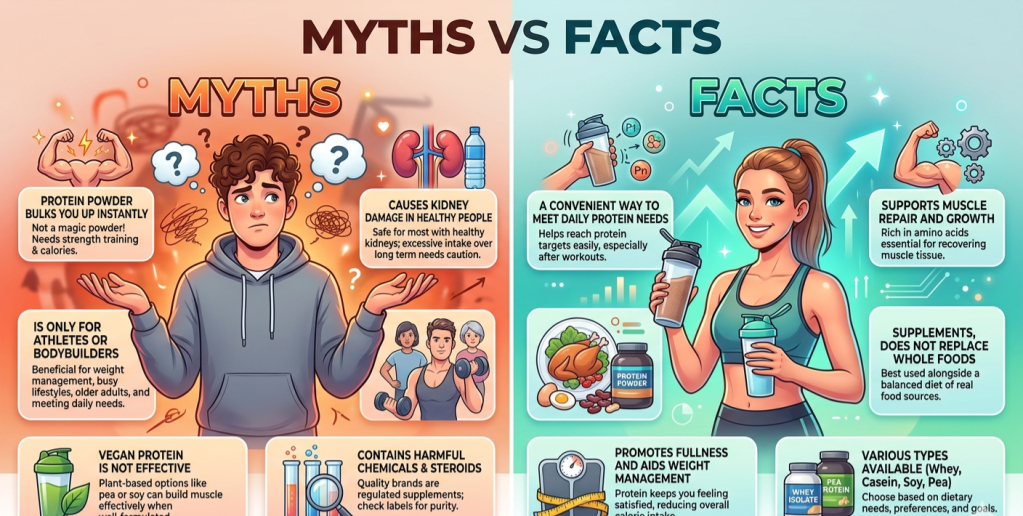
❌ “Protein powder damages kidneys”
Not true for healthy individuals when taken in recommended amounts.
❌ “More protein = more muscle”
Your body can only utilize a certain amount. Excess doesn’t equal faster results.
❌ “Protein powder causes weight gain”
Only if you consume excess calories overall.
❌ “It’s only for bodybuilders”
No. It’s for anyone who needs help meeting protein intake.
When Should You Take Protein Powder?
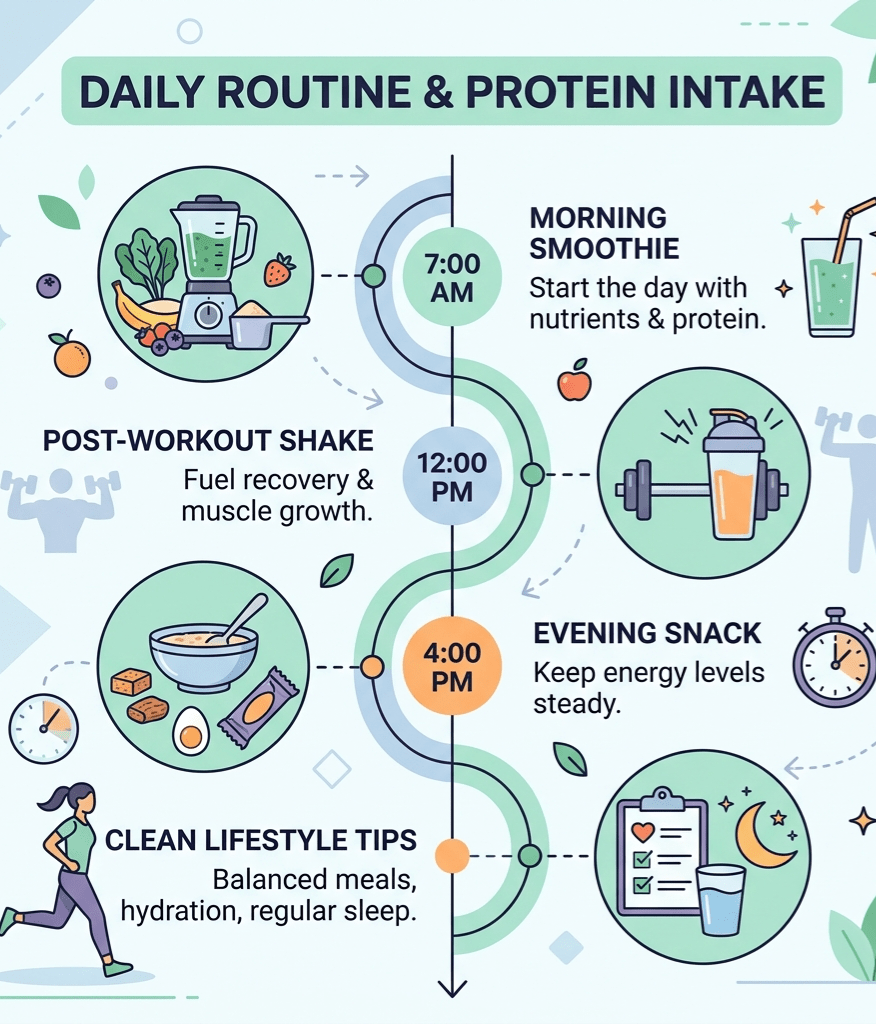
Timing is flexible, but common options include:
• Post-workout → Muscle recovery
• Breakfast → Keeps you full longer
• Between meals → Prevents overeating
Consistency matters more than timing.
Can You Make It Healthier?
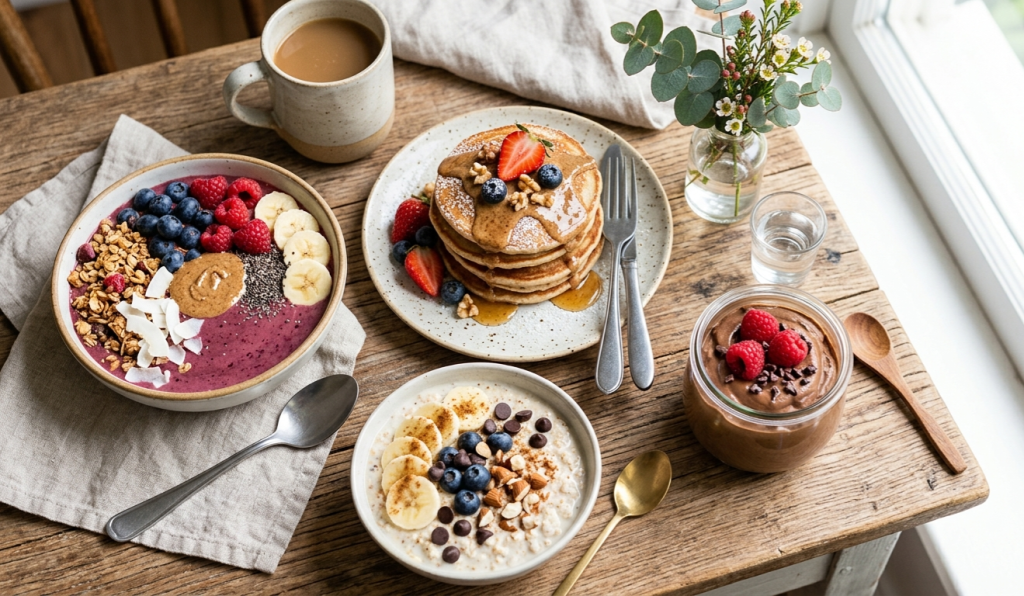
Instead of just mixing with water or milk, try:
• Protein smoothies with fruits
• Oats + protein powder
• Homemade protein ice cream
• Pancakes or energy balls
This makes it more enjoyable and nutritious.
Final Thoughts

Protein powder is not a shortcut—it’s a support tool.
Before buying:
✔ Understand your body’s needs
✔ Prioritize whole foods
✔ Choose quality over hype
Remember:
Your health doesn’t depend on supplements—it depends on your habits.
 Holistic Living with Dr.Deepti
Leave a comment