In a fast-moving world obsessed with hustle culture, productivity hacks, and instant gratification, the Japanese lifestyle stands out as a quiet revolution. It is not loud, flashy, or aggressive. Instead, it is intentional, minimal, and deeply rooted in harmony.
Japan blends centuries-old philosophy with modern innovation, creating a way of living that supports longevity, mental clarity, discipline, and inner peace.
From the serene temples of Kyoto to the neon-lit streets of Tokyo, the Japanese way of life reflects balance — between tradition and progress, discipline and softness, individuality and community.
Let’s explore what makes the Japanese lifestyle so powerful — and how you can integrate it into your own life.
1. Ikigai: Living with Purpose
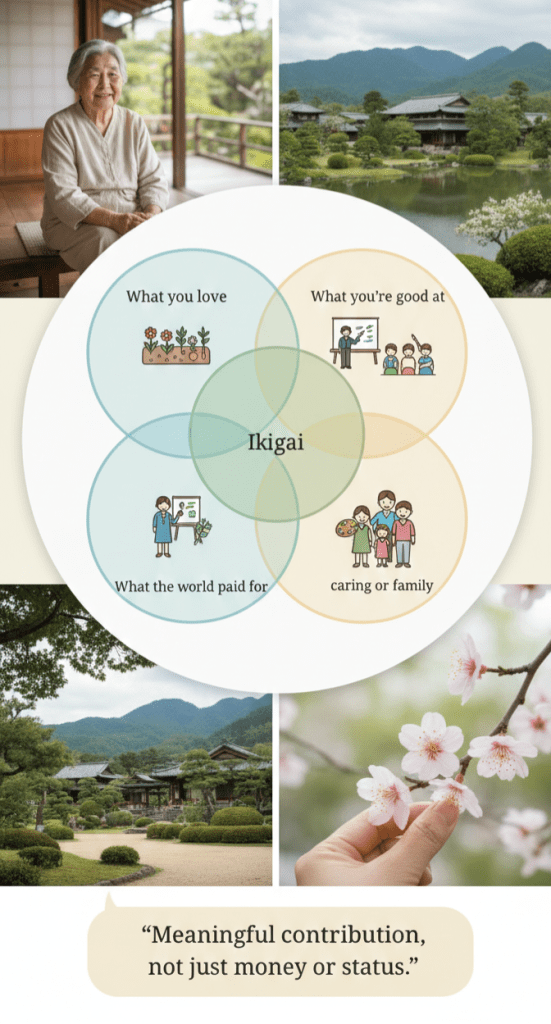
One of the most globally recognized Japanese concepts is Ikigai, meaning “reason for being.” It is the intersection of:
• What you love
• What you’re good at
• What the world needs
• What you can be paid for
Unlike Western culture, which often pushes people to chase money or status, Ikigai emphasizes meaningful contribution. In Okinawa — one of the world’s Blue Zones — many elderly people continue to stay active well into their 90s and 100s because they feel needed and purposeful.
Purpose is not necessarily career-based. It could be gardening, teaching, art, or caring for family. The Japanese lifestyle teaches that fulfillment comes from steady devotion to something meaningful, not from dramatic achievements.
2. Minimalism: Less Clutter, More Peace
Japanese homes are known for their simplicity — low furniture, neutral tones, sliding doors, open spaces. This aesthetic is deeply influenced by Zen Buddhism.
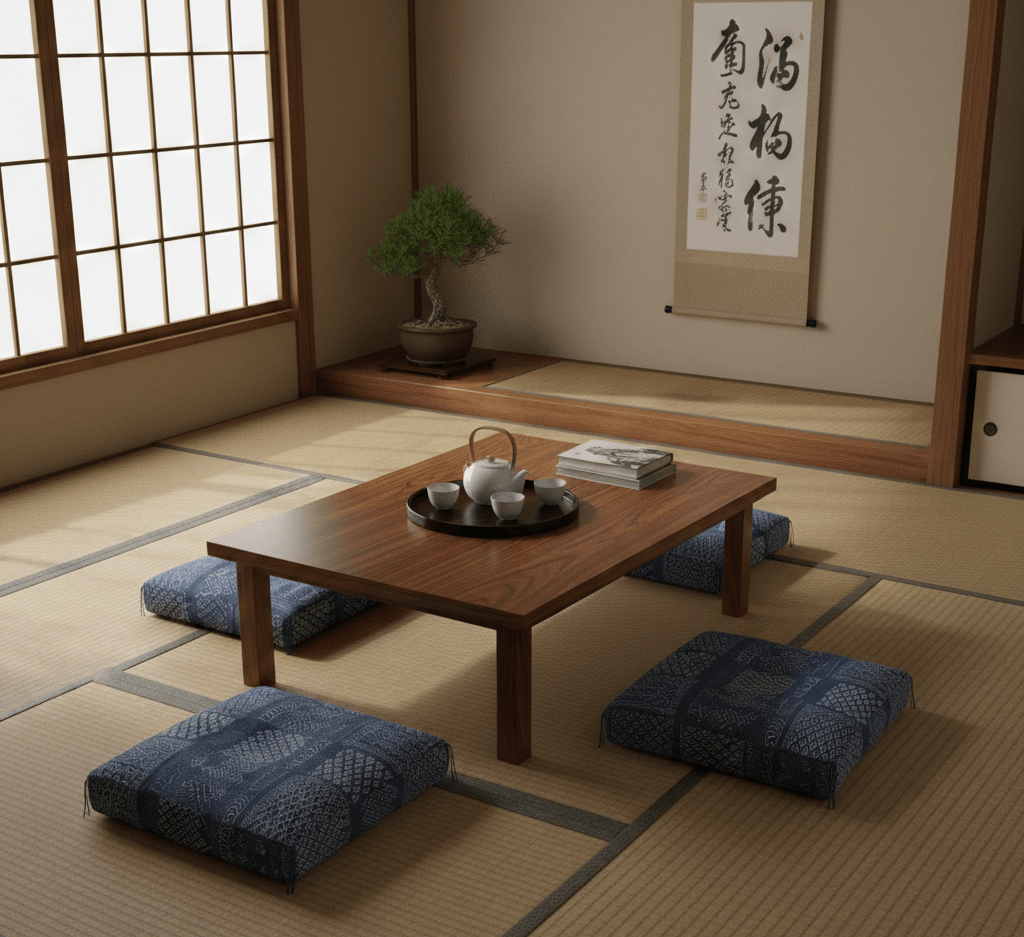
Minimalism in Japan is not about deprivation. It is about clarity. Owning fewer things reduces decision fatigue, stress, and distraction.
The philosophy of Ma (間) — the beauty of empty space — teaches that emptiness is not absence. It is potential.
When your physical environment is calm, your mind becomes calm.
Practical takeaway:
• Declutter regularly
• Choose quality over quantity
• Keep only what adds value or joy
3. Wabi-Sabi: Embracing Imperfection
In contrast to social media’s obsession with perfection, the Japanese embrace Wabi-Sabi — finding beauty in imperfection and transience.
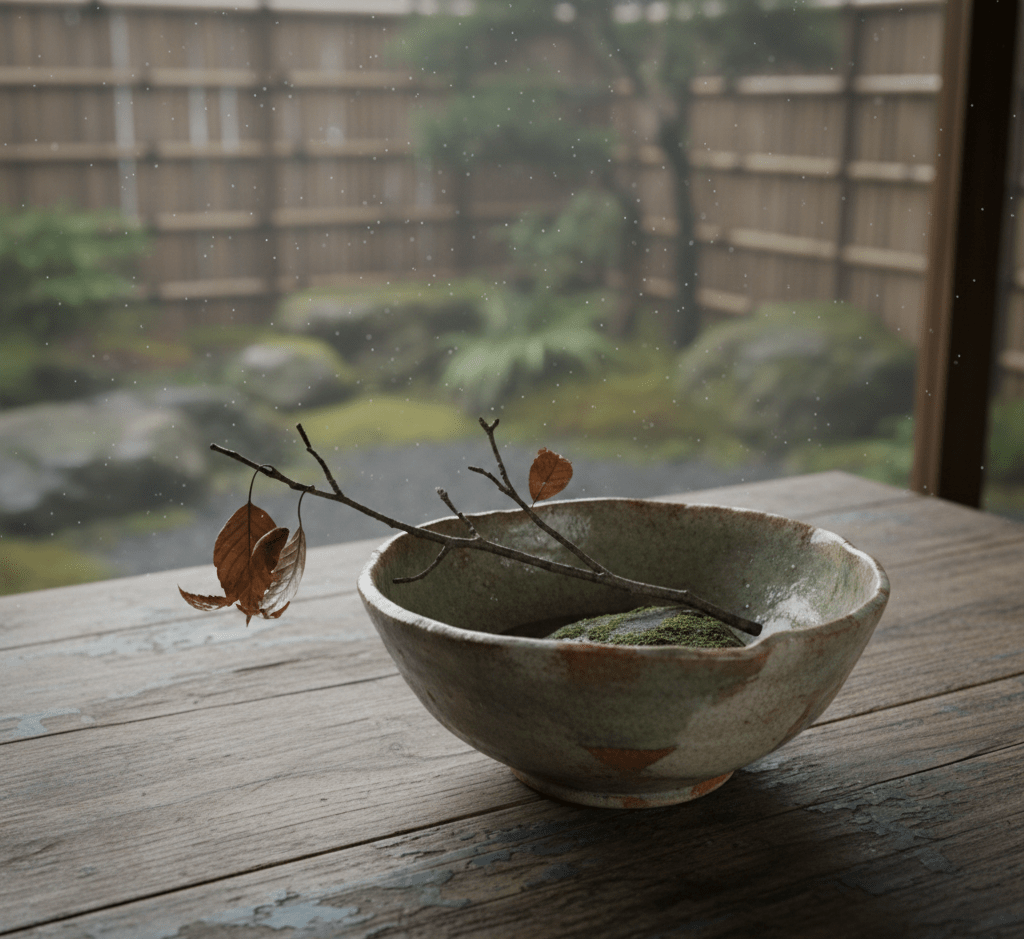
A cracked ceramic bowl repaired with gold (Kintsugi) is considered more beautiful because it tells a story. Scars are not hidden — they are honored.
This mindset reduces anxiety and comparison. You don’t need to be flawless to be valuable.
Applied to daily life:
• Accept aging as natural
• Appreciate handmade, imperfect objects
• Let go of unrealistic standards
Wabi-Sabi cultivates emotional resilience and gratitude.
4. Kaizen: The Power of Small Improvements
Another powerful principle is Kaizen, meaning “continuous improvement.”

Rather than drastic transformations, the Japanese believe in tiny, consistent steps. Whether in business, health, or personal growth, small daily upgrades create long-term success.
This is why Japan has become a global leader in innovation and quality. The same mindset can be applied to:
• Fitness (10 minutes daily instead of 2-hour crash workouts)
• Learning (1 page per day)
• Financial growth (small but consistent investments)
Sustainable change beats extreme effort every time.
5. Mindful Eating and Longevity
Japan consistently ranks among the top countries for life expectancy. The traditional Japanese diet is simple and balanced:
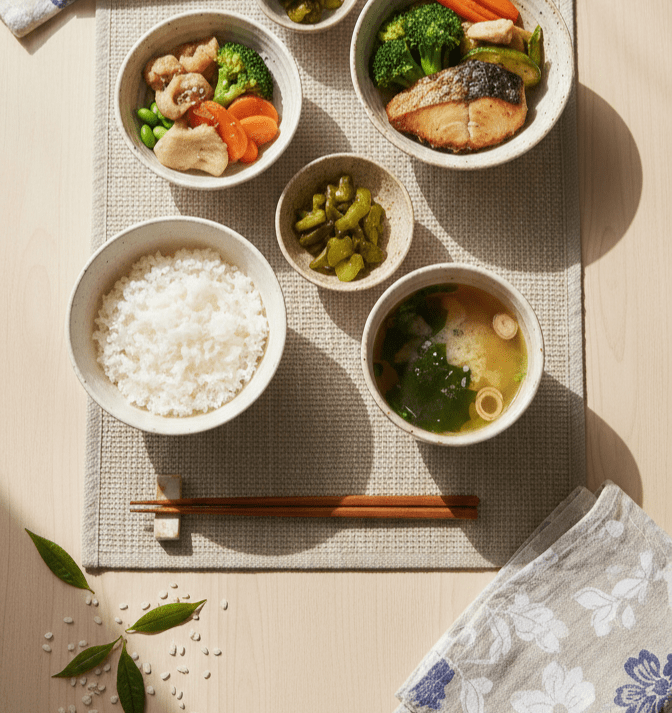
• Fresh vegetables
• Fish
• Fermented foods
• Rice
• Green tea
The principle of Hara Hachi Bu — eating until 80% full — prevents overeating and supports digestion.
Meals are eaten slowly and mindfully, often presented beautifully. Food is not rushed; it is respected.
Key habits you can adopt:
• Eat slowly without screens
• Practice portion control
• Prioritize whole foods
Longevity is not about dieting — it’s about daily discipline.
6. Cleanliness and Discipline
In Japan, cleanliness is a cultural value. Public spaces are spotless — even in busy cities like Osaka. Interestingly, there are very few public trash bins. People carry their waste home.
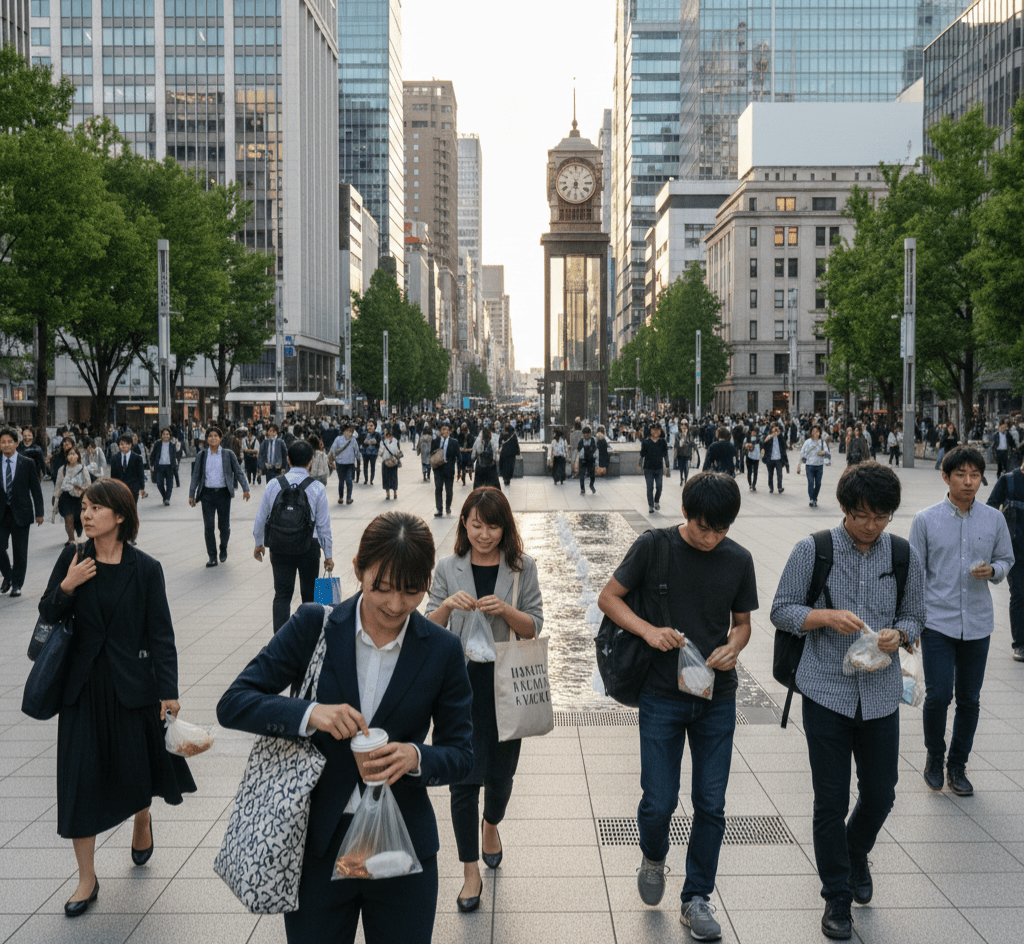
Children in schools clean their classrooms daily. This builds responsibility and respect for shared spaces.
Discipline is not forced — it is normalized.
This collective responsibility creates:
• Low crime rates
• High civic sense
• Organized communities
When people respect their environment, they respect themselves.
7. Forest Bathing (Shinrin-Yoku)
The Japanese practice Shinrin-Yoku, meaning “forest bathing.” It involves immersing yourself in nature to reduce stress and reset your nervous system.

Scientific studies show that spending time in nature:
• Lowers cortisol
• Reduces blood pressure
• Improves immunity
Nature is not seen as separate from life — it is part of healing.
Even if you live in a city, you can:
• Walk in parks
• Add indoor plants
• Take weekend nature breaks
Mental wellness is deeply tied to environmental connection.
8. Respect and Social Harmony
Japanese culture emphasizes Wa — harmony. Social interactions are polite, structured, and respectful.
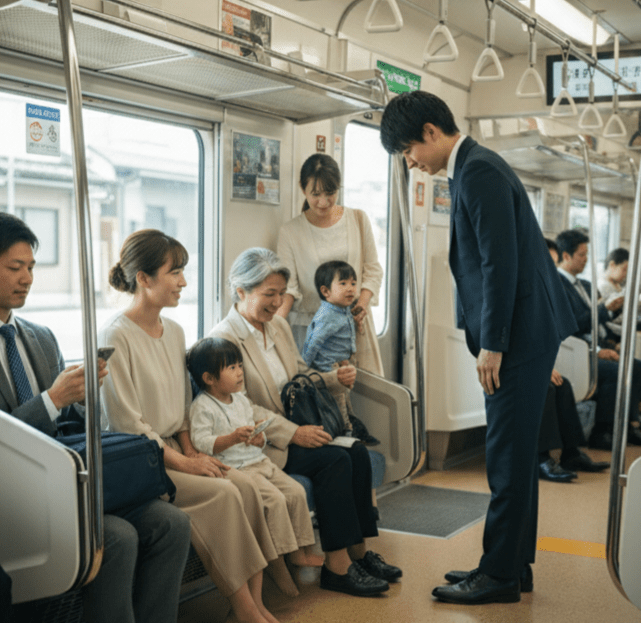
People bow, remove shoes indoors, and speak softly in public transport. There is strong consideration for others.
Individual success does not override community well-being.
This mindset teaches:
• Emotional regulation
• Active listening
• Accountability
Imagine a society where everyone thought: “How will my actions affect others?” That is the foundation of Japanese harmony.
9. Work Ethic and Dedication
Japan is known for its strong work ethic. While work-life balance challenges exist, there is deep pride in craftsmanship — known as Shokunin spirit.
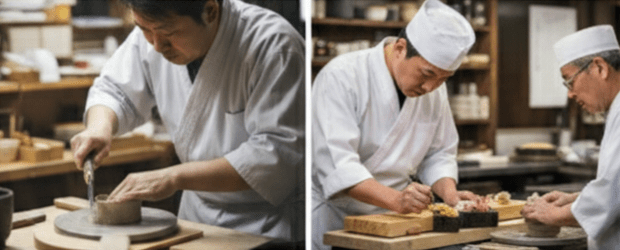
Whether someone is a chef, artisan, or engineer, they commit to mastery. Excellence is not rushed.
Perfection is pursued not for ego — but for honoring the craft.
This mindset encourages:
• Skill development
• Patience
• Long-term mastery
10. Rituals and Seasonal Awareness
Japan celebrates seasons beautifully — cherry blossoms in spring, autumn leaves, snow festivals in winter.
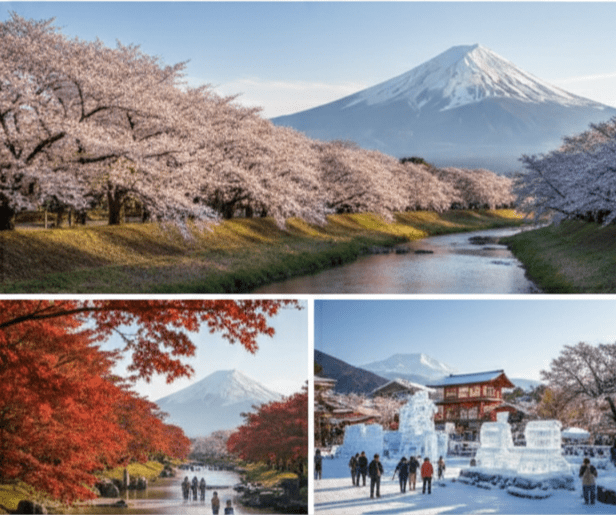
The cherry blossom season (Sakura) symbolizes impermanence — a reminder that life is fleeting and precious.
This seasonal awareness fosters gratitude.
Life is not rushed. It is observed.
How to Apply the Japanese Lifestyle in Your Life
You don’t need to move to Japan to live like this. Start small:
1. Declutter one area weekly
2. Eat mindfully without distractions
3. Take 10 minutes daily for quiet reflection
4. Improve 1% every day (Kaizen)
5. Respect shared spaces
6. Spend time in nature
7. Define your Ikigai
Consistency matters more than intensity.
Final Thoughts
The Japanese lifestyle is not about trends. It is about timeless principles — simplicity, respect, purpose, and balance.
In a world addicted to “more,” Japan teaches the power of “enough.”
More discipline.
More intention.
More awareness.
But fewer distractions.
When you slow down, simplify, and align your life with purpose, you don’t just live longer — you live better.
And maybe that is the real secret behind Japan’s longevity and calm strength.
 Holistic Living with Dr.Deepti
Leave a comment