Face masks are one of the most effective and relaxing additions to any skincare routine. While daily essentials like cleansers and moisturizers maintain skin health, masks provide a targeted boost. Whether you’re dealing with acne, dryness, dullness, or sensitivity, there’s a face mask designed to address your specific concern.
Let’s explore the different types of face masks, how they work, and who should use them.
1. Clay Masks
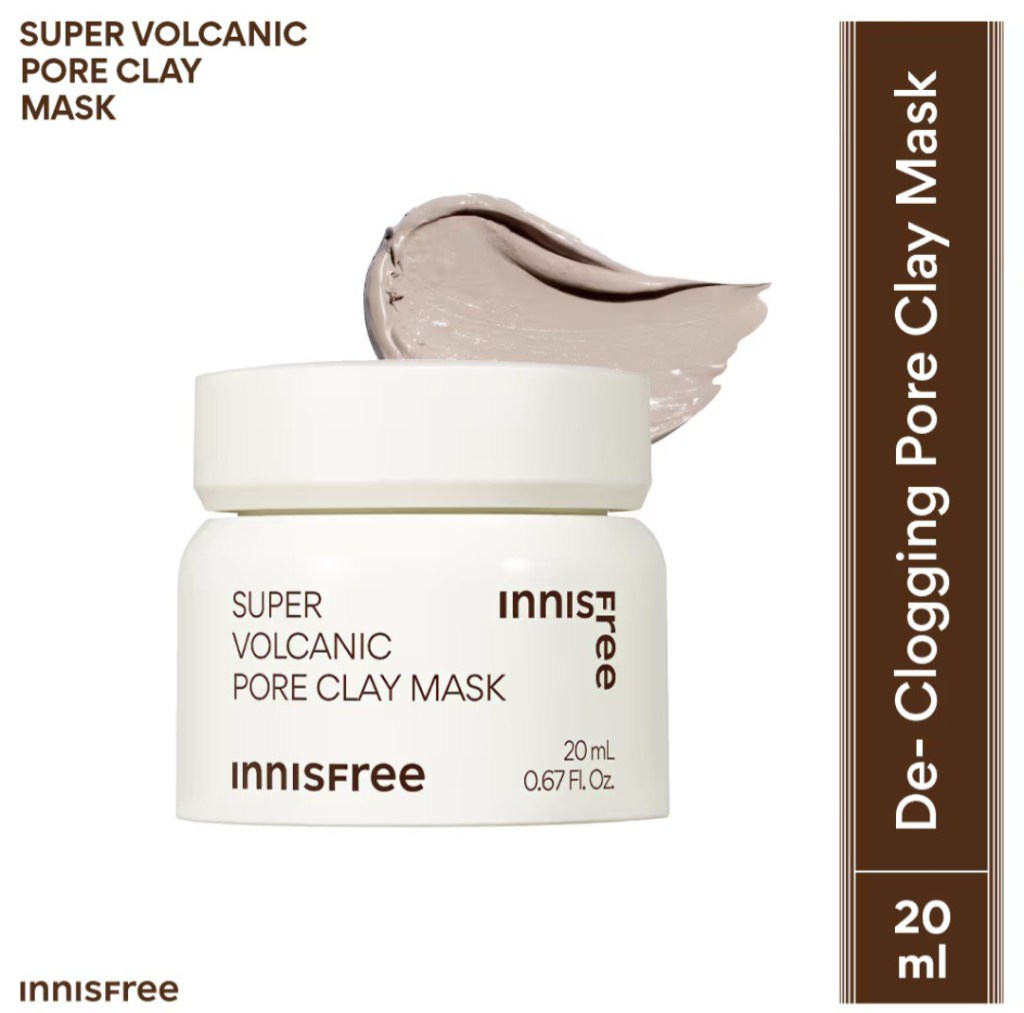
Clay masks are ideal for oily and acne-prone skin. They are usually made with ingredients like kaolin or bentonite clay, which help absorb excess oil and remove impurities from the pores.
These masks work by drawing out dirt, toxins, and excess sebum from the skin. As they dry, they tighten slightly, helping to unclog pores and reduce the appearance of blackheads.
Best for:
• Oily skin
• Acne-prone skin
• Enlarged pores
How often to use: 1–2 times per week
Avoid overusing clay masks, as they can cause dryness if used too frequently.
2. Charcoal Masks
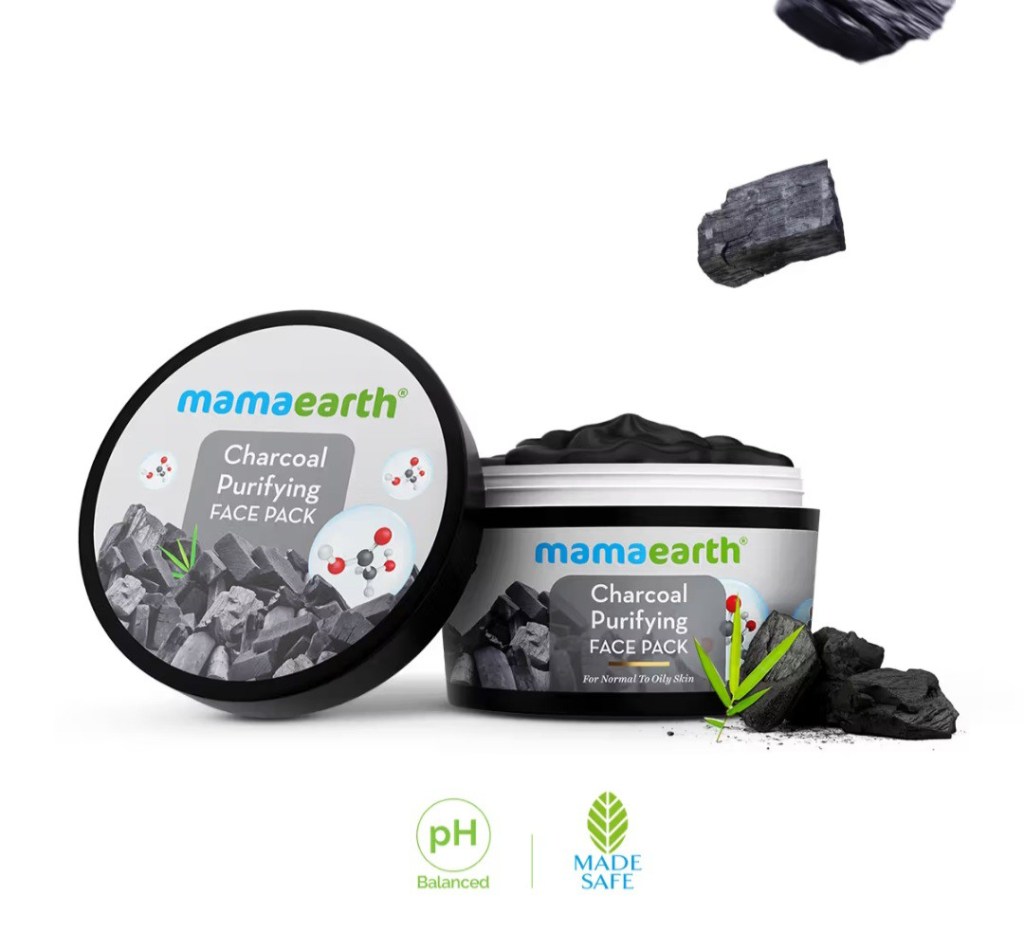
Charcoal masks contain activated charcoal, known for its detoxifying properties. Activated charcoal acts like a magnet, attracting dirt, oil, and environmental pollutants from deep within the pores.
They are especially beneficial for people living in polluted urban environments. Charcoal masks help refine pores, reduce oiliness, and give a cleaner, fresher appearance to the skin.
Best for:
• Combination skin
• Oily skin
• People exposed to pollution
How often to use: Once a week
3. Sheet Masks
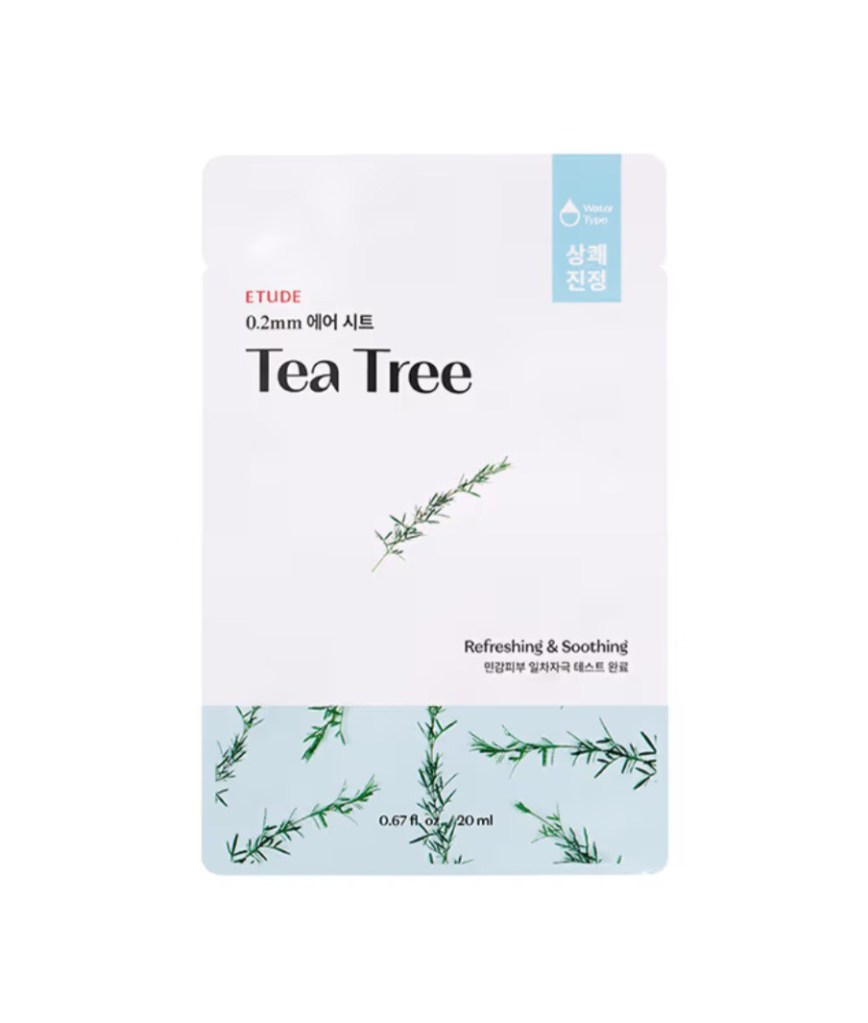
Sheet masks are pre-cut fabric sheets soaked in concentrated serum. They are convenient, travel-friendly, and provide instant hydration and glow.
Because the sheet creates a barrier, it helps the skin absorb the serum more effectively. Sheet masks come in various formulations—hydrating, brightening, anti-aging, soothing, and more.
Best for:
• Dry or dehydrated skin
• Pre-event glow
• Quick skincare boost
How often to use: 1–3 times per week depending on your skin type
4. Gel Masks
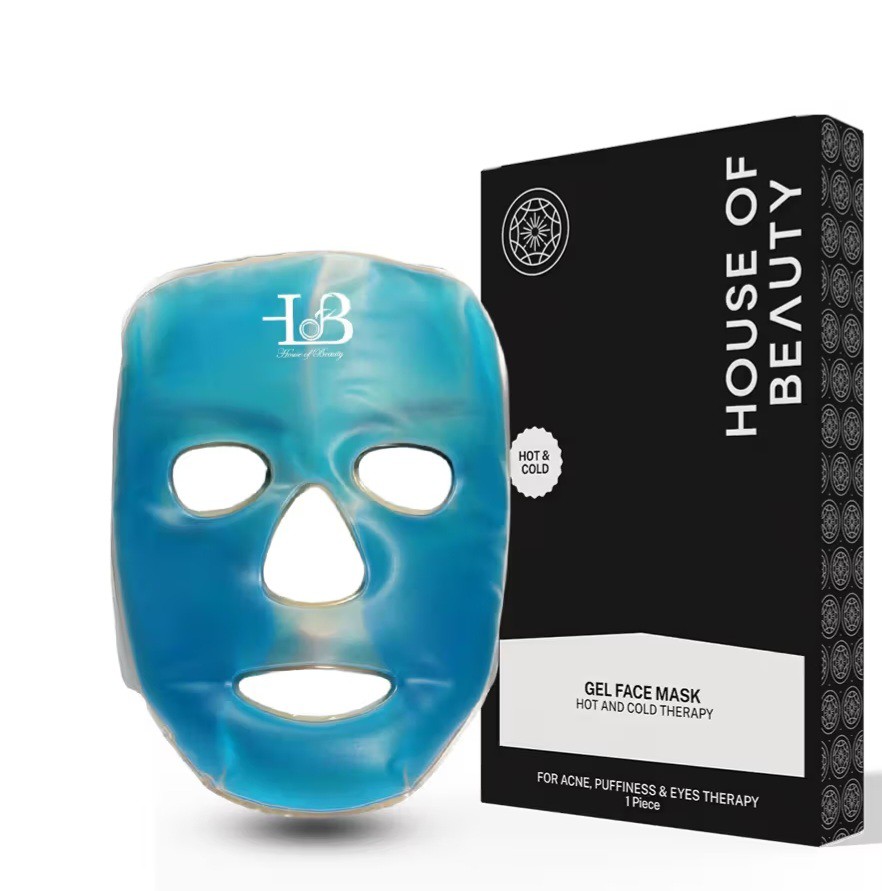
Gel masks have a lightweight, cooling texture and are often infused with soothing ingredients like aloe vera or cucumber. They are excellent for calming irritated or sun-exposed skin.
Unlike clay masks, gel masks do not dry or harden. Instead, they hydrate and soothe the skin while reducing redness and inflammation.
Best for:
• Sensitive skin
• Redness or irritation
• Sunburned skin
How often to use: 2–3 times per week or as needed
5. Cream Masks
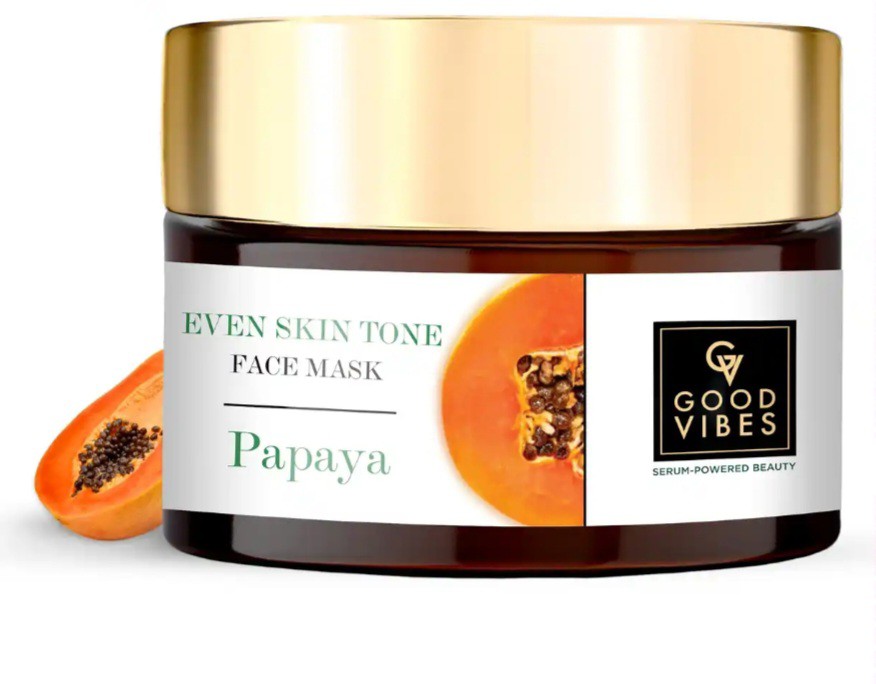
Cream masks are rich, nourishing treatments designed to deeply moisturize and repair the skin barrier. They contain hydrating and emollient ingredients that improve softness and elasticity.
These masks are particularly beneficial for dry, mature, or aging skin. They help reduce fine lines caused by dehydration and restore a healthy glow.
Best for:
• Dry skin
• Mature skin
• Damaged skin barrier
How often to use: 1–2 times per week
6. Peel-Off Masks
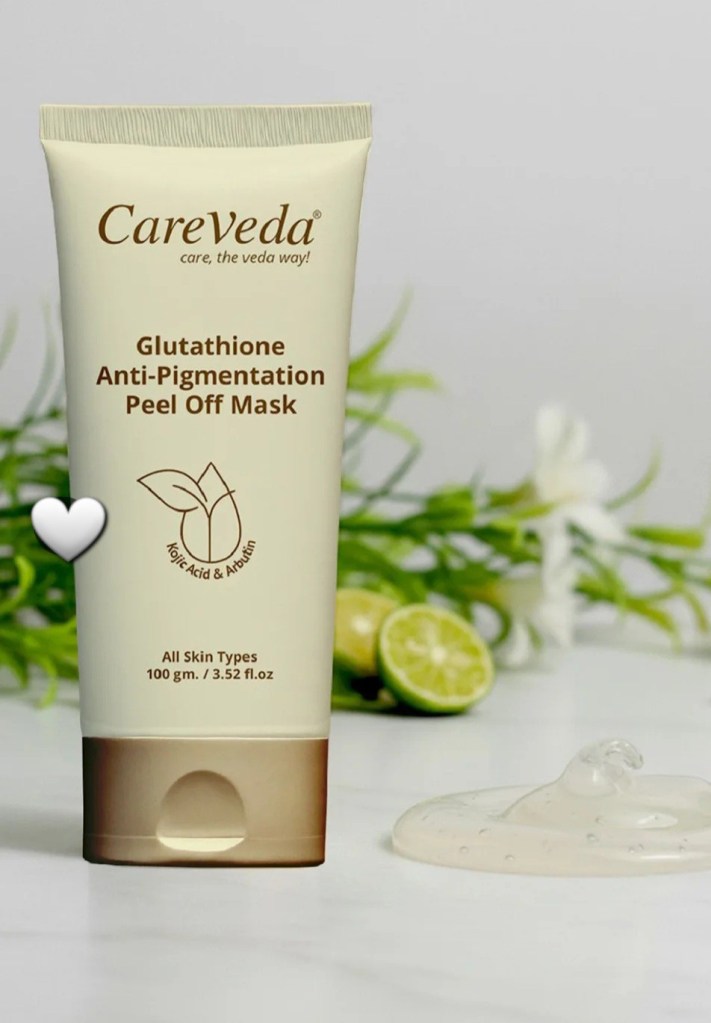
Peel-off masks form a thin layer on the skin that can be peeled away once dry. They physically remove dead skin cells, debris, and sometimes blackheads.
While they provide temporary smoothness and brightness, they can be harsh if used frequently, especially on sensitive skin.
Best for:
• Normal to oily skin
• Occasional deep cleansing
How often to use: Once every 2–3 weeks
People with sensitive or rosacea-prone skin should avoid peel-off masks.
7. Exfoliating Masks
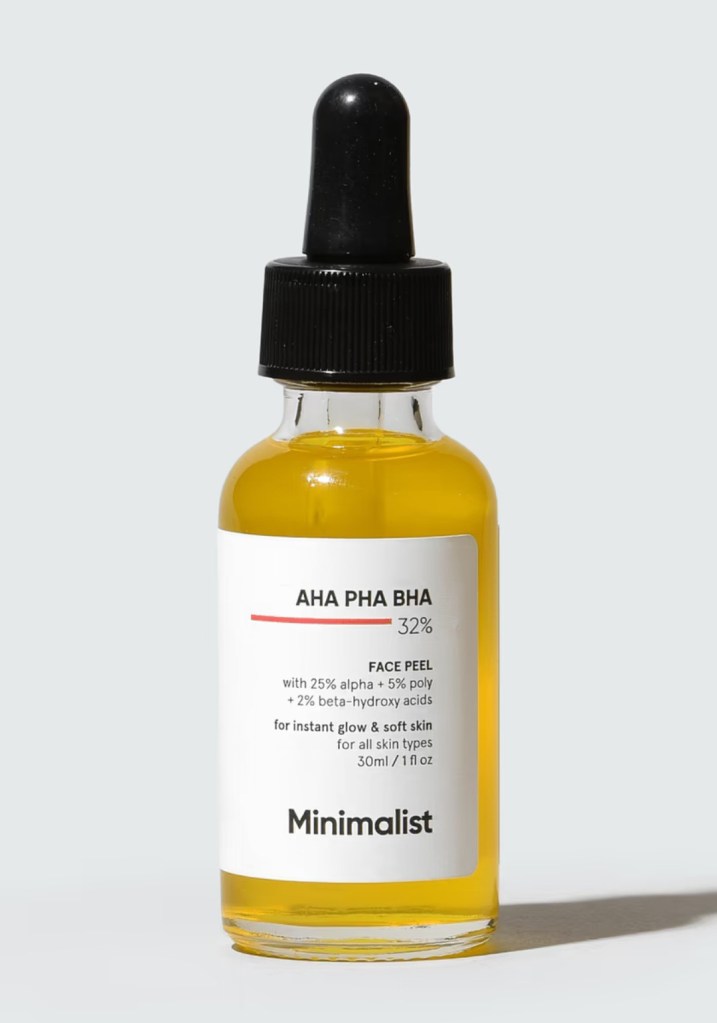
Exfoliating masks contain chemical exfoliants like AHAs (Alpha Hydroxy Acids), BHAs (Beta Hydroxy Acids), or fruit enzymes. These ingredients dissolve dead skin cells and promote cell turnover.
Unlike physical scrubs, chemical exfoliating masks work gently by breaking down the bonds between dead skin cells. They improve texture, brighten the complexion, and help reduce acne and pigmentation over time.
Best for:
• Dull skin
• Uneven texture
• Mild acne or pigmentation
How often to use: Once a week
Always apply sunscreen the next day, as exfoliating masks can increase sun sensitivity.
8. Sleeping Masks (Overnight Masks)
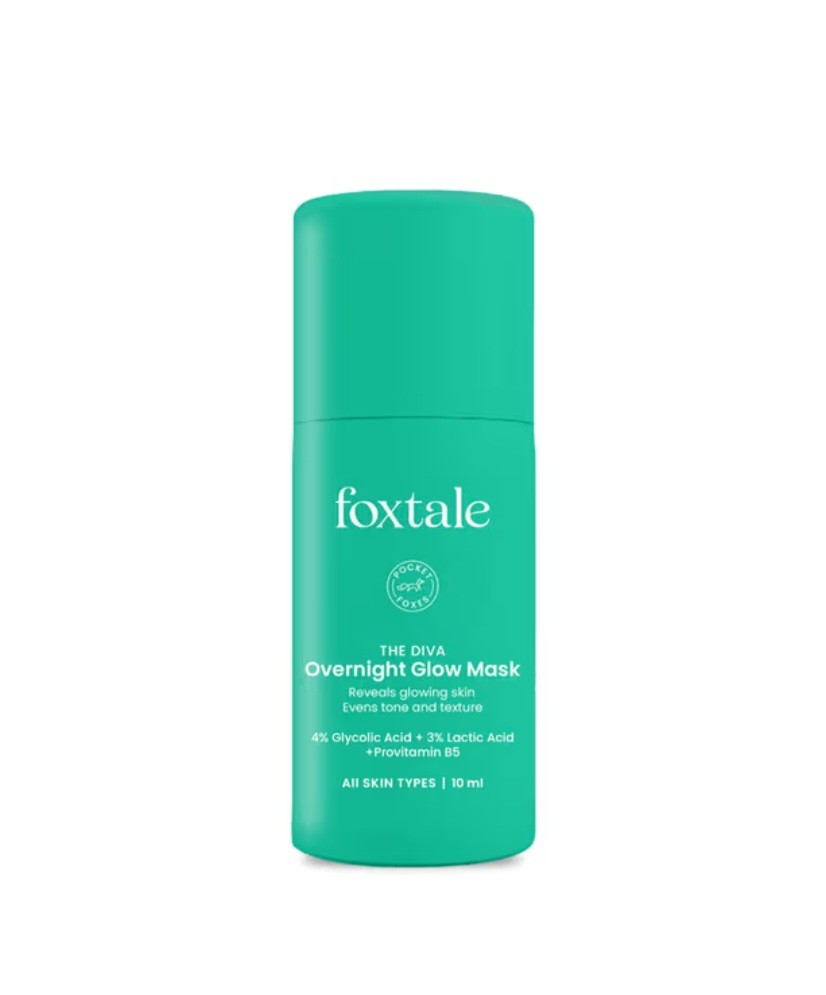
Sleeping masks are applied as the last step of your nighttime skincare routine and left on overnight. They provide intense hydration and repair while you sleep.
These masks help seal in moisture and enhance the skin’s natural overnight regeneration process. By morning, the skin feels plump, smooth, and refreshed.
Best for:
• Dehydrated skin
• Tired-looking skin
• Barrier repair
How often to use: 1–3 times per week
How to Choose the Right Face Mask
Choosing the right mask depends on your skin type and concern.
• Oily skin: Clay or charcoal masks
• Dry skin: Cream or sleeping masks
• Sensitive skin: Gel masks
• Dull skin: Exfoliating masks
• Acne-prone skin: Clay masks with salicylic acid
It’s also important not to overuse face masks. Using too many treatments can disrupt your skin barrier. Stick to a balanced routine and listen to your skin’s needs.
Final Thoughts
Face masks are powerful skincare tools when used correctly. They are not meant to replace your daily routine but to enhance it. Whether you need deep cleansing, hydration, soothing, or exfoliation, there is a mask designed for your skin type.
Consistency, moderation, and choosing the right product make all the difference. When used properly, face masks can transform your skin from dull and tired to healthy and glowing.
 Holistic Living with Dr.Deepti
Leave a comment