Hyperpigmentation is one of the most common skincare concerns — whether it’s acne marks, sun spots, melasma, or uneven skin tone.
The good news? Science gives us powerful ingredients that safely target pigmentation at its root.
Let’s break down the five most effective, research-backed depigmentation ingredients and how they actually work.
1. Niacinamide (Vitamin B3)
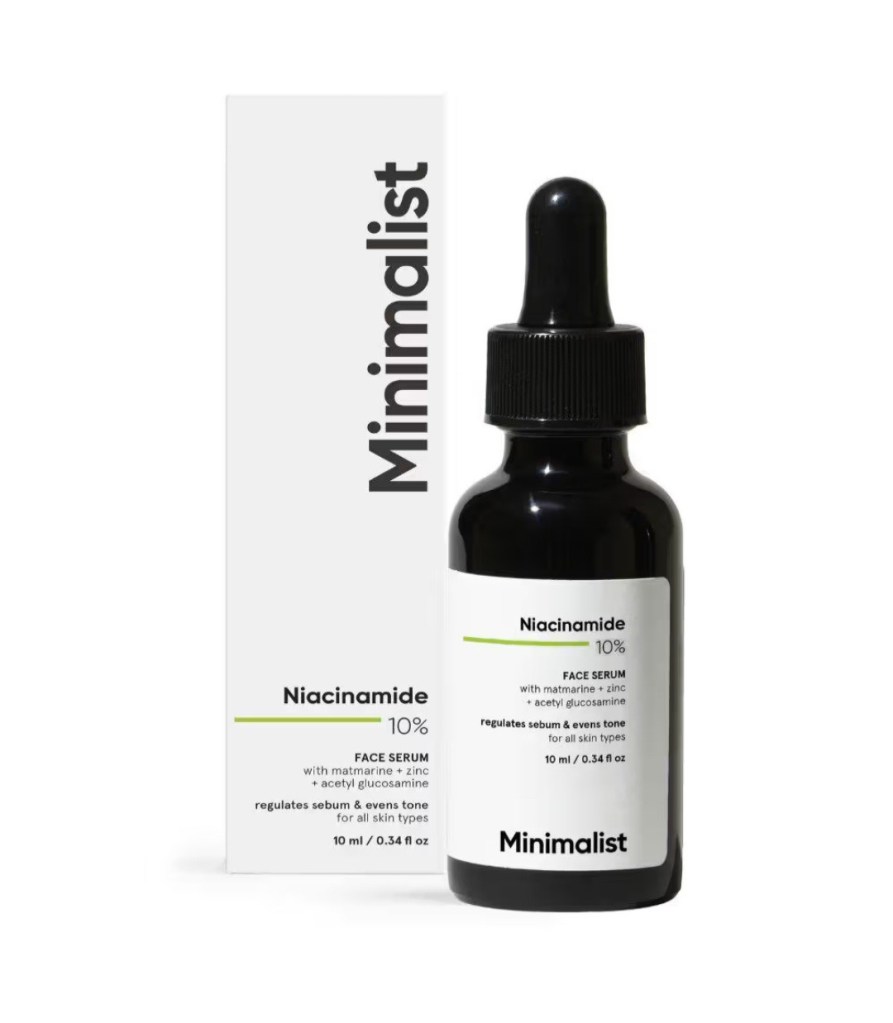
Niacinamide is one of the most versatile and beginner-friendly ingredients in skincare.
How it works:
Niacinamide reduces pigmentation by inhibiting the transfer of melanin from melanocytes (pigment-producing cells) to skin cells. This means it doesn’t bleach the skin — it simply prevents excess pigment from spreading.
Benefits:
● Reduces dark spots and post-acne marks
● Strengthens skin barrier
● Controls oil production
● Reduces redness and inflammation
Ideal concentration:
2%–5% for daily use.
Why it’s powerful:
It works well for sensitive skin and can be combined with almost all active ingredients. If someone is just starting their depigmentation journey, niacinamide is usually the safest first step.
2. Alpha Arbutin
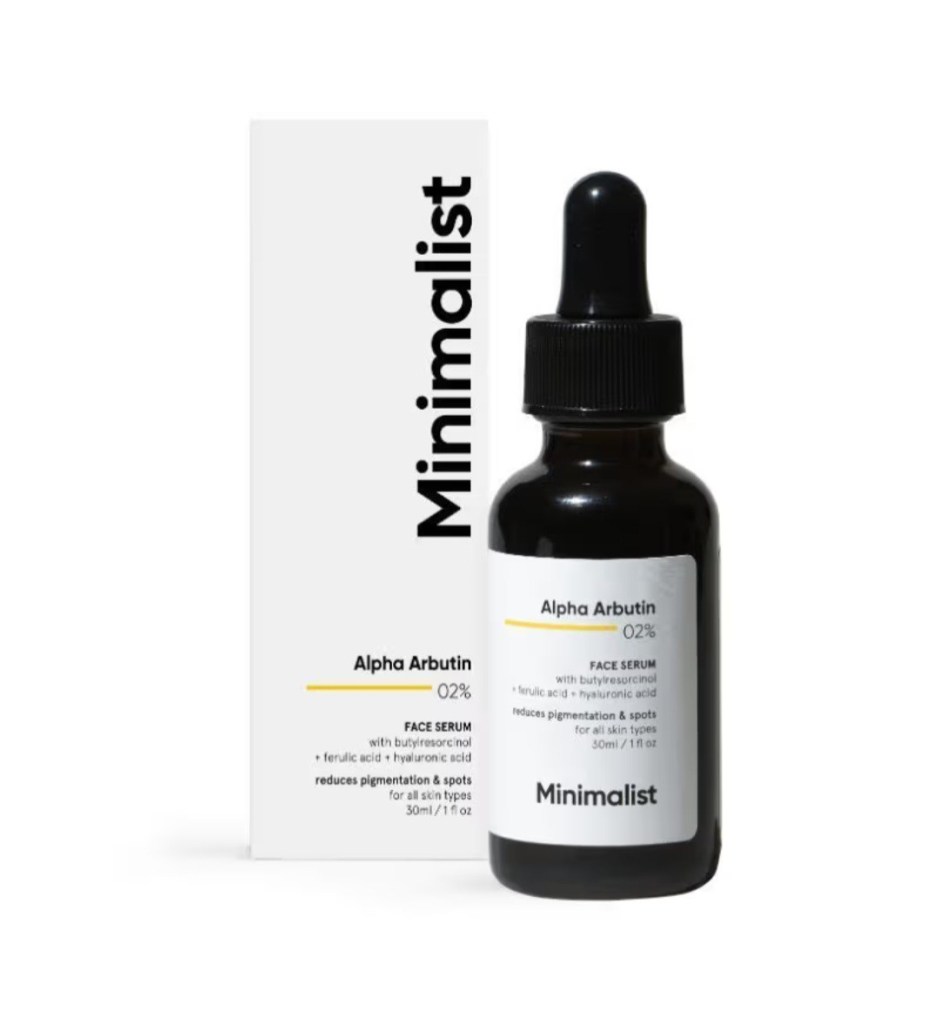
Alpha arbutin is a gentler derivative of hydroquinone (without the harsh side effects).
How it works:
It inhibits tyrosinase, the key enzyme responsible for melanin production. Less tyrosinase activity = less pigment formation.
Benefits:
● Fades acne scars
● Improves uneven skin tone
● Safe for long-term use
● Suitable for most skin types
https://youtube.com/shorts/Uc7irRH3wOk?si=-zQJ8r02AtUYd9nZ (For more information visit the video link)🌸
Ideal concentration:
1%–2%.
Why it’s powerful:
It specifically targets dark spots without irritating surrounding skin. This makes it ideal for people struggling with post-inflammatory hyperpigmentation (PIH).
3. Kojic Acid
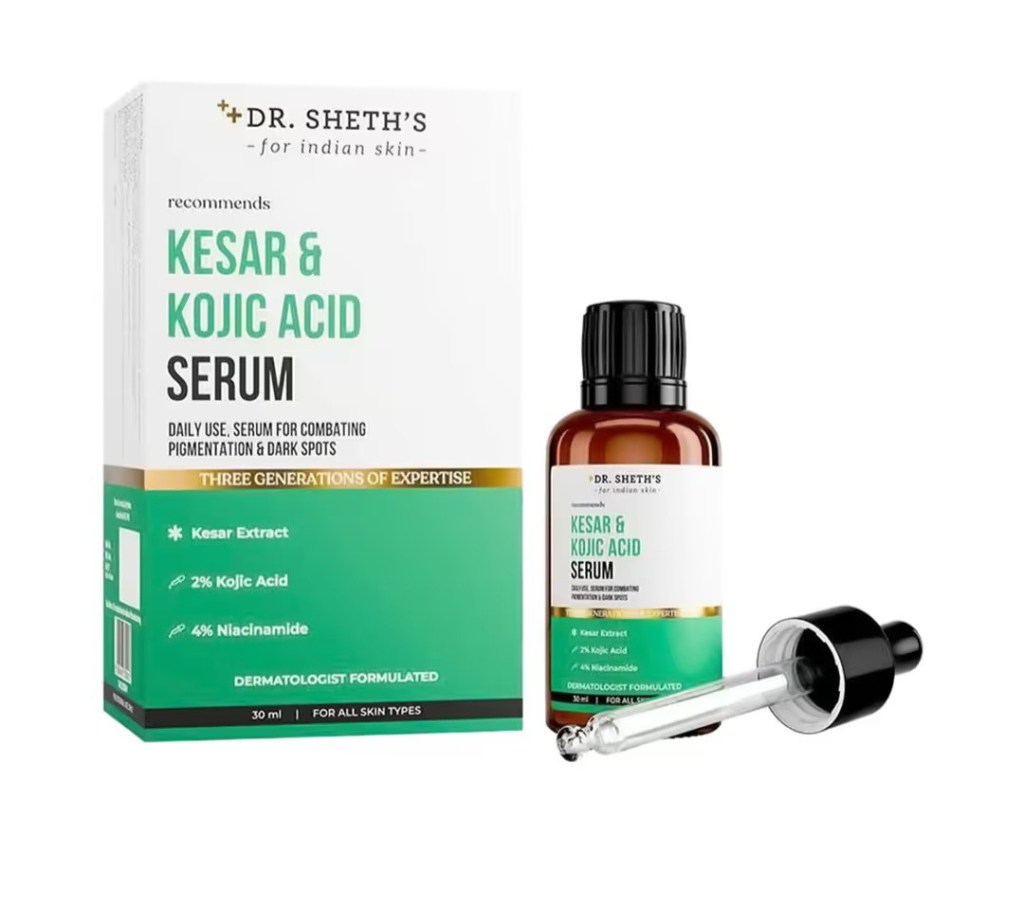
Kojic acid is derived from fungi during fermentation (often rice fermentation).
How it works:
Like arbutin, kojic acid inhibits tyrosinase activity, reducing melanin production.
Benefits:
● Treats sun spots
● Helps melasma
● Brightens dull complexion
Ideal concentration:
1%–2% in serums or creams.
Important note:
Kojic acid can sometimes cause irritation in sensitive skin. It’s best introduced slowly and always paired with sunscreen.
Why it’s powerful:
It works well for stubborn pigmentation that doesn’t respond to milder ingredients.
4. Vitamin C (L-Ascorbic Acid)
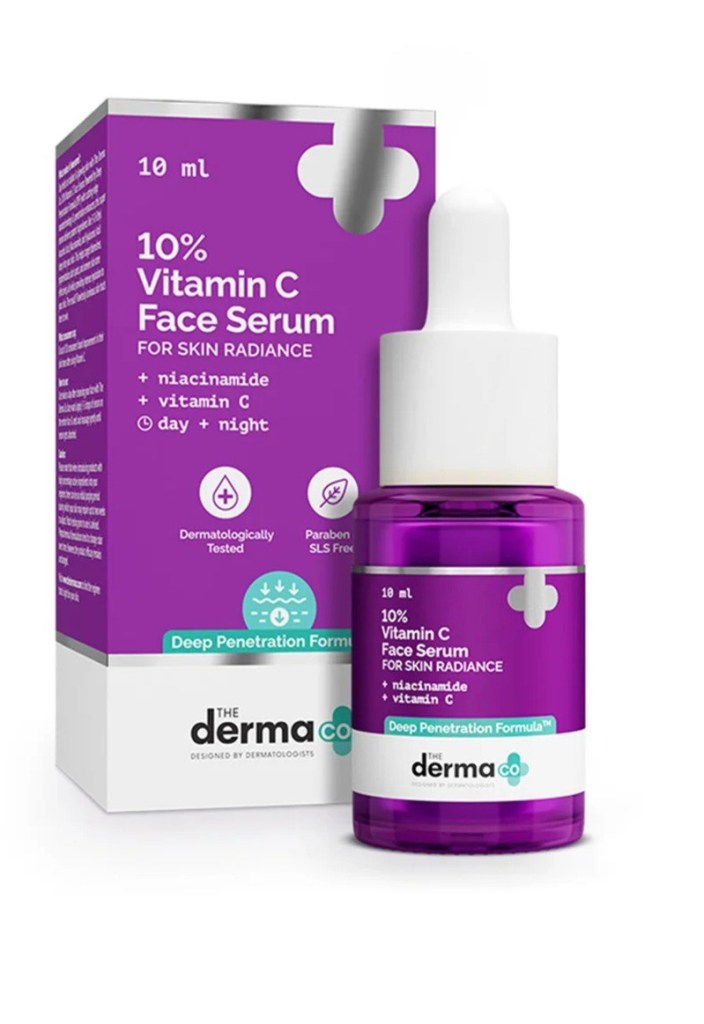
Vitamin C is not just a brightening ingredient — it’s a powerful antioxidant.
How it works:
● Inhibits tyrosinase
● Reduces oxidized melanin (dark pigment)
● Protects skin from UV-induced damage
Benefits:
● Brightens complexion
● Boosts collagen production
● Protects from environmental damage
● Fades dark spots
Ideal concentration:
10%–20% (for L-ascorbic acid)
Why it’s powerful:
Hyperpigmentation is often triggered or worsened by sun exposure. Vitamin C prevents further darkening while gradually improving existing spots.
5. Tranexamic Acid
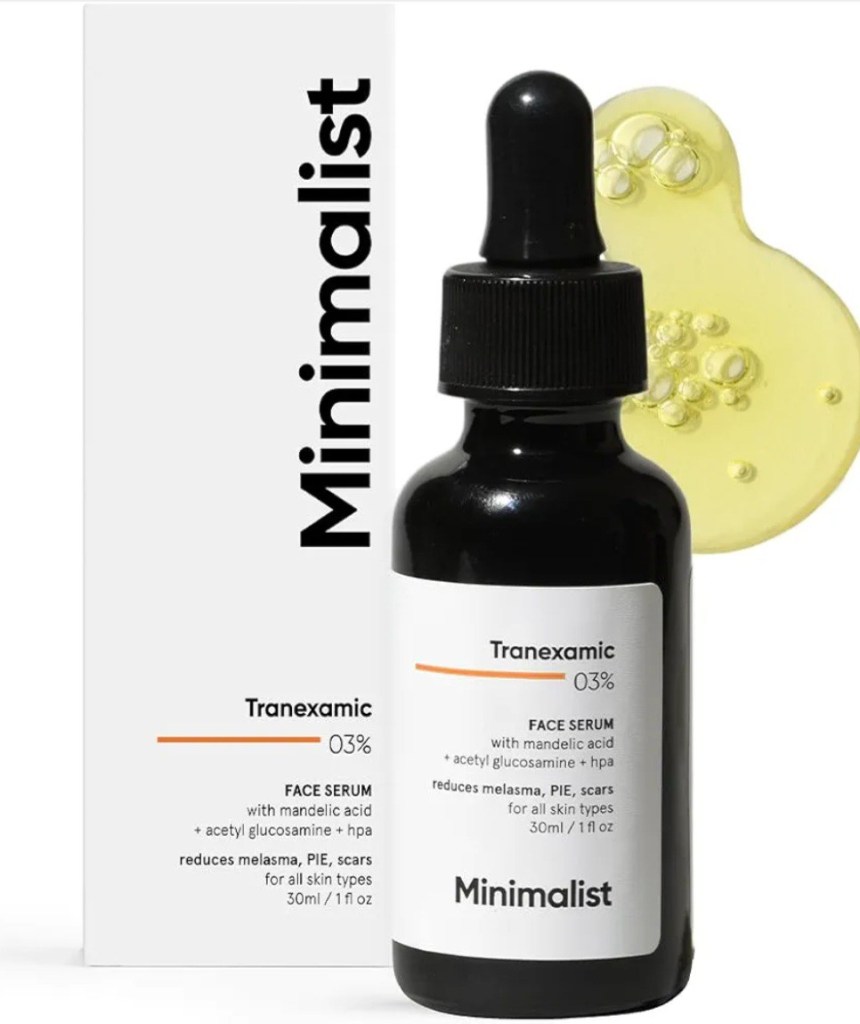
Tranexamic acid is one of the most promising ingredients for melasma and hormonal pigmentation.
How it works:
It blocks the interaction between melanocytes and inflammatory mediators, reducing pigment production triggered by inflammation or UV exposure.
Benefits:
● Highly effective for melasma
● Reduces redness
● Improves overall skin clarity
● Safe for sensitive skin
Ideal concentration:
2%–5%.
Why it’s powerful:
Unlike many ingredients that only target pigment formation, tranexamic acid also works on the inflammatory pathway. That’s why dermatologists often recommend it for stubborn pigmentation.
How to Choose the Right Ingredient
Not all pigmentation is the same.
○ Post-acne marks — Niacinamide, Alpha Arbutin
○ Sun spots — Vitamin C, Kojic Acid
○ Melasma — Tranexamic Acid, Kojic Acid
○ Sensitive Skin — Niacinamide, Tranexamic Acid
Combination formulas often work better than single-ingredient products.
The Golden Rule: Sunscreen is Non-Negotiable
No depigmentation routine works without daily sunscreen. UV exposure stimulates melanin production and can undo months of progress in days.
Choose:
● Broad spectrum SPF 30 or higher
● Reapply every 2–3 hours
● Especially important in Indian climate
Without sun protection, even the best ingredients won’t give lasting results.
How Long Does It Take to See Results?
Depigmentation is not instant. Expect:
● 2–4 weeks: Mild improvement in brightness
● 6–8 weeks: Visible fading of spots
● 3 months+: Significant improvement
Consistency is key.
Hyperpigmentation is treatable — but it requires patience, the right ingredients, and sun protection.
If you’re creating content or guiding patients (especially in Indian skin tones where PIH is common), remember:
● Gentle > aggressive
● Consistency > quick fixes
● Barrier health matters
The goal is not “fairer” skin.
The goal is even, healthy, glowing skin.
☆ Comment down below for any queries 🤍
 Holistic Living with Dr.Deepti
Leave a comment