Menstrual cramps are one of the most common experiences shared by women across the world. For some, they are a mild inconvenience. For others, they can feel like a storm passing through the body—bringing pain, fatigue, emotional sensitivity, bloating, and a desire to retreat from the demands of daily life.
Yet despite affecting millions of women every month, menstrual health is often misunderstood. Many women are taught to simply tolerate the pain, push through their discomfort, and carry on as though nothing is happening. But your menstrual cycle is not an inconvenience. It is a natural biological process and an important indicator of overall health.
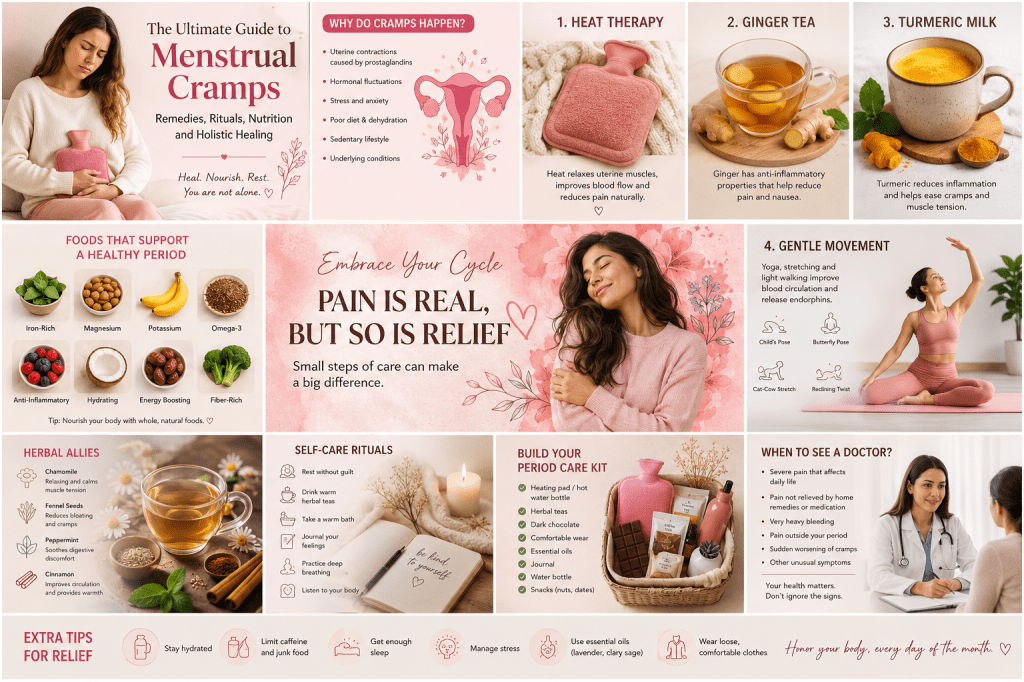
This guide is your complete handbook to understanding menstrual cramps, relieving pain naturally, supporting your body with nourishing foods, and creating rituals that transform your period from a time of struggle into a time of self-care and restoration.
What Are Menstrual Cramps?
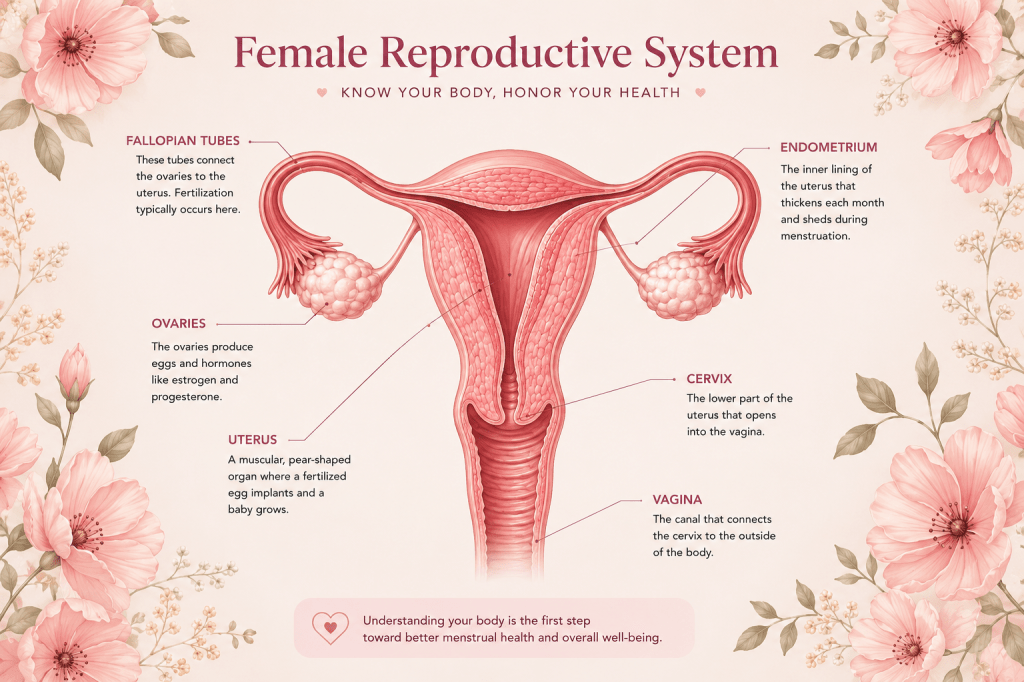
Menstrual cramps, also known as dysmenorrhea, occur when the uterus contracts to shed its lining during menstruation. These contractions are triggered by hormone-like substances called prostaglandins.
Higher levels of prostaglandins can cause stronger uterine contractions, leading to more intense cramps. This is why some women experience only mild discomfort while others struggle with severe pain.
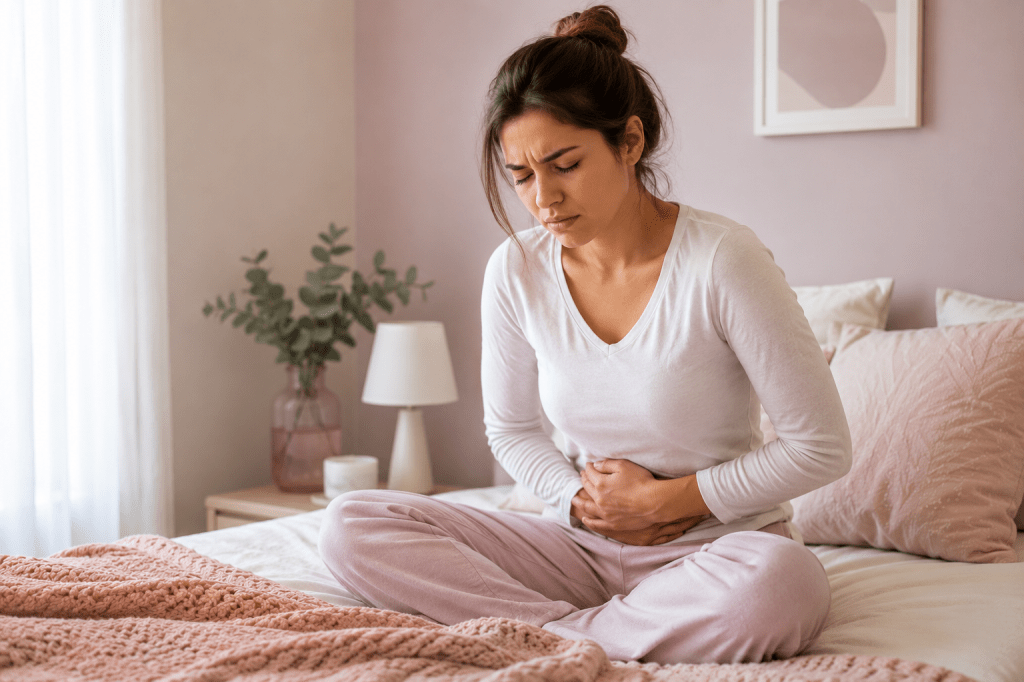
Cramps usually begin one to two days before a period or during the first few days of bleeding and may feel like:
● Throbbing lower abdominal pain
● Pelvic pressure
● Lower back pain
● Pain radiating into the thighs
● Nausea
● Fatigue
● Headaches
● Digestive disturbances
Why Do Menstrual Cramps Happen?
Several factors can influence the intensity of cramps:
● Hormonal fluctuations
● Elevated prostaglandin levels
● Stress and anxiety
● Lack of sleep
● Poor nutrition
● Dehydration
● Sedentary lifestyle
● Underlying conditions such as endometriosis or fibroids
Understanding these factors allows us to address menstrual pain from multiple angles rather than relying on a single solution.
The Holy Grail Remedies for Period Cramps
1. Heat Therapy
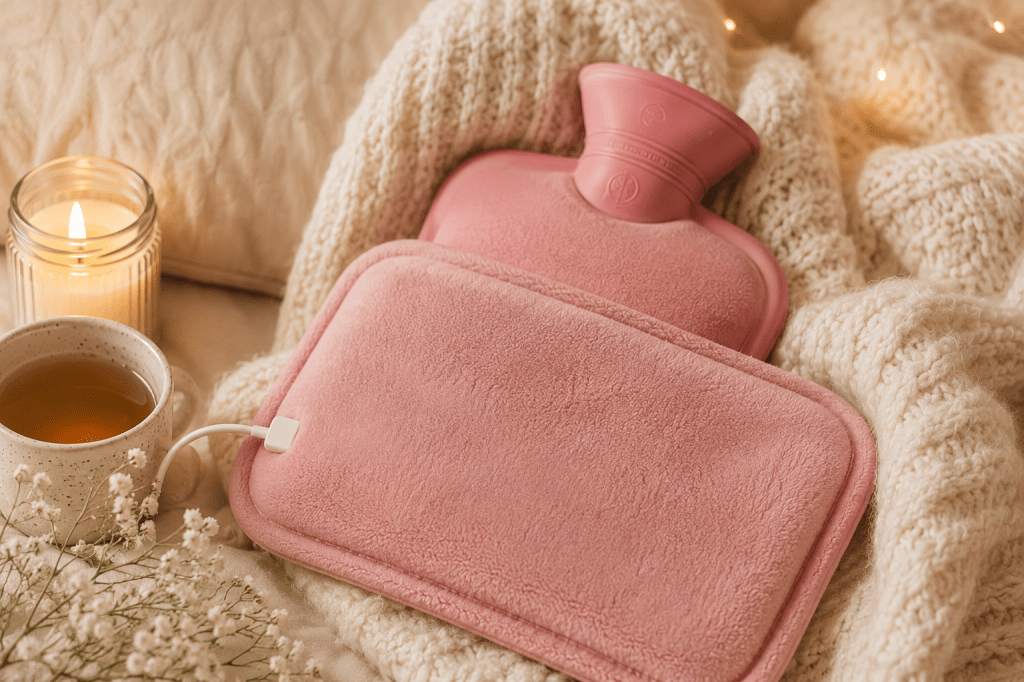
If there is one remedy that consistently works for many women, it is heat.
Heat increases blood flow, relaxes uterine muscles, and reduces the intensity of cramping.
Ways to use heat:
● Heating pad
● Hot water bottle
● Warm towel
● Warm bath with Epsom salt
Apply heat to the lower abdomen for 15–20 minutes whenever needed.
2. Ginger Tea
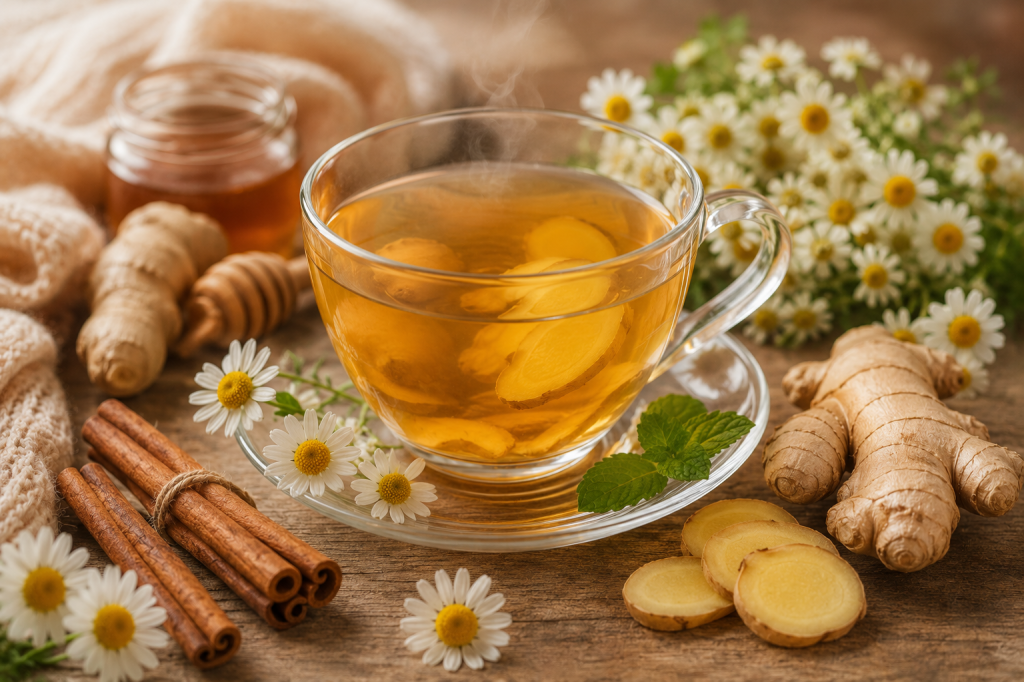
Ginger is one of nature’s most powerful anti-inflammatory ingredients.
Benefits:
● May reduce menstrual pain
● Supports digestion
● Reduces nausea
● Improves circulation
Simply boil fresh ginger slices in water and sip throughout the day.
3. Turmeric Milk
Turmeric contains curcumin, known for its anti-inflammatory properties.
A warm cup of turmeric milk before bed can help ease discomfort and promote restful sleep.
4. Gentle Movement
Although rest is important, complete inactivity can sometimes worsen cramps.
Helpful activities include:
● Walking
● Stretching
● Gentle yoga
● Mobility exercises
Movement encourages circulation and stimulates endorphins, the body’s natural pain-relieving hormones.
5. Magnesium-Rich Foods
Magnesium helps muscles relax and may reduce cramping.
Include:
● Pumpkin seeds
● Almonds
● Cashews
● Dark chocolate
● Spinach
● Bananas
Foods That Support a Healthy Period
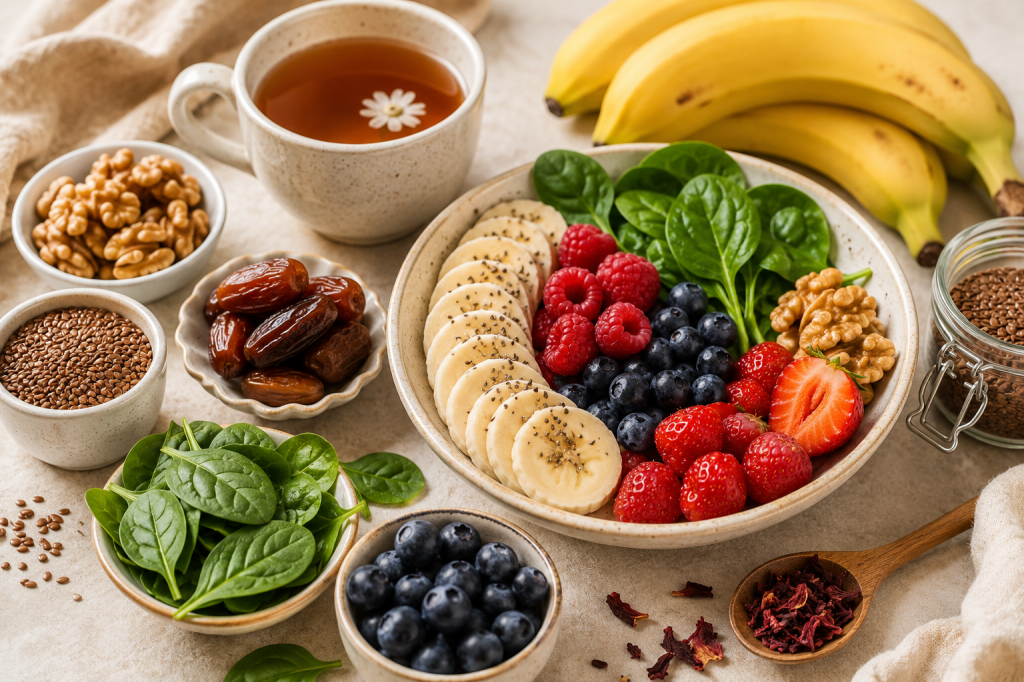
What you eat before and during your period can significantly impact symptoms.
Best Foods During Menstruation
Iron-Rich Foods
Menstruation results in blood loss, making iron especially important.
Examples:
● Lentils
● Chickpeas
● Spinach
● Beetroot
● Dates
Anti-Inflammatory Foods
Examples:
● Ginger
● Turmeric
● Berries
● Leafy greens
Potassium-Rich Foods
Examples:
● Bananas
● Coconut water
● Sweet potatoes
These help reduce bloating and support muscle function.
Healthy Fats
Examples:
● Walnuts
● Flaxseeds
● Chia seeds
● Avocados
These foods support hormone balance and reduce inflammation.
Foods to Limit During Your Period
Certain foods may worsen symptoms.
Try reducing:
● Excess caffeine
● Sugary snacks
● Processed foods
● Excess salt
● Carbonated drinks
This does not mean restriction. Instead, focus on adding nourishing foods that support your body.
The Menstrual Self-Care Ritual
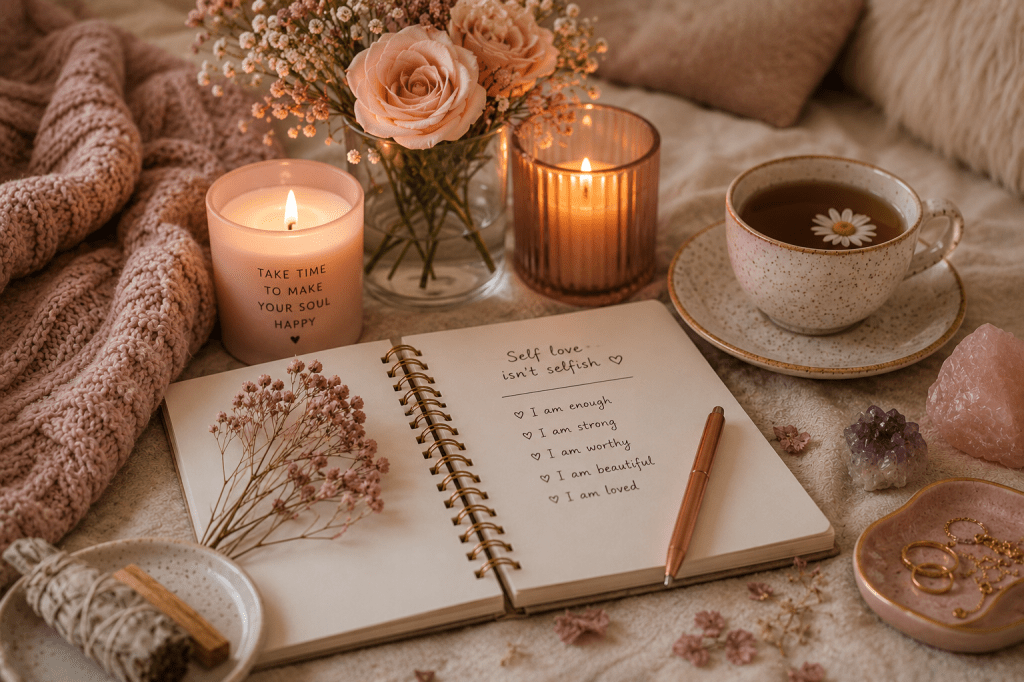
One of the most overlooked aspects of menstrual wellness is creating intentional rituals.
Rather than seeing your period as something to survive, consider treating it as a monthly reset.
Morning Ritual
Start the day with:
● Warm water
● Gentle stretching
● Deep breathing
● A nourishing breakfast
This helps calm the nervous system and support circulation.
Evening Ritual
Create a comforting routine:
● Warm shower or bath
● Herbal tea
● Light reading
● Early sleep
These simple practices encourage relaxation and recovery.
Herbal Allies for Menstrual Comfort
For centuries, women across cultures have turned to herbs for menstrual support.
Popular options include:
Chamomile Tea
Supports relaxation and may ease muscle tension.
Fennel Seeds
Traditionally used to reduce bloating and cramping.
Cinnamon
May help improve circulation and provide warmth.
Peppermint Tea
Can soothe digestive discomfort and nausea.
The Mind-Body Connection
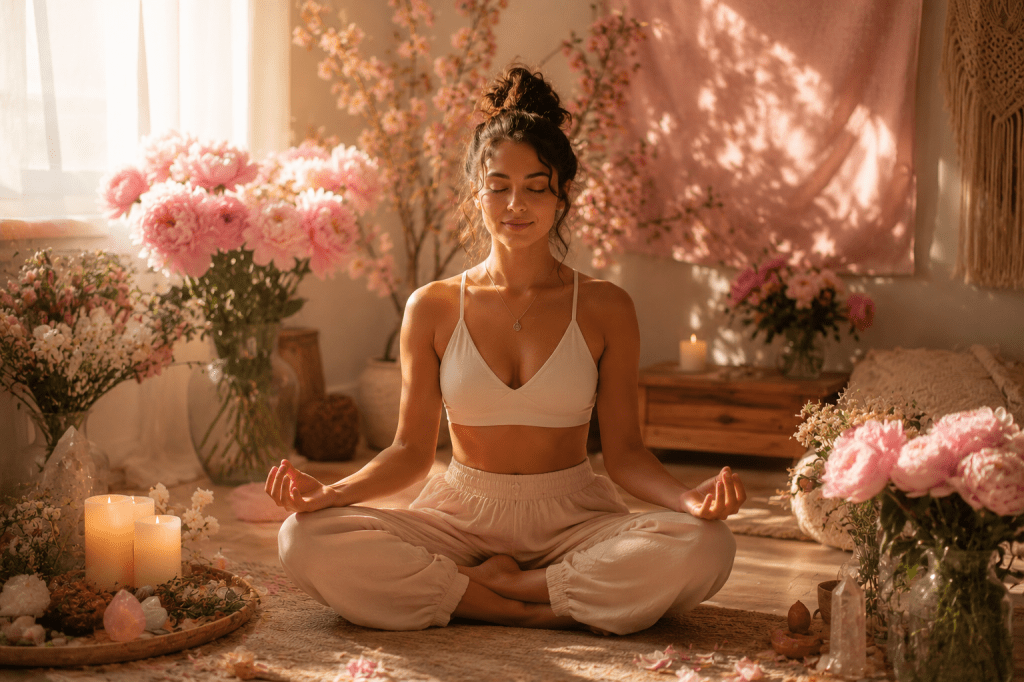
Stress does not cause periods, but it can influence how pain is experienced.
When the body is stressed:
● Muscles become tense
● Inflammation may increase
● Pain sensitivity can rise
This is why relaxation techniques are often surprisingly effective.
Helpful practices include:
● Meditation
● Journaling
● Breathwork
● Prayer
● Mindfulness
Even five minutes of conscious breathing can help reduce tension.
Traditional and Spiritual Menstrual Rituals
Across many ancient cultures, menstruation was viewed as a sacred time of renewal.
Women were encouraged to:
● Rest more
● Reflect inwardly
● Connect with nature
● Spend time in prayer or meditation
● Reduce unnecessary obligations
While modern life often makes complete rest impossible, adopting elements of these traditions can be deeply nourishing.
Simple rituals include:
● Lighting a candle
● Practicing gratitude
● Drinking herbal tea mindfully
● Taking a slow walk in nature
● Writing reflections in a journal
These rituals create a sense of care and connection during a time when many women feel vulnerable.
When Cramps Are Not Normal
Although menstrual cramps are common, severe pain should not be ignored.
Consult a healthcare professional if:
● Pain prevents normal daily activities
● Symptoms worsen suddenly
● You experience extremely heavy bleeding
● Pain continues outside your period
● You frequently miss school or work because of cramps
Conditions such as endometriosis, adenomyosis, and fibroids require proper medical evaluation and treatment.
Building Your Personal Period Care Kit
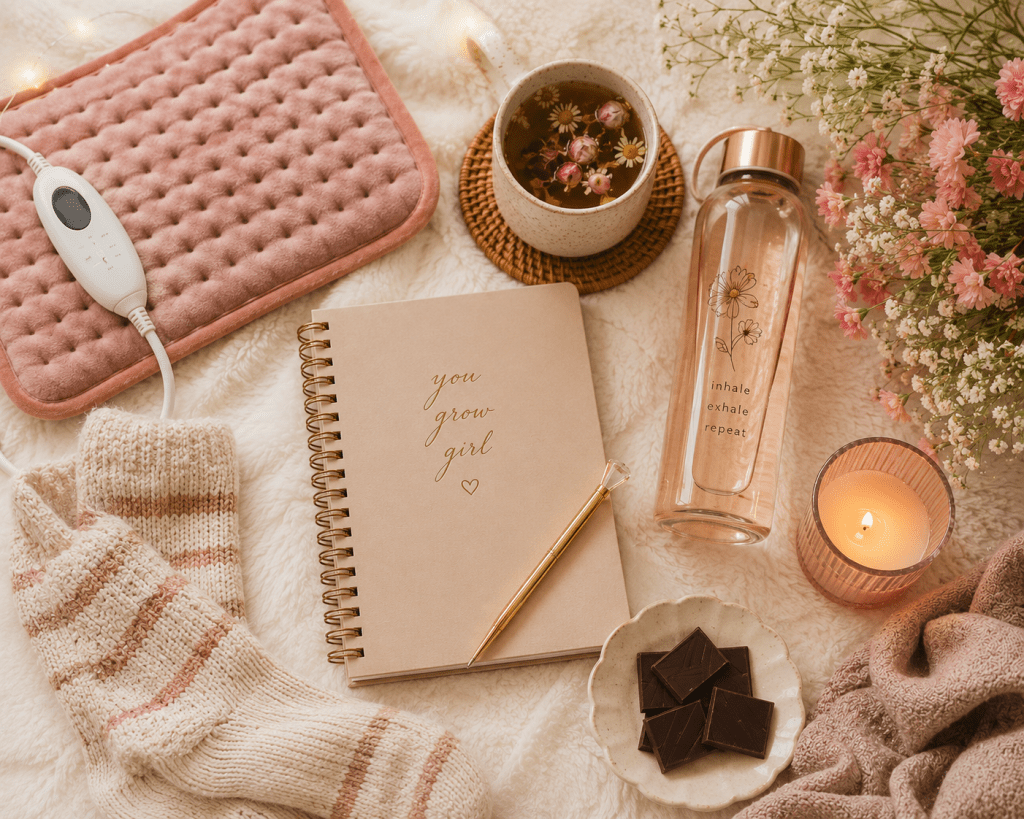
Consider creating a menstrual wellness kit containing:
● Heating pad
● Herbal teas
● Dark chocolate
● Comfortable clothing
● Hot water bottle
● Journal
● Essential oils (if tolerated)
● Reusable water bottle
Having these items ready can make your period feel far more manageable and comforting.
Final Thoughts
Menstrual cramps are not simply a monthly inconvenience—they are a message from your body. Sometimes that message is asking for rest. Sometimes it is asking for nourishment. Sometimes it is asking for attention and care.
The most effective approach to menstrual wellness combines modern knowledge with timeless wisdom. Heat, hydration, nutrition, movement, herbal remedies, adequate sleep, stress management, and intentional self-care rituals all work together to support the body during menstruation.
Instead of fighting your cycle, learn to work with it. Honor your body’s rhythms. Create space for rest when needed. Nourish yourself with wholesome foods. Embrace rituals that bring comfort and calm.
Your period is not a sign of weakness. It is a reflection of the incredible intelligence of the female body. When cared for with compassion and awareness, your menstrual cycle can become not only more comfortable but also a powerful opportunity for healing, reflection, and self-connection.
 Holistic Living with Dr.Deepti
Leave a comment