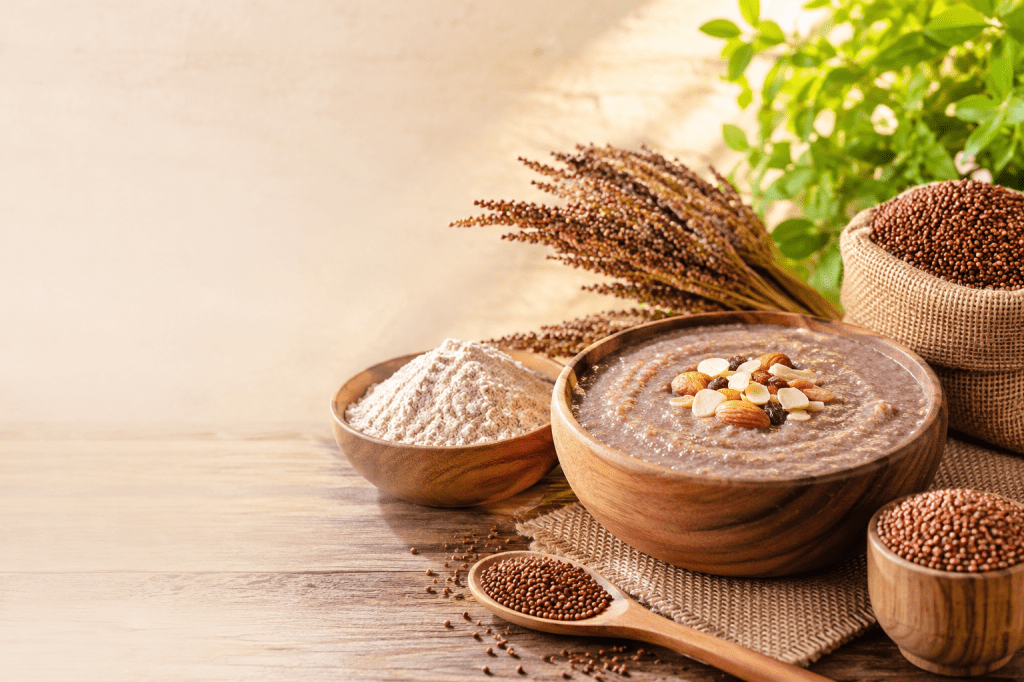
In today’s world of processed foods and fast-paced lifestyles, more people are turning back to traditional grains for better health and nutrition. One such nutritional powerhouse is Ragi, also known as Finger Millet. For centuries, ragi has been a staple food in many parts of India and Africa, valued for its impressive nutrient profile and numerous health benefits.
Often called a “superfood,” ragi is rich in calcium, fiber, protein, iron, and essential amino acids. Whether you’re looking to improve your bone health, manage your weight, control blood sugar levels, or simply add more wholesome foods to your diet, ragi deserves a place on your plate.
What is Ragi?
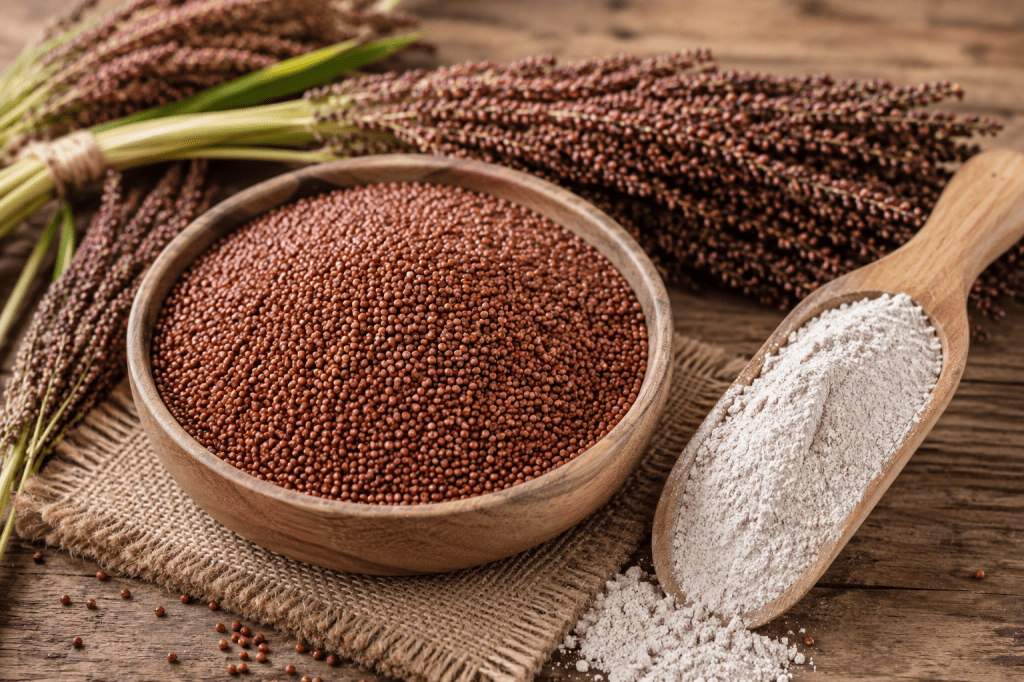
Ragi (Finger Millet) is a cereal grain belonging to the millet family. It is characterized by its reddish-brown color and nutty flavor. Unlike refined grains, ragi is minimally processed and retains most of its natural nutrients.
Ragi can be consumed in various forms, including flour, whole grain, sprouts, porridge, rotis, dosas, and baked products. Its versatility makes it an excellent addition to both traditional and modern recipes.
Nutritional Value of Ragi
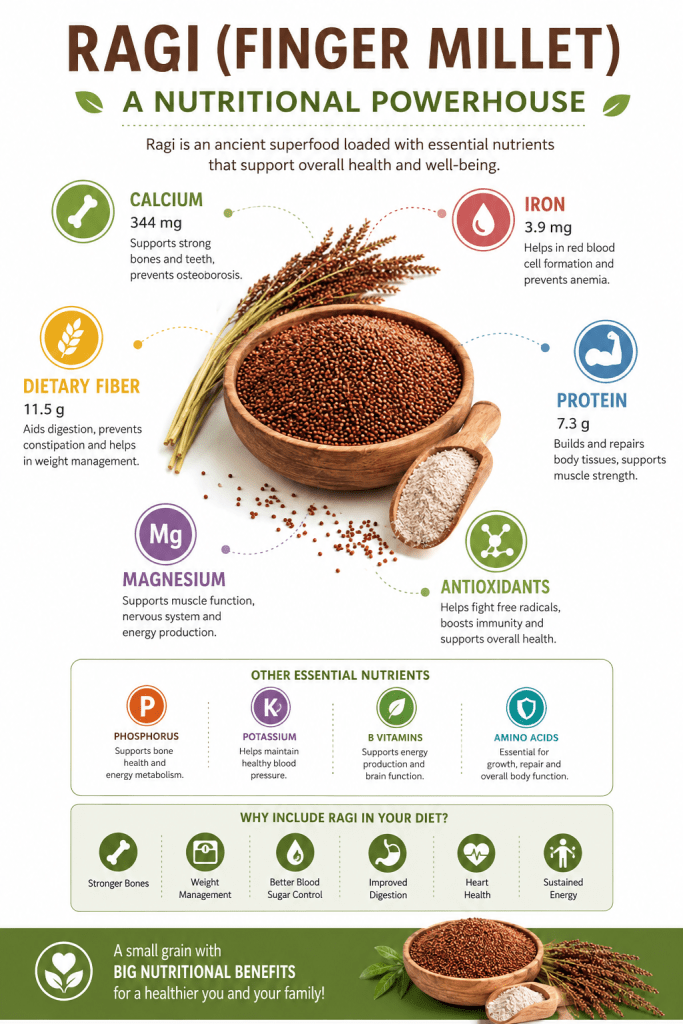
Ragi is loaded with essential nutrients that support overall health. A 100-gram serving of ragi contains approximately:
● Calcium: 344 mg
● Protein: 7.3 g
● Dietary Fiber: 11.5 g
● Iron: 3.9 mg
● Magnesium
● Phosphorus
● Potassium
● Vitamin B Complex
● Antioxidants
What makes ragi particularly special is its exceptionally high calcium content, which is significantly higher than that of rice and wheat.
Top Health Benefits of Ragi
1. Supports Strong Bones and Teeth
Ragi is one of the richest plant-based sources of calcium. Calcium is essential for maintaining healthy bones and teeth and reducing the risk of osteoporosis.
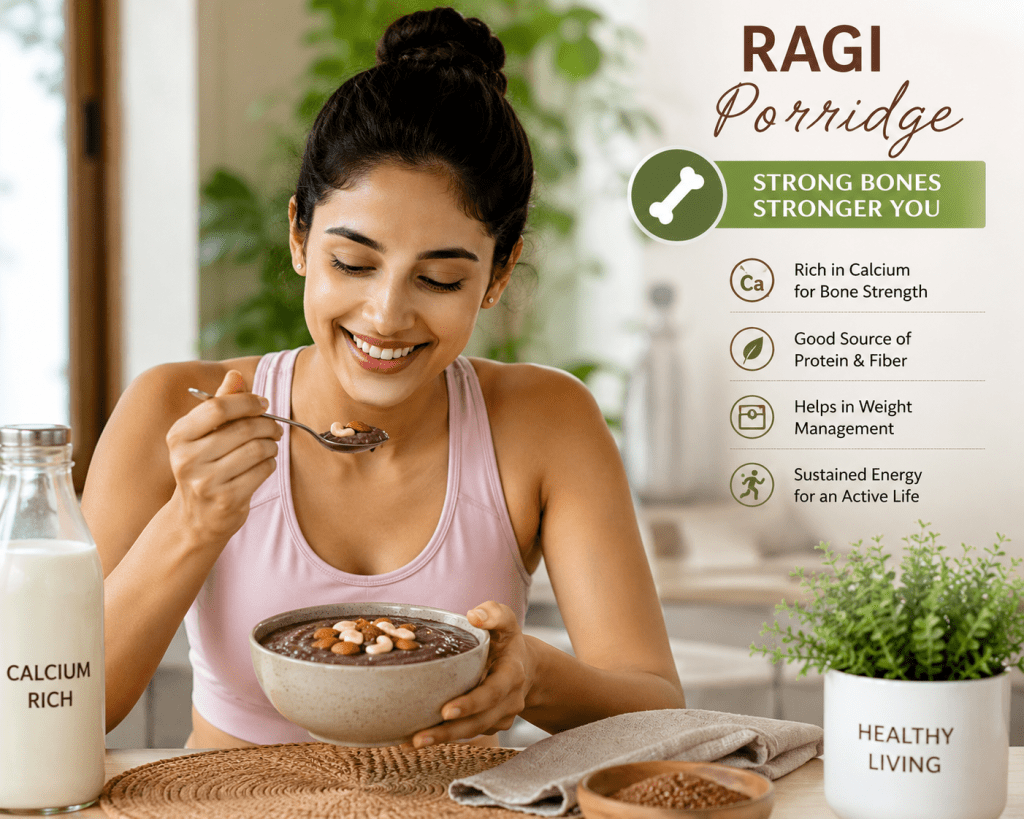
Children, pregnant women, and older adults can particularly benefit from including ragi in their diet to support bone health.
2. Helps in Weight Management
The high fiber content in ragi promotes a feeling of fullness and reduces hunger cravings. This can help prevent overeating and support healthy weight management.
Unlike refined grains, ragi digests slowly, keeping you satisfied for longer periods.
3. Aids Blood Sugar Control
Ragi has a relatively low glycemic index compared to many refined grains. Its fiber content slows the absorption of sugar into the bloodstream, helping maintain stable blood glucose levels.
This makes ragi a suitable grain choice for people with diabetes when consumed as part of a balanced diet.
4. Improves Digestive Health
Dietary fiber plays a crucial role in maintaining digestive health. Ragi helps improve bowel movements, prevents constipation, and supports a healthy digestive system.
Regular consumption can contribute to better gut health and overall wellness.
5. Rich in Iron and Helps Prevent Anemia
Ragi contains iron, which is important for the production of hemoglobin and the transportation of oxygen throughout the body.
Sprouted ragi is believed to enhance iron absorption, making it beneficial for individuals at risk of iron deficiency anemia.
6. Promotes Heart Health
The fiber, antioxidants, and healthy nutrients present in ragi may help reduce bad cholesterol levels and support cardiovascular health.
Magnesium in ragi also contributes to maintaining healthy blood pressure and proper heart function.
7. Natural Gluten-Free Grain
People with gluten intolerance or celiac disease can enjoy ragi as a nutritious alternative to wheat-based foods.
Its gluten-free nature makes it suitable for a variety of special diets.
8. Provides Sustained Energy
Ragi releases energy slowly due to its complex carbohydrate content. This helps maintain energy levels throughout the day and prevents sudden spikes and crashes in blood sugar.
Athletes and active individuals often include ragi in their meals for sustained performance.
9. Rich in Antioxidants
Ragi contains natural antioxidants that help combat oxidative stress and protect the body from free radical damage.
These antioxidants may contribute to healthy aging and improved overall health.
10. Supports Skin and Hair Health
The amino acids, minerals, and antioxidants present in ragi support collagen production and may help maintain healthy skin and hair.
Regular consumption can contribute to a natural glow and stronger hair over time.
Delicious Ragi Recipes to Try
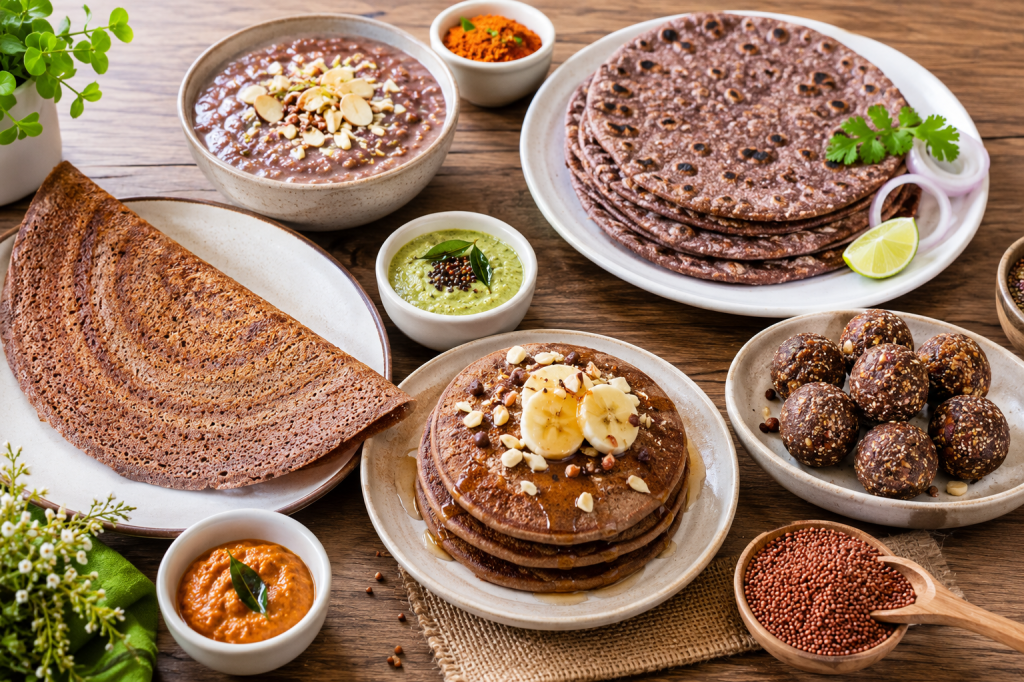
One of the best things about ragi is its versatility. Here are some easy and nutritious recipes you can enjoy.
1. Ragi Porridge
Ingredients:
● 2 tablespoons ragi flour
● 1 cup milk or water
● Jaggery or honey
● Cardamom powder
Method:
1. Mix ragi flour with a little water to avoid lumps.
2. Add the mixture to boiling milk or water.
3. Cook for 5–7 minutes while stirring.
4. Add jaggery and cardamom.
5. Serve warm.
This recipe is ideal for breakfast and provides lasting energy.
2. Ragi Dosa
Ingredients:
● 1 cup ragi flour
● ½ cup rice flour
● Curd
● Water
● Salt
Method:
1. Mix all ingredients to form a thin batter.
2. Heat a non-stick pan.
3. Pour batter and spread lightly.
4. Cook until crispy on both sides.
5. Serve with coconut chutney.
A healthy alternative to traditional dosa.
3. Ragi Roti
Ingredients:
● 1 cup ragi flour
● Warm water
● Salt
● Finely chopped onions and coriander (optional)
Method:
1. Mix ingredients to form a soft dough.
2. Roll into flat rotis.
3. Cook on a hot tawa until done.
4. Serve with vegetables, dal, or yogurt.
Perfect for lunch or dinner.
4. Ragi Banana Pancakes
Ingredients:
● 1 ripe banana
● 1 cup ragi flour
● Milk
● Cinnamon
Method:
1. Mash the banana.
2. Add ragi flour and milk to make a batter.
3. Cook small pancakes on a pan.
4. Serve with fruits and nuts.
A nutritious breakfast loved by both children and adults.
5. Ragi Energy Balls
Ingredients:
● Ragi flour
● Dates
● Nuts
● Jaggery
Method:
1. Roast the ragi flour lightly.
2. Blend dates and nuts.
3. Mix everything together.
4. Shape into small balls.
These make excellent healthy snacks and pre-workout bites.
Tips for Including Ragi in Your Diet
● Replace a portion of wheat flour with ragi flour in rotis.
● Add ragi flour to smoothies and shakes.
● Prepare ragi porridge for breakfast.
● Use ragi in muffins, cookies, and pancakes.
● Try sprouted ragi for enhanced nutrition.
● Combine ragi with vegetables for nutritious meals.
Final Thoughts

Ragi is a time-tested superfood that offers a wide range of health benefits, from stronger bones and improved digestion to better blood sugar control and sustained energy. Its rich nutrient profile and versatility make it an excellent addition to a healthy lifestyle.
Whether you enjoy it as porridge, dosa, roti, pancakes, or healthy snacks, incorporating ragi into your daily diet is a simple step toward better health. As modern nutrition continues to recognize the value of traditional foods, ragi stands out as a wholesome grain that truly deserves its superfood status.
Start adding ragi to your meals today and experience the benefits of this ancient nutritional treasure.
 Holistic Living with Dr.Deepti
Leave a comment