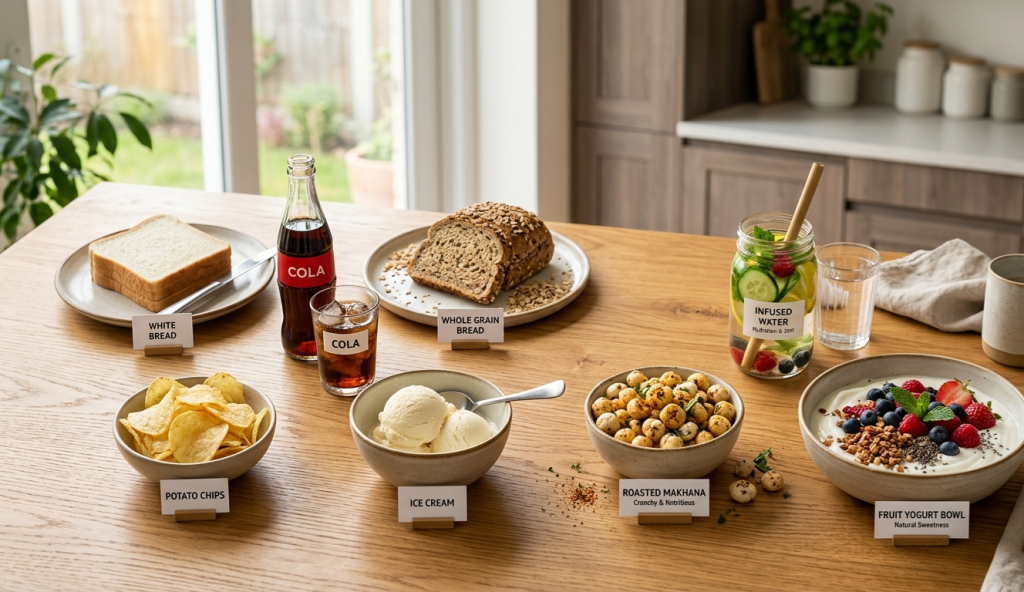
Healthy eating does not mean giving up your favorite foods or following extreme diets. The secret to long-term wellness is making smarter choices that feel realistic and sustainable. Small food swaps can improve your energy, digestion, skin health, weight management, and overall lifestyle without making you feel restricted.
Most people fail at dieting because they try to change everything overnight. But sustainable health is built through simple habits repeated consistently. Replacing highly processed foods with more nutritious alternatives is one of the easiest ways to improve your diet while still enjoying what you eat.
Here are some healthy food swaps that can transform your lifestyle without making meals boring.
1. Swap Sugary Breakfast Cereals with Oats or Muesli
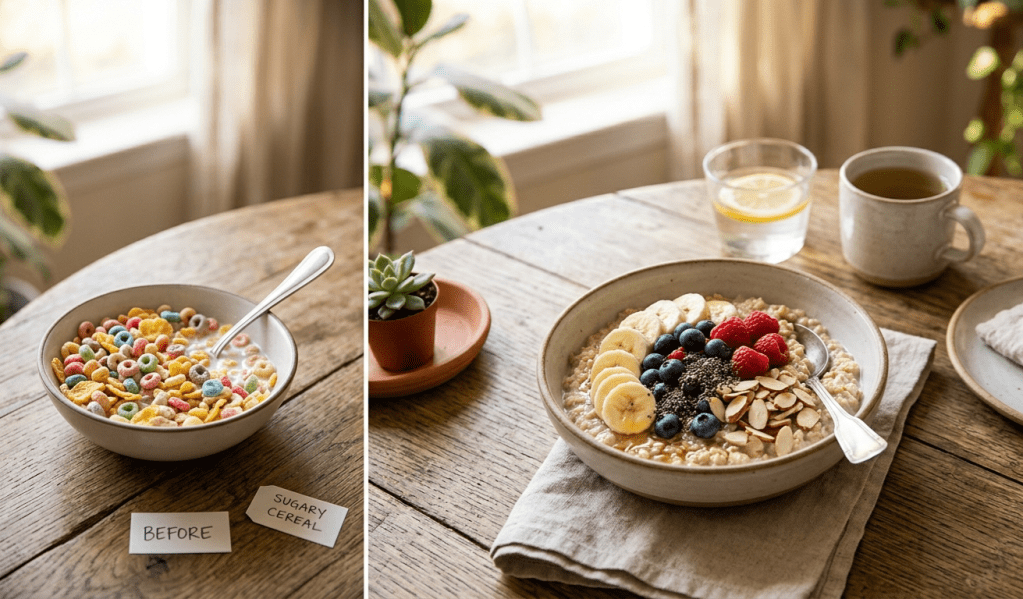
Many packaged cereals marketed as “healthy” are loaded with sugar, artificial flavors, and preservatives. They cause quick spikes in blood sugar, leading to hunger and fatigue soon after eating.
Instead, choose oats or unsweetened muesli. Oats are rich in fiber, especially beta-glucan, which supports heart health and keeps you full longer. You can add fruits, nuts, chia seeds, or cinnamon for flavor and nutrition.
This simple breakfast swap improves digestion and provides long-lasting energy throughout the day.
2. Swap Soft Drinks with Infused Water or Coconut Water

Soft drinks and packaged juices contain large amounts of sugar and empty calories. Regular consumption can contribute to weight gain, acne, insulin resistance, and energy crashes.
A healthier alternative is infused water with lemon, cucumber, mint, or berries. Coconut water is another great option because it contains natural electrolytes and hydration benefits without excessive sugar.
Making this switch helps reduce unnecessary calorie intake while improving hydration.
3. Swap White Bread with Whole Grain Bread
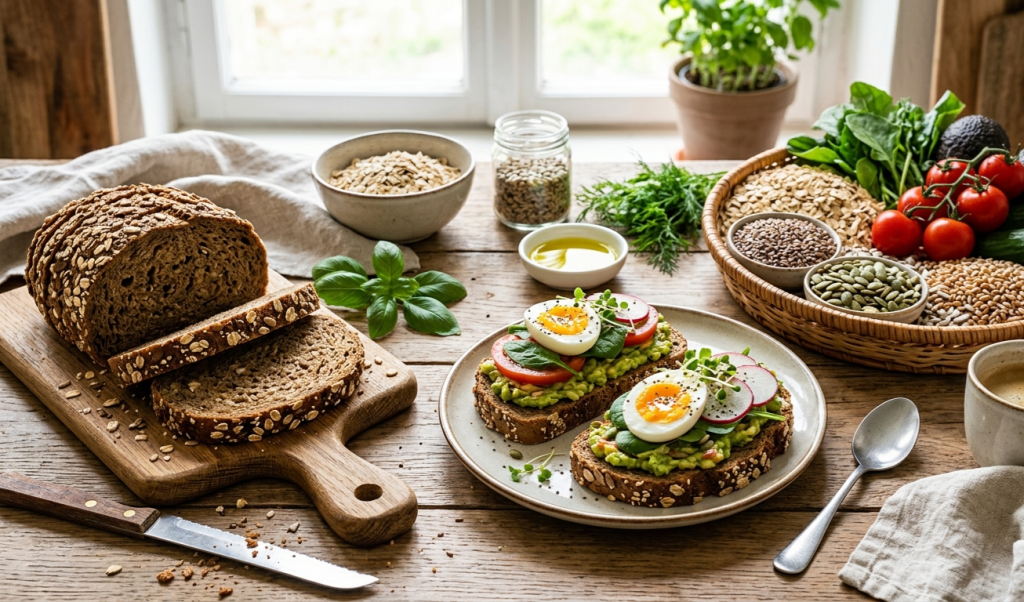
White bread is made using refined flour, which lacks fiber and nutrients. It digests quickly and may leave you feeling hungry sooner.
Whole grain bread contains more fiber, vitamins, and minerals. It supports better digestion and keeps blood sugar levels more stable. Multigrain or sourdough options can also be healthier choices if they contain genuine whole grains.
This is a simple but effective upgrade for sandwiches and breakfast meals.
4. Swap Fried Snacks with Roasted Alternatives
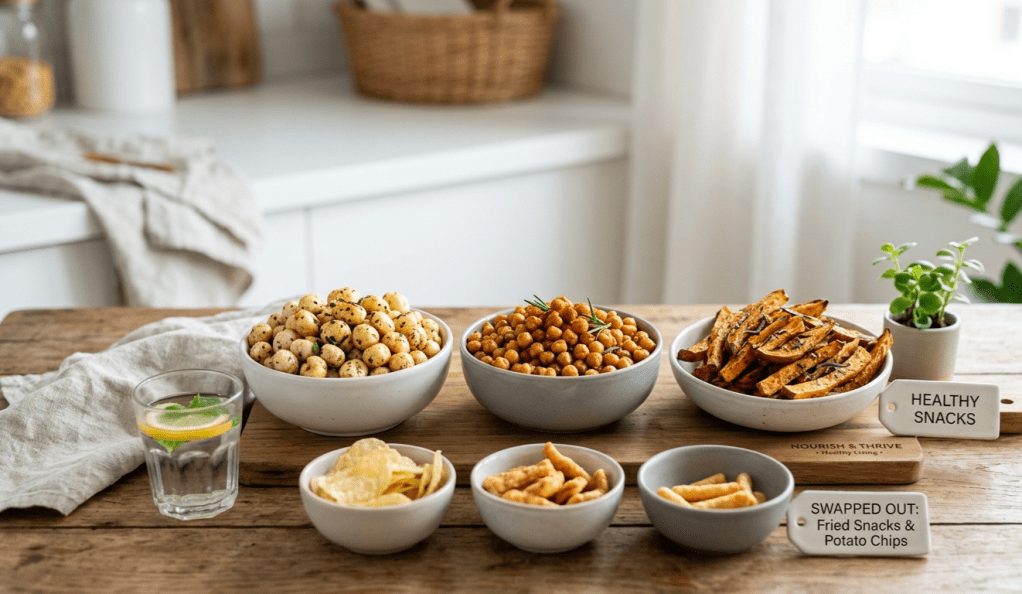
Chips, fries, and deep-fried snacks are often high in unhealthy fats, sodium, and calories. Eating them frequently may increase inflammation and affect overall health.
Instead, try roasted makhana, air-popped popcorn, roasted chickpeas, or baked sweet potato fries. These alternatives provide crunch and flavor with better nutritional value.
Healthy snacking does not mean eliminating snacks — it means choosing smarter options.
5. Swap Ice Cream with Frozen Yogurt or Fruit Bowls
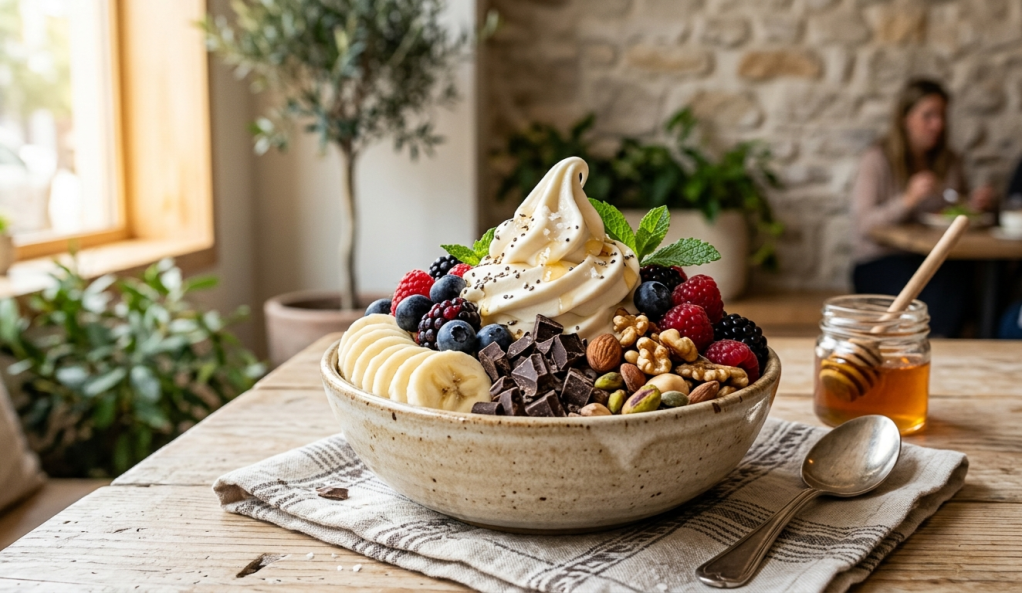
Traditional ice cream can contain excessive sugar, artificial flavors, and saturated fats.
Frozen yogurt topped with fruits, nuts, or dark chocolate is a more balanced dessert option. You can also blend frozen bananas with cocoa powder or berries for a naturally creamy treat.
This satisfies sweet cravings while adding nutrients and reducing processed sugar intake.
6. Swap Mayonnaise with Greek Yogurt
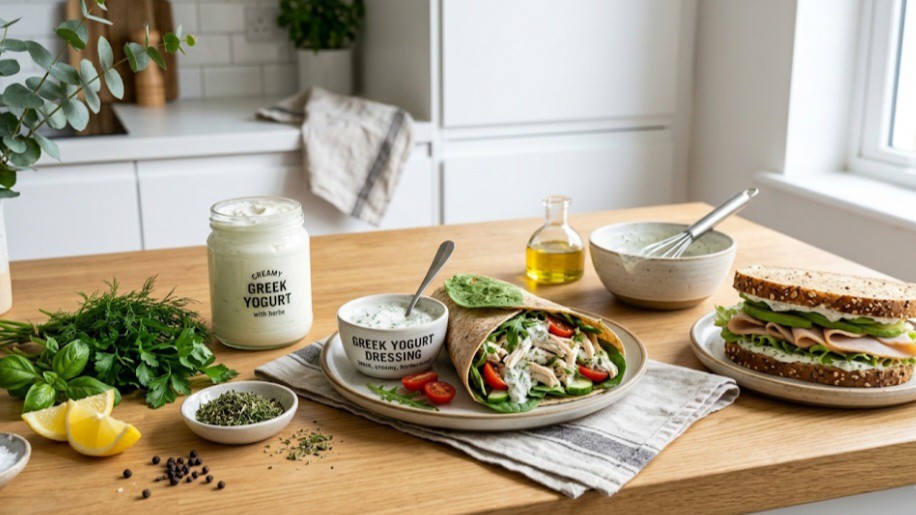
Mayonnaise is calorie-dense and often contains unhealthy oils. Greek yogurt provides a creamy texture with more protein and less fat.
You can use Greek yogurt in sandwiches, wraps, dips, or salad dressings. Adding herbs and spices makes it flavorful without extra calories.
This swap supports better gut health and keeps meals lighter.
7. Swap White Rice with Brown Rice or Millets
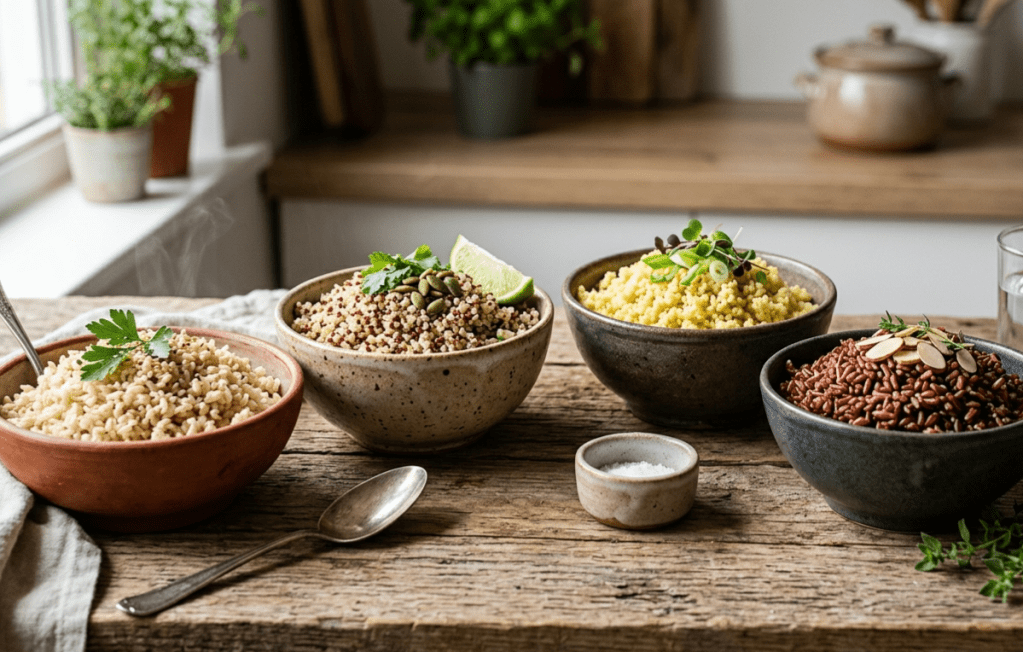
White rice is highly processed and contains less fiber compared to whole grains.
Brown rice, quinoa, millets, or red rice are more nutrient-dense options. Millets especially are gaining popularity because they are rich in minerals, fiber, and antioxidants.
These grains digest more slowly and help maintain steady energy levels.
8. Swap Milk Chocolate with Dark Chocolate
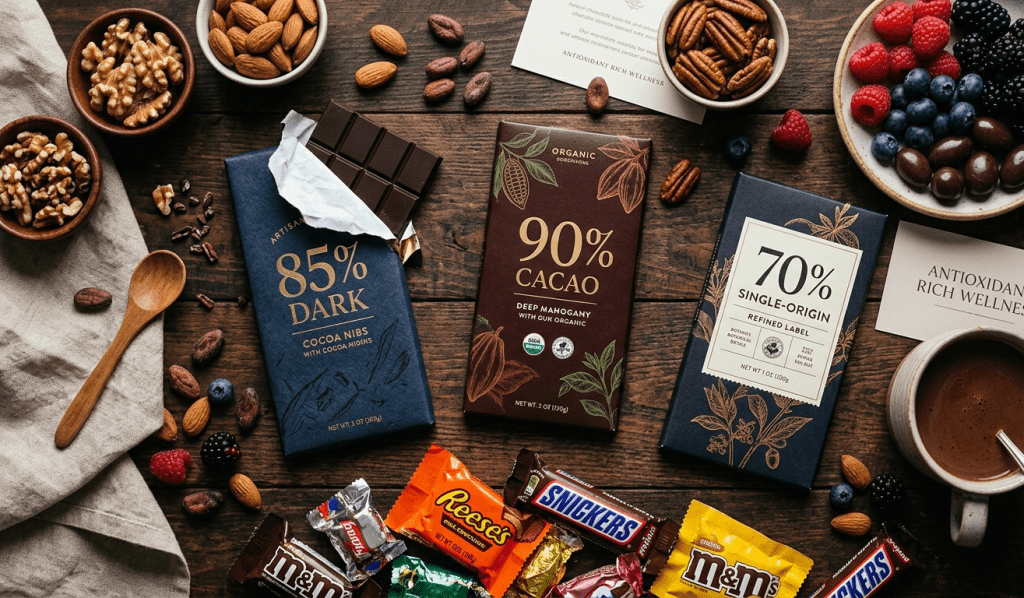
Milk chocolate often contains more sugar than cocoa. Dark chocolate with a high cocoa percentage contains antioxidants and may support heart health when consumed in moderation.
A small piece of dark chocolate can satisfy cravings while offering more nutritional benefits than heavily processed sweets.
9. Swap Creamy Coffee Drinks with Simple Coffee Choices

Flavored coffees and café beverages may contain syrups, whipped cream, and excessive sugar.
Choosing black coffee, cold brew, or coffee with limited sugar can significantly reduce calorie intake. Plant-based milk or low-fat milk are also lighter alternatives.
This swap is especially helpful for people trying to manage weight and sugar consumption.
10. Swap Instant Noodles with Homemade Noodle Bowls
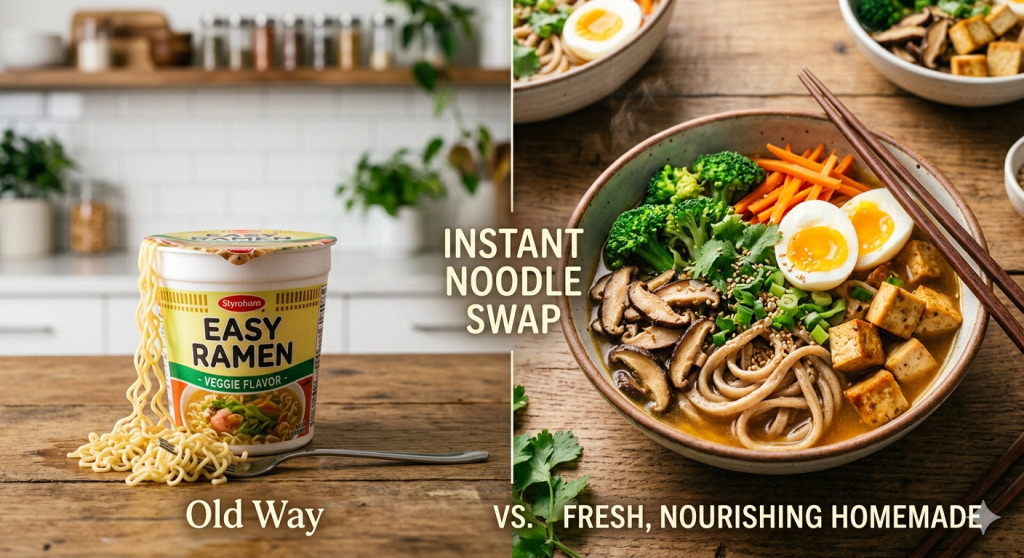
Instant noodles are high in sodium and preservatives while being low in nutrition.
Instead, prepare homemade noodle bowls using whole wheat noodles, rice noodles, or millet noodles with vegetables, eggs, tofu, or chicken. You still get comfort food but with balanced nutrition.
This makes meals more satisfying and nourishing.
Why Healthy Swaps Matter
Healthy eating is not about perfection. It is about making better choices consistently. Small changes may seem insignificant initially, but over time they create a major impact on your body and lifestyle.
These swaps can help:
● Improve digestion
● Support weight management
● Increase energy levels
● Reduce sugar cravings
● Enhance skin health
● Improve concentration and productivity
● Build sustainable eating habits
The best part is that you do not need expensive “diet foods” or restrictive meal plans. Most healthy living starts with awareness and practical daily choices.
The Key to Sustainable Nutrition
The most effective diet is the one you can follow long term. Instead of completely avoiding your favorite foods, focus on balance. If you enjoy pizza, burgers, or desserts occasionally, that is completely fine. Health is built through overall habits, not one meal.
Start with one or two swaps every week. Once they become part of your routine, add more gradually. Sustainable nutrition should feel enjoyable, flexible, and realistic.
Healthy eating is not about punishment — it is about nourishing your body while still enjoying life.
Because the goal is not temporary dieting.
The goal is building a lifestyle you can maintain for years.
 Holistic Living with Dr.Deepti
Leave a comment