Walk into any supermarket today and you’ll see shelves screaming “high protein,” “low fat,” “sugar-free,” “natural.” It feels like everything is healthy. But if that were true, lifestyle diseases wouldn’t be rising the way they are.
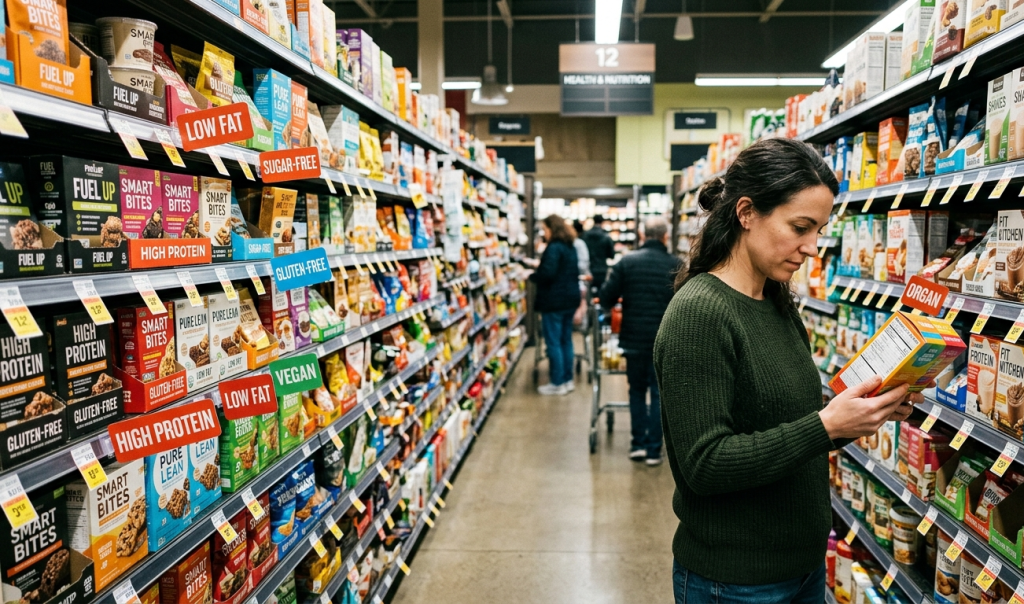
The truth is simple: most people don’t read food labels properly and brands know it.
If you truly want to take control of your health, understanding food labels is one of the most powerful skills you can build. It helps you cut through marketing noise and make decisions that actually support your body.
Let’s break it down in a practical, no-nonsense way.
1. Start With the Ingredient List (Not the Claims)
The front of the package is designed to sell you something.
The back is where the truth lives.
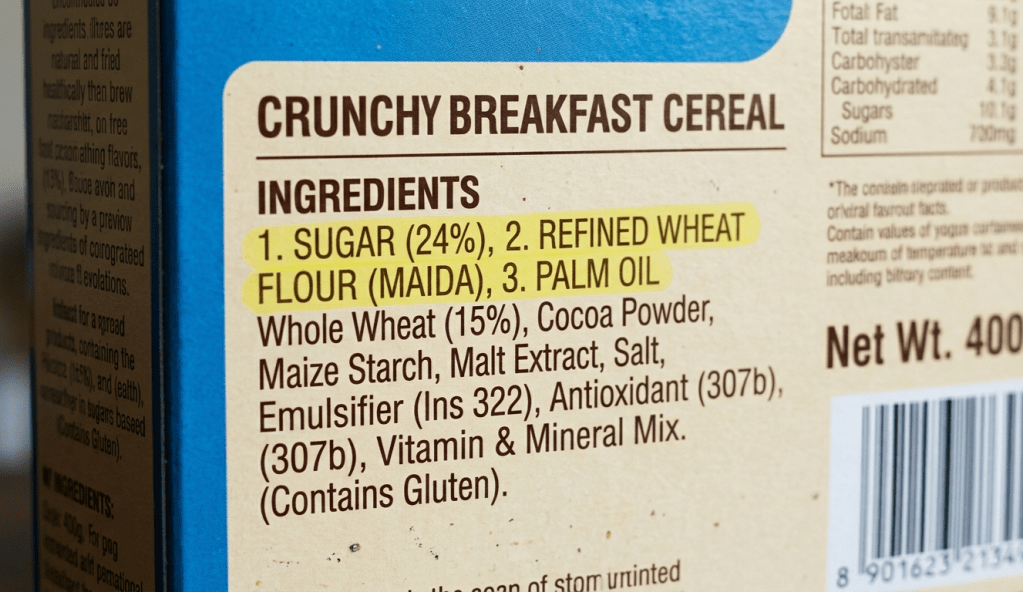
Ingredients are listed in descending order by weight. That means the first 2–3 ingredients make up the majority of the product.
What to look for:
● If sugar, refined flour (maida), or oils are in the top 3 → it’s not a healthy choice
● The shorter the ingredient list, the better
● If you can’t pronounce half the ingredients, your body probably won’t recognize them either
For example, a “high-protein” cookie may still have refined flour + sugar + palm oil as its main ingredients. The added protein becomes irrelevant in that case.
2. Don’t Get Fooled by Serving Size
This is one of the most common tricks.
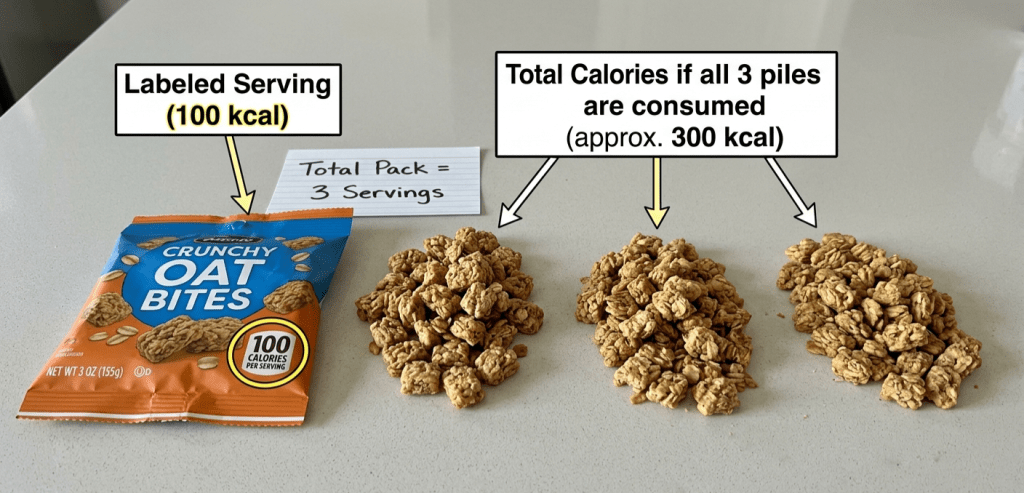
Brands often show nutrition values for a small serving size to make the numbers look better.
For instance:
● A packet may say “100 calories per serving”
● But the packet actually contains 3 servings
So if you eat the whole pack, you’re consuming 300 calories, not 100
Always check:
● Serving size
● Servings per pack
Then calculate what you actually consume.
3. Decode Sugar (It Has Many Names)
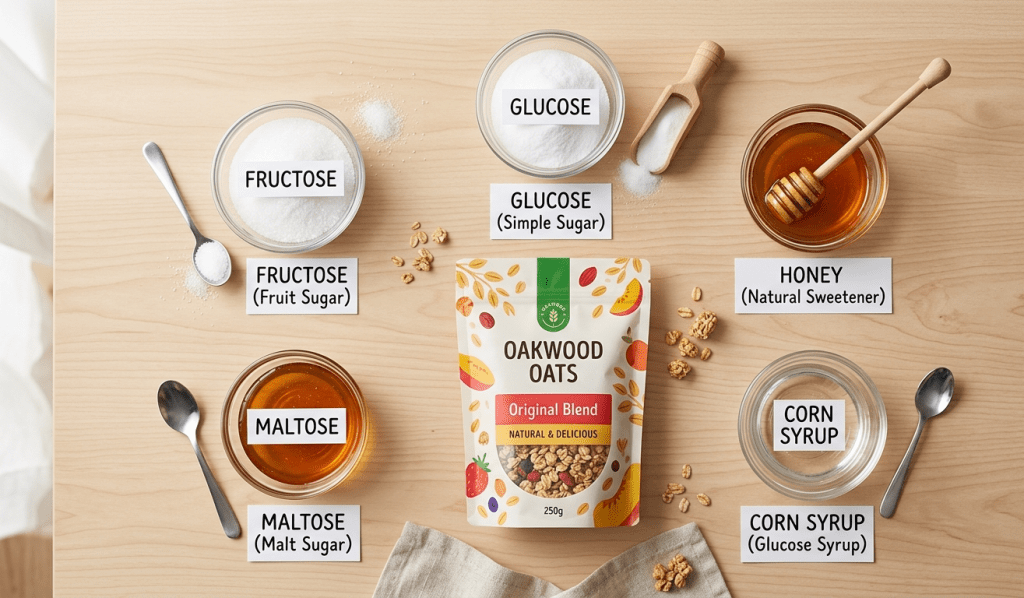
Sugar is rarely written as just “sugar.”
It can appear as:
● Glucose
● Fructose
● Maltose
● Dextrose
● Corn syrup
● Invert sugar
● Honey (yes, even this counts)
If a product has multiple types of sugar listed, it’s a red flag even if each appears in smaller amounts.
Quick tip:
If sugar (in any form) is in the first few ingredients, the product is not as healthy as it claims.
4. Protein Content: Quality Over Hype
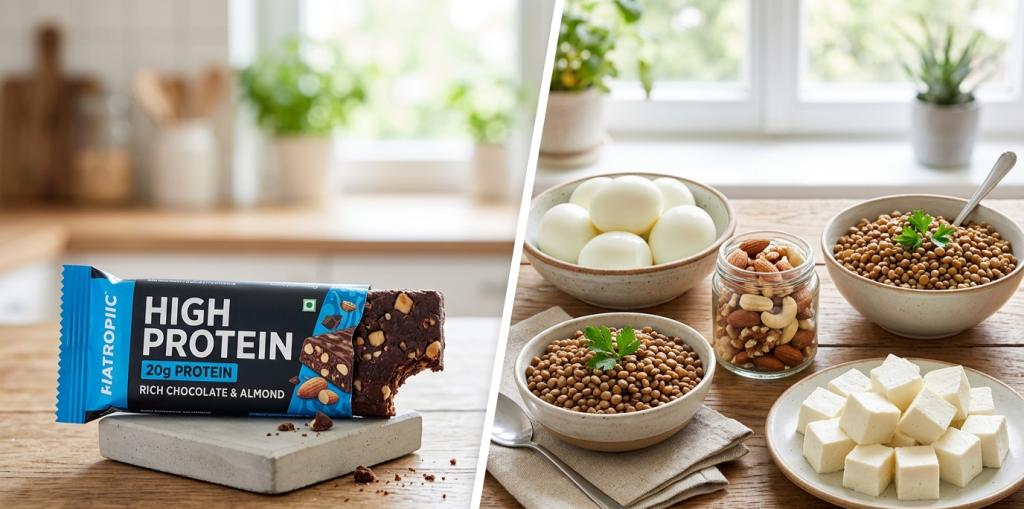
“High protein” doesn’t automatically mean healthy.
Ask yourself:
● Where is the protein coming from? (whey, soy isolate, lentils, nuts?)
● How much protein per serving? (Is it significant or just marketing?)
● What comes along with it? (sugar, additives, artificial flavors?)
A protein bar with 10g protein but 20g sugar defeats the purpose.
Focus on clean protein sources rather than processed protein claims.
5. Watch Out for Hidden Fats
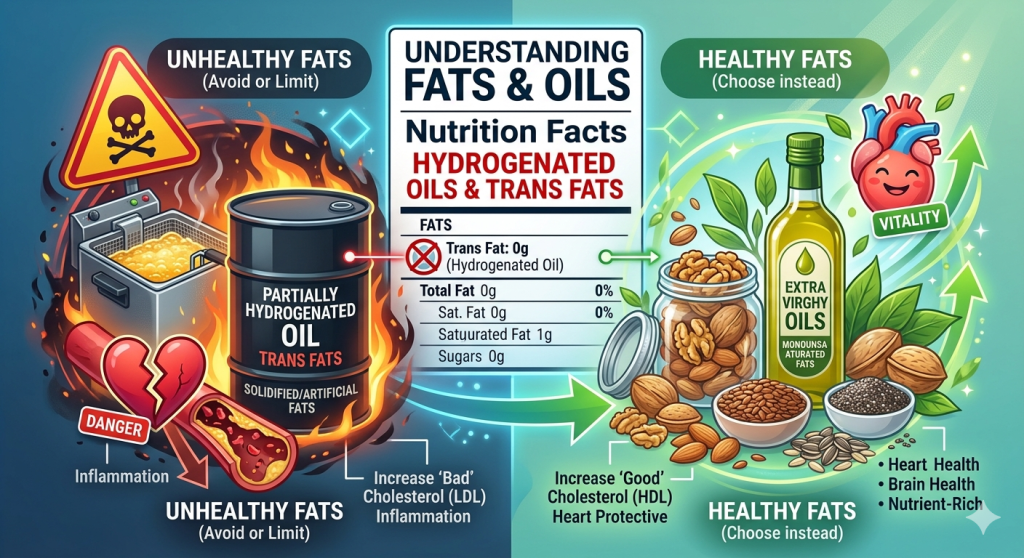
Not all fats are bad but not all are good either.
Be cautious of:
● Hydrogenated oils
● Trans fats
● Palm oil (in excess)
Even if a product says “0% trans fat,” it can legally contain small amounts per serving. Over multiple servings, it adds up.
Look for healthier fat sources like:
● Nuts
● Seeds
● Natural oils in moderation
6. Understand “Low Fat” and “Sugar-Free” Claims
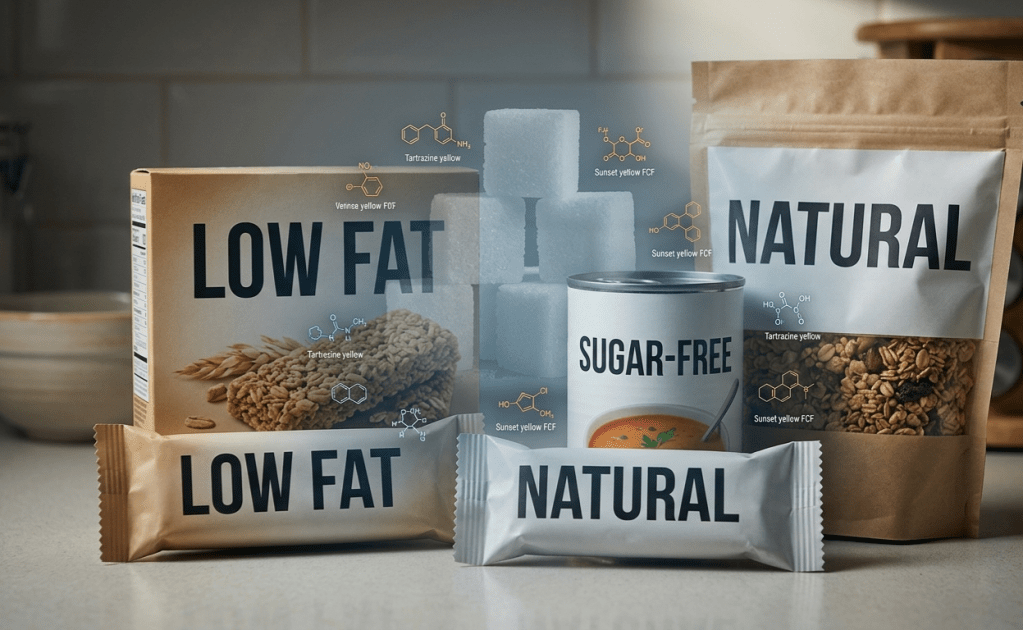
When something is labeled “low fat,” it often means one thing:
Sugar has been increased to compensate for taste
Similarly, “sugar-free” doesn’t always mean healthy. It may contain:
● Artificial sweeteners
● Sugar alcohols (which can affect digestion)
These labels are not lies—but they are not the full truth either.
7. Sodium (Salt) Matters More Than You Think
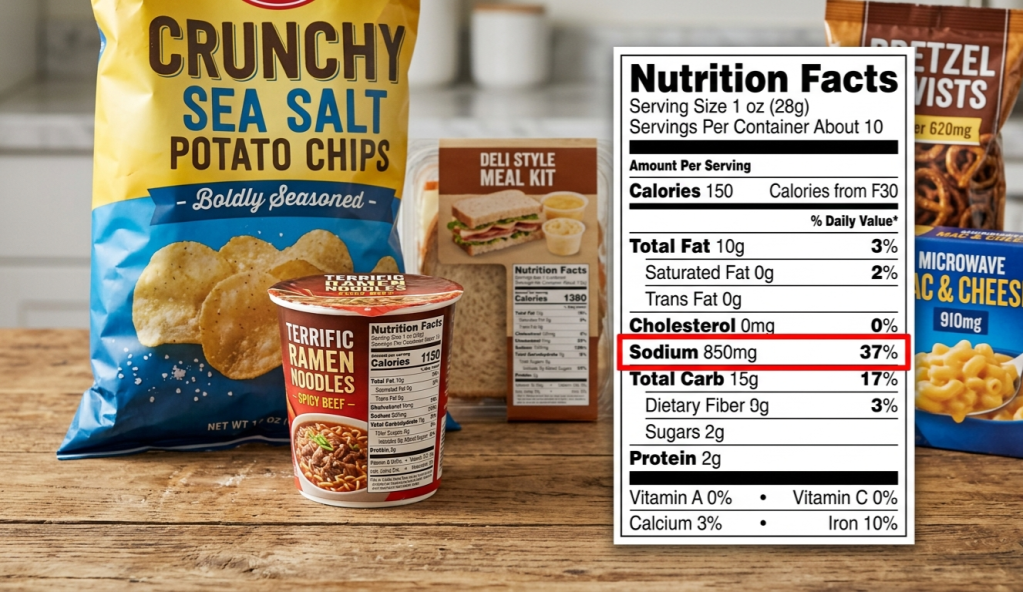
Packaged foods often contain high sodium levels to enhance flavor and shelf life.
Excess sodium can lead to:
● Water retention
● High blood pressure
● Long-term cardiovascular issues
Always check sodium content, especially in:
● Chips
● Ready-to-eat meals
● Sauces and packaged snacks
8. Certifications & Buzzwords: Read Carefully
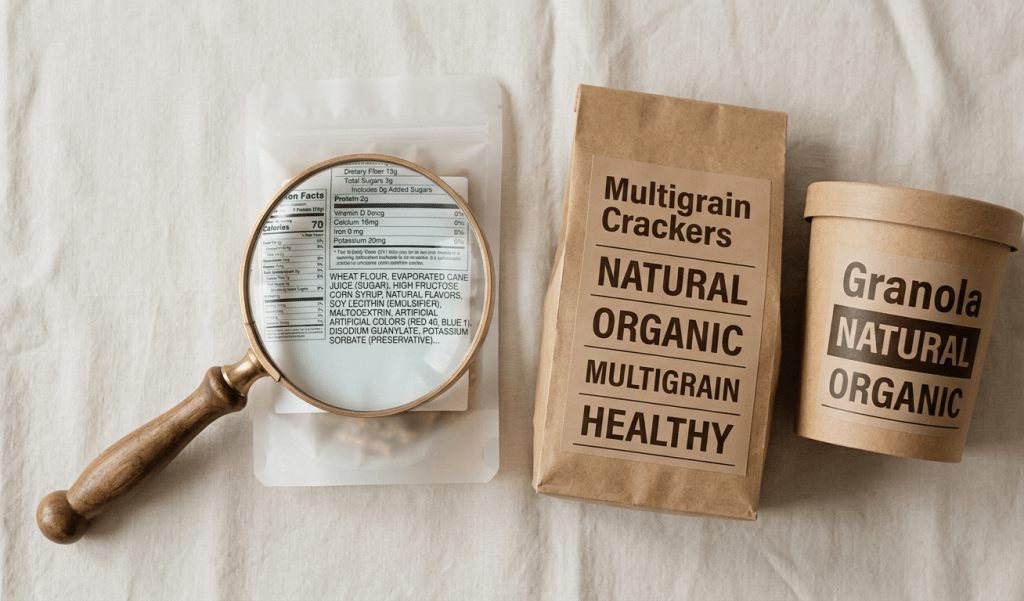
Words like:
● “Natural”
● “Organic”
● “Multigrain”
● “Healthy”
are not always regulated strictly.
For example:
● “Multigrain” doesn’t mean whole grain
● “Natural” doesn’t mean unprocessed
Instead of trusting the label, verify it with the ingredient list.
9. Less Packaging = Better Choice
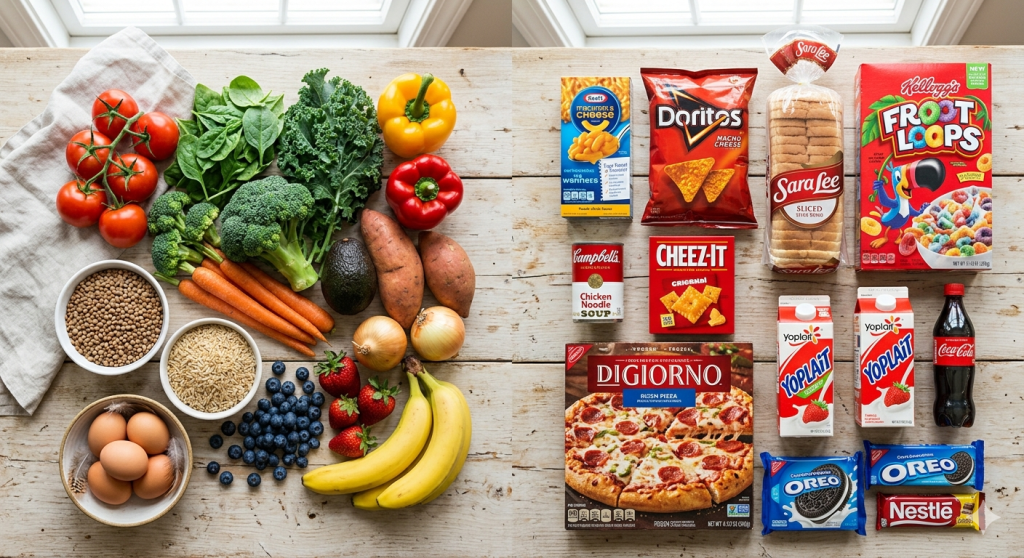
A simple rule that works almost every time:
The more packaged and processed a food is, the more carefully you should read its label.
Whole foods like:
● Fruits
● Vegetables
● Eggs
● Lentils
● Nuts
Don’t need labels and that’s exactly why they’re reliable.
Awareness Over Assumptions
Food labels are not complicated they’re just unfamiliar.
Once you start reading them consciously, you’ll realize how many “healthy” products are simply well-marketed junk.
Health is not about avoiding everything packaged.
It’s about making informed choices.
Next time you pick up a product, pause for 10 seconds:
● Check ingredients
● Check serving size
● Check what’s really inside
Because your body doesn’t care about marketing.
It responds only to what you consistently consume.
If you want to simplify your nutrition further, focus on real, whole foods and keep processed options intentional not habitual.
That’s where real change begins.
 Holistic Living with Dr.Deepti
Leave a comment