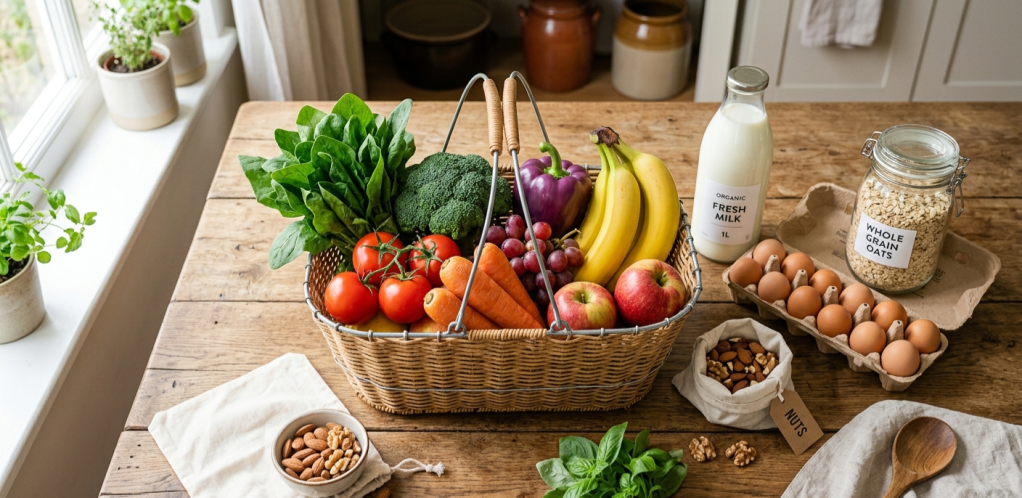
Eating healthy starts long before you cook your meals—it begins at the grocery store. The foods you choose to bring home directly influence your daily diet, energy levels, and overall health. A well-planned grocery list helps you avoid impulsive purchases, save time, and ensure your kitchen is stocked with nutritious ingredients.
Whether you’re a busy professional, student, or someone trying to improve their lifestyle, having a healthy grocery list makes meal planning easier and helps you stay consistent with your nutrition goals.
Let’s explore the ultimate grocery list for healthy eating that you can use every week.
1. Fresh Fruits
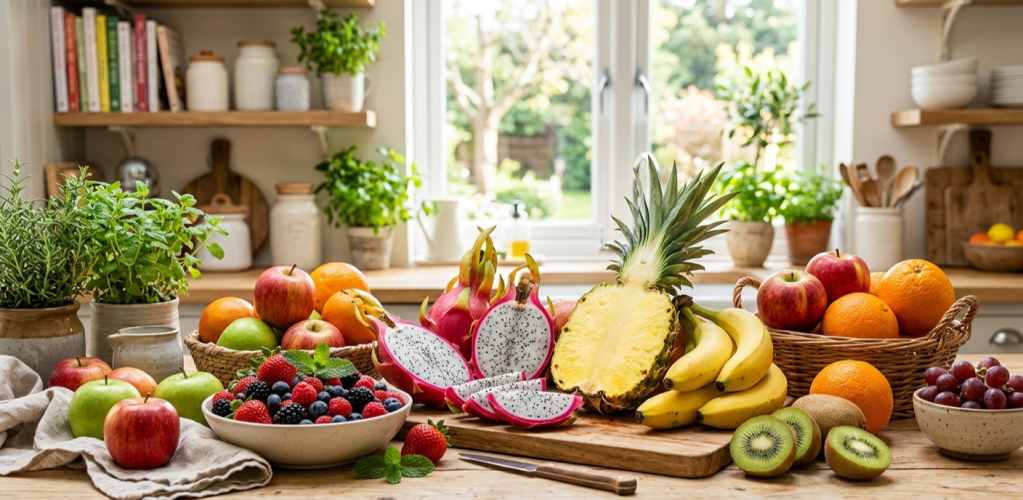
Fruits are packed with vitamins, antioxidants, fiber, and natural sugars that provide quick energy. They are perfect for snacks, smoothies, breakfasts, or desserts.
Add these fruits to your grocery list:
• Apples
• Bananas
• Oranges
• Berries (strawberries, blueberries, raspberries)
• Papaya
• Pineapple
• Dragon fruit
• Pomegranate
• Mango (seasonal)
• Kiwi
Tip: Choose seasonal fruits whenever possible—they are fresher, more nutritious, and often more affordable.
You can eat fruits as mid-morning snacks, add them to yogurt, or blend them into smoothies.
2. Vegetables
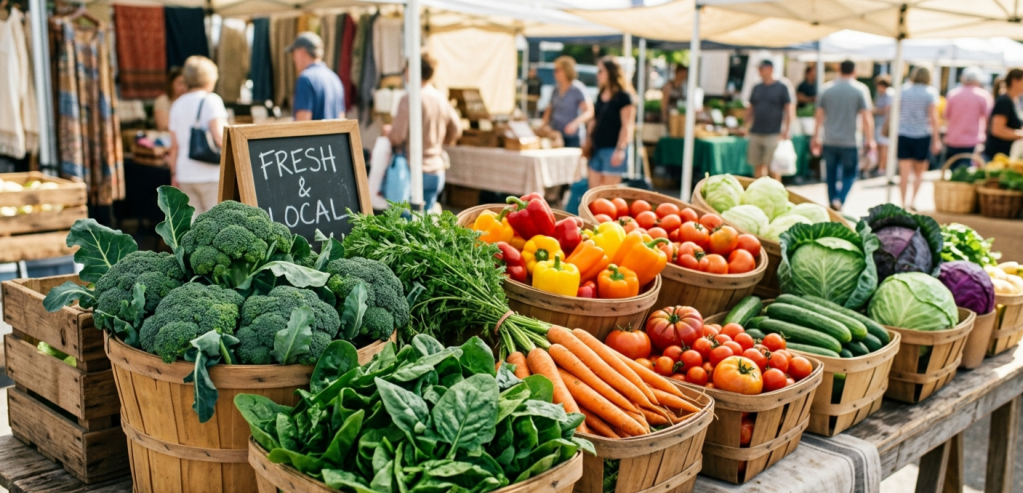
Vegetables are the foundation of a healthy diet. They are low in calories but rich in fiber, vitamins, and minerals.
Try to include a variety of colors in your grocery cart to ensure a wide range of nutrients.
Healthy vegetables to buy:
Leafy greens
• Spinach
• Lettuce
• Kale
• Fenugreek leaves (methi)
Cruciferous vegetables
• Broccoli
• Cauliflower
• Cabbage
Other nutritious vegetables
• Carrots
• Tomatoes
• Cucumbers
• Bell peppers
• Zucchini
• Pumpkin
• Sweet potatoes
Tip: Keep frozen vegetables as backup options. They are convenient and retain most nutrients.
3. Whole Grains
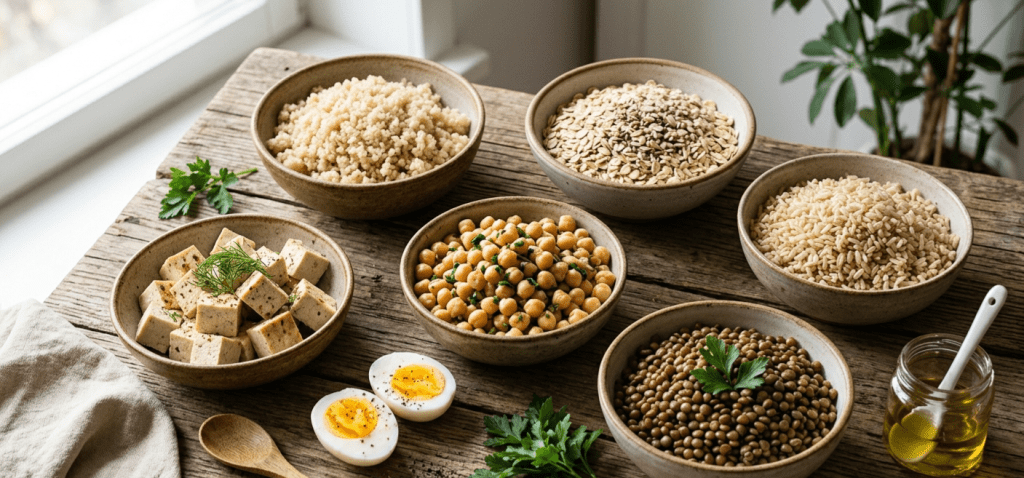
Whole grains provide complex carbohydrates, fiber, and sustained energy. Unlike refined grains, they help maintain stable blood sugar levels and keep you full longer.
Add these whole grains to your list:
• Brown rice
• Quinoa
• Oats
• Whole wheat flour (atta)
• Whole wheat bread
• Barley
• Millets (ragi, bajra, jowar)
These grains can be used for breakfast bowls, lunch meals, or healthy dinners.
For example:
• Oats for breakfast
• Brown rice or quinoa for lunch
• Millet roti for dinner
4. Protein Sources
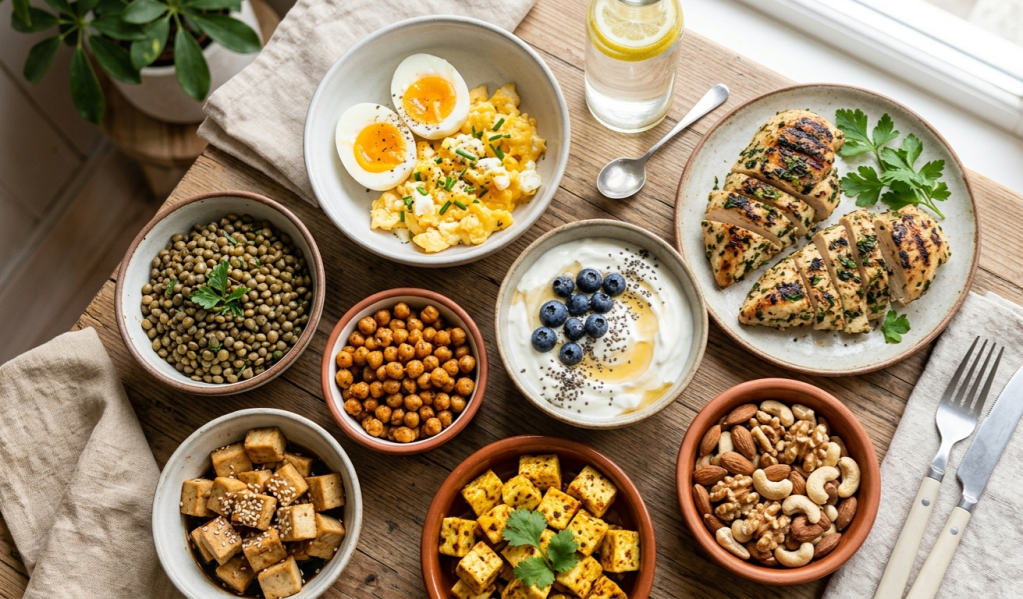
Protein is essential for muscle repair, metabolism, and overall body function. Including protein in every meal helps maintain energy levels and supports weight management.
Healthy protein options include:
Plant-based proteins
• Lentils (dal)
• Chickpeas
• Kidney beans
• Black beans
• Tofu
• Tempeh
Animal-based proteins
• Eggs
• Chicken breast
• Fish
• Greek yogurt
• Paneer
If you are aiming for a balanced diet, try to include protein in breakfast, lunch, and dinner.
For example:
• Eggs or Greek yogurt for breakfast
• Dal or chicken for lunch
• Paneer or tofu for dinner
5. Healthy Fats
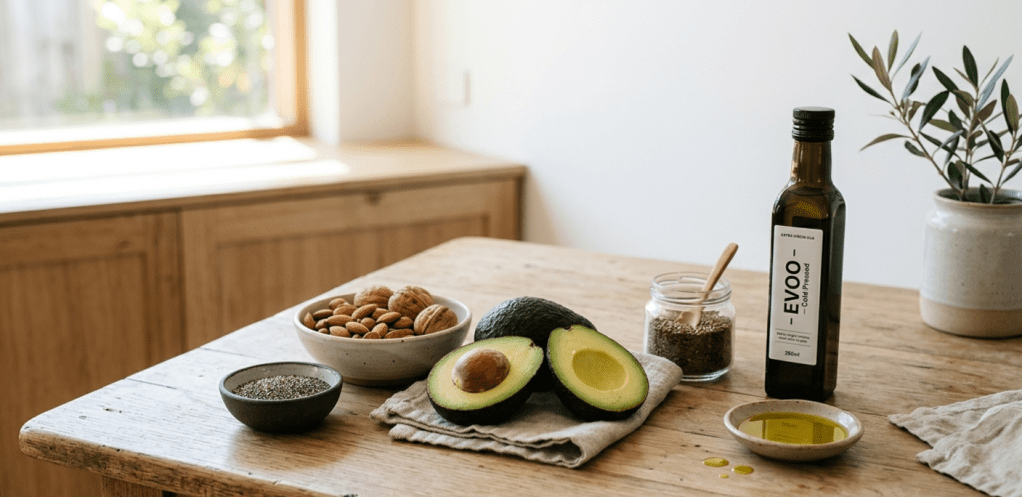
Healthy fats are important for brain function, hormone balance, and heart health. Many people avoid fats, but the right types of fats are essential for your body.
Add these healthy fats to your grocery list:
• Avocados
• Almonds
• Walnuts
• Pistachios
• Chia seeds
• Flaxseeds
• Pumpkin seeds
Cooking oils to consider:
• Olive oil
• Coconut oil
• Mustard oil
A small handful of nuts daily can be a great snack and provides healthy fats and protein.
6. Dairy and Dairy Alternatives
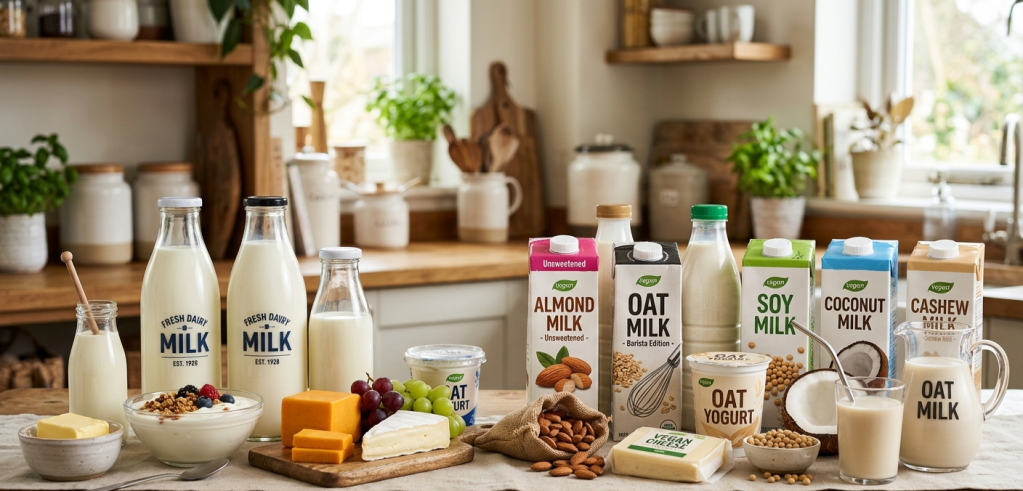
Dairy products are good sources of calcium, protein, and vitamin D.
Healthy options include:
• Milk
• Greek yogurt
• Paneer
• Cheese (in moderation)
If you prefer plant-based alternatives, you can choose:
• Almond milk
• Soy milk
• Oat milk
These can be used in smoothies, cereals, coffee, or cooking.
7. Healthy Snacks
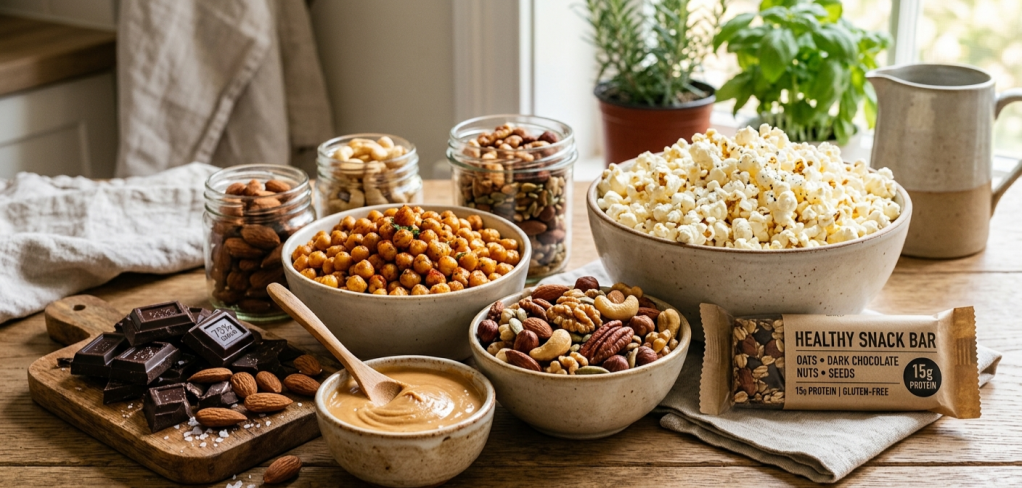
Having healthy snacks at home helps you avoid processed junk foods when hunger strikes.
Add these snacks to your grocery list:
• Roasted chickpeas
• Mixed nuts
• Peanut butter
• Dark chocolate (70% cocoa)
• Popcorn (plain)
• Protein bars
You can also prepare simple snacks at home like yogurt with fruits, peanut butter toast, or smoothies.
8. Herbs, Spices, and Flavor Enhancers
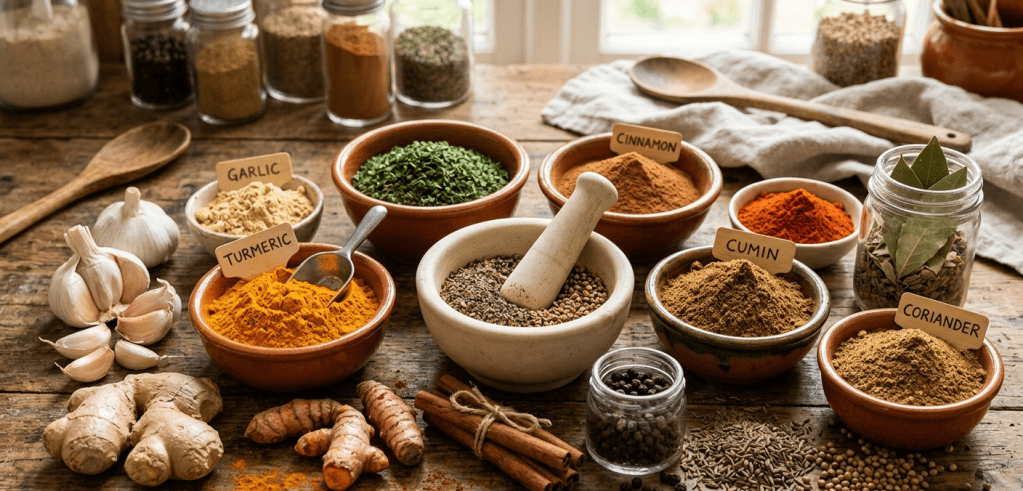
Healthy eating does not mean boring food. Herbs and spices add flavor while providing health benefits.
Stock your kitchen with:
• Garlic
• Ginger
• Turmeric
• Cinnamon
• Black pepper
• Cumin
• Coriander powder
Fresh herbs like coriander, mint, and basil can enhance the taste of salads, soups, and meals.
9. Hydration Essentials

Staying hydrated is a key part of healthy living. Besides water, you can include:
• Green tea
• Herbal teas
• Coconut water
• Lemon
Avoid sugary drinks and excessive packaged juices.
Final Thoughts
Healthy eating doesn’t have to be complicated. The key is to keep your kitchen stocked with whole, nutrient-dense foods that support your body and lifestyle.
By following this ultimate grocery list, you can create balanced meals that include fruits, vegetables, whole grains, protein, and healthy fats. Planning your groceries ahead of time not only saves money but also helps you stay committed to your health goals.
Start small—pick a few healthy items from each category and gradually build a grocery routine that works for you. Over time, these small choices will lead to better nutrition, improved energy levels, and a healthier lifestyle.
 Holistic Living with Dr.Deepti
Leave a comment