
Do you often feel hungry even after eating a proper meal? Many people struggle with constant hunger and frequent cravings throughout the day. It can feel frustrating, especially when you are trying to stay healthy or manage your weight. The good news is that constant hunger is usually not about “lack of willpower.” Instead, it is often linked to your eating habits, lifestyle, sleep, and even stress levels.
Understanding why you feel hungry all the time can help you take simple steps to control cravings and nourish your body in a balanced way.

1. You Are Not Eating Enough Protein
One of the biggest reasons people feel hungry soon after meals is low protein intake. Protein helps you feel full for longer because it slows digestion and reduces hunger hormones.

If your meal mainly contains refined carbohydrates like white bread, biscuits, or sugary foods, your blood sugar rises quickly and then drops, making you feel hungry again.
Healthy Tip:
Include a protein source in every meal. Examples include:
• Eggs
• Greek yogurt
• Lentils and beans
• Paneer or tofu
• Nuts and seeds
Adding protein can significantly reduce unnecessary snacking.
2. You Are Dehydrated

Sometimes your body confuses thirst with hunger. When you are dehydrated, your brain may signal hunger instead of thirst.
Many people immediately reach for snacks when they actually need water.
Healthy Tip:
Drink a glass of water before eating snacks. Aim for 2–3 liters of water daily depending on your activity level and weather conditions.
You may notice that your cravings reduce simply by staying hydrated.
3. You Are Eating Too Many Refined Carbohydrates
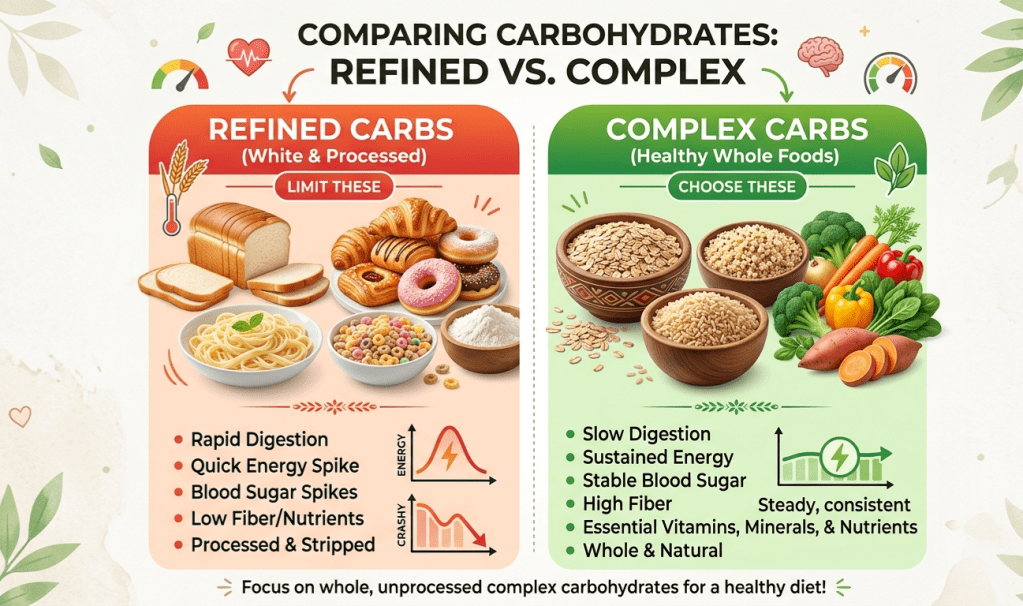
Refined carbohydrates like white bread, pastries, sugary drinks, and processed snacks digest very quickly. This leads to rapid spikes and crashes in blood sugar levels.
These blood sugar crashes trigger hunger and cravings again within a short time.
Healthy Tip:
Replace refined carbs with complex carbohydrates such as:
• Oats
• Brown rice
• Quinoa
• Whole wheat
• Fruits and vegetables
These foods release energy slowly and keep you fuller longer.
4. Lack of Sleep Increases Hunger Hormones

Poor sleep can disrupt hormones that regulate appetite. When you don’t get enough sleep, the hormone ghrelin (which stimulates hunger) increases, while leptin (which signals fullness) decreases.
As a result, you feel hungrier and tend to crave high-calorie foods.
Healthy Tip:
Aim for 7–8 hours of quality sleep every night. Establish a relaxing nighttime routine and avoid screens before bed.
Good sleep can naturally regulate hunger and reduce cravings.
5. Stress and Emotional Eating

Stress can trigger emotional eating. When you are anxious or overwhelmed, your body releases cortisol, a hormone that can increase appetite and cravings for sugary or fatty foods.
Many people eat not because they are physically hungry but because they are emotionally stressed.
Healthy Tip:
Find healthier ways to manage stress, such as:
• Deep breathing
• Meditation
• Walking in nature
• Journaling
• Exercise
Managing stress can help reduce unnecessary cravings.
6. Eating Too Fast

If you eat very quickly, your brain does not get enough time to register fullness. It usually takes about 20 minutes for your brain to receive signals that your stomach is full.
Eating too fast can lead to overeating and feeling hungry again soon.
Healthy Tip:
Practice mindful eating:
• Chew food slowly
• Put your spoon down between bites
• Avoid eating while scrolling your phone or watching TV
Mindful eating helps your body recognize fullness naturally.
7. Your Meals Lack Fiber
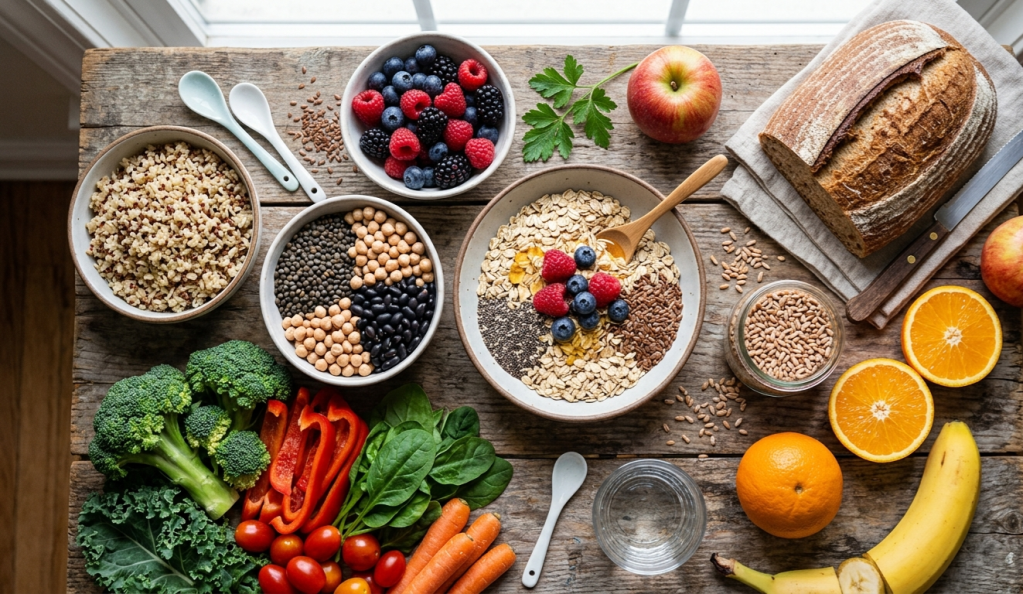
Fiber is essential for digestion and fullness. Foods rich in fiber slow down digestion and help you stay satisfied longer.
Low-fiber meals digest quickly, which can make you feel hungry soon after eating.
Healthy Tip:
Include fiber-rich foods in your diet such as:
• Vegetables
• Fruits
• Whole grains
• Chia seeds
• Flax seeds
• Legumes
Fiber also supports gut health and overall wellness.
Final Thoughts
Feeling hungry all the time does not necessarily mean your body needs more food. Often, it means your body needs better nutrition, hydration, sleep, and stress balance.
By making small lifestyle changes—such as eating balanced meals with protein and fiber, drinking enough water, sleeping well, and managing stress—you can naturally reduce cravings and maintain steady energy throughout the day.
Remember, healthy eating is not about restriction. It is about understanding what your body truly needs and nourishing it in a mindful way.
 Holistic Living with Dr.Deepti
Leave a comment